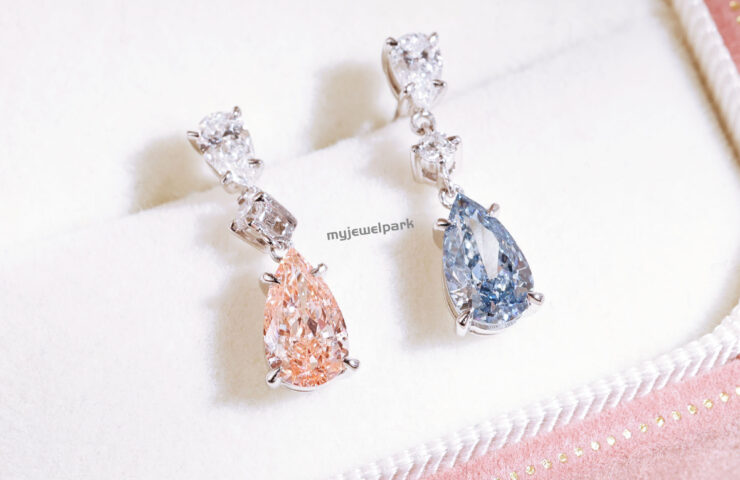
Lab-grown diamonds are a little difficult to identify because they have nearly identical physical and chemical properties to natural diamonds. However, there are several ways to help you differentiate between the two and ensure you make an informed purchase.

1. Certification and documentation:
The most straightforward way to identify a lab-grown diamond is to check for certification. Reputable gemological labs, such as the Gemological Institute of America (GIA) or the International Gemological Institute (IGI), provide detailed reports for each diamond they evaluate. Lab-grown diamonds will often be noted on their certificates, noting terms such as “lab-grown diamond” or “synthetic diamond.” Be sure to request this documentation before purchasing.
2. Observe internal features:
While lab-grown diamonds are nearly indistinguishable from natural diamonds to the naked eye, their internal features may differ under magnification. While natural diamonds often contain natural inclusions, such as mineral crystals or feathers, lab-grown diamonds may exhibit unique growth patterns or features related to their production methods. Professionals can use a jeweler’s loupe or microscope to look for these differences.

3. Price comparison: Lab-grown diamonds are generally less expensive than natural diamonds—often 20-40% cheaper. If you come across a diamond that seems particularly underpriced due to its characteristics, it is likely a lab-grown diamond. Knowing the market price can provide more context when evaluating your options.
4. By an Expert: If you are still unsure, consider taking the diamond to a certified gemologist for further analysis. Professionals equipped with advanced equipment can accurately identify whether a diamond is lab-grown or natural. They can perform tests such as photoluminescence, which measures how a diamond reacts to different wavelengths of light.
5. Education and Awareness:
Finally, learn about diamonds and the difference between natural and Cultured Diamonds. Understanding the terminology and characteristics can enhance your decision-making process. Websites, books, and jewelry courses can provide valuable insights.