Why Are Some Jewelers Still Refusing to Sell Lab-Grown Gems?
Despite the growing market for these artificially grown gemstones, some jewelers remain hesitant. Why do certain jewelers still refuse to sell lab-grown gemstones, even though they offer many advantages over traditional mined gemstones?
This article will explore the reasons behind this resistance and how lab-grown gems are continuing to change the landscape of the jewelry industry.
1. The Tradition of Natural Stones and Luxury
For centuries, natural gemstones like diamonds, rubies, and emeralds have been synonymous with luxury, status, and timeless beauty. These gems are often considered unique, rare, and more valuable because they come from the earth itself. The prestige associated with mined gemstones remains ingrained in many jewelers’ traditions, making them reluctant to embrace a man-made alternative.
A key point in this resistance is that lab-grown gemstones all lack the “history” and “natural charm” of their earth-mined counterparts. Although lab-grown gemstones are chemically identical to natural gemstones. They are often considered to lack the “ineffable charm” that some customers find in real gemstones.
One user on the r/jewelry subreddit shared, “I get the appeal of lab-grown stones, but for me, it’s all about the story behind the gem. A diamond that’s formed in nature just feels more meaningful.”

2. Quality Concerns and Misunderstanding
While many manufacturers have made great strides in replicating the quality of natural gemstones. Some jewelers remain skeptical about the quality of lab-grown gemstones. It is still widely believed that man-made gemstones cannot match the clarity, color, and beauty of natural gemstones.
However, scientific advancements have allowed lab-grown gemstones to mirror the same inclusions, growth lines, and even milky bodies found in natural stones. This means lab-grown emeralds, for example, can have the same characteristics as their mined cousins, making them nearly indistinguishable.
Quora Insight: One Quora user commented, “I was surprised when I saw a lab-grown emerald that looked identical to a natural one. They’ve really nailed the inclusions and clarity issues.”
Despite these advances, many jewelers still consider lab-grown gemstones to be “inferior.” Because they don’t understand the technology behind it. Nor are they aware of the fact that they can be created with the same quality and properties as natural gemstones.
3. Economic Factors: Profit Margins and Market Impact
Selling natural gemstones often comes with higher profit margins due to their rarity and demand. For jewelers who have built their businesses around mined stones, incorporating lab-grown gems could cut into these profits. Lab-grown stones are produced in controlled environments and are more abundant, meaning they can be sold at a much lower price.
As the prices for lab-grown gems decrease, jewelers who rely on the exclusivity of natural stones might fear losing out financially. Some may even worry that embracing lab-grown gemstones could undermine their brand or damage their reputation as high-end sellers.
Reddit Insight: A user in r/Gemstones said, “I love lab-grown gems, but for a jeweler, I can see why they wouldn’t want to sell them. You make way more money off of a natural diamond than a lab-grown one.”
4. Perceived Lack of Authenticity

Another challenge is the perception that lab-grown gems are somehow less “authentic” than natural ones. Even though lab-grown gems are chemically and physically identical to their mined counterparts, the idea of something being “made in a lab” can make it seem less genuine to some customers.
The fact that these gems are produced using human-controlled processes rather than formed deep within the earth over millions of years can lead to questions about their value. This perception is especially prevalent in cultures that view natural gemstones as rare treasures that should be cherished.
Reddit Insight: A comment on r/Jewelry stated, “I just feel like if it’s grown in a lab, it’s not as real as one from the earth. That’s a part of the allure for me.”
While it’s clear that lab-grown gems are becoming more accepted, the idea that they lack authenticity is still an obstacle that many jewelers are unwilling to overlook.
5. Ethical Concerns and Fear of Oversaturation
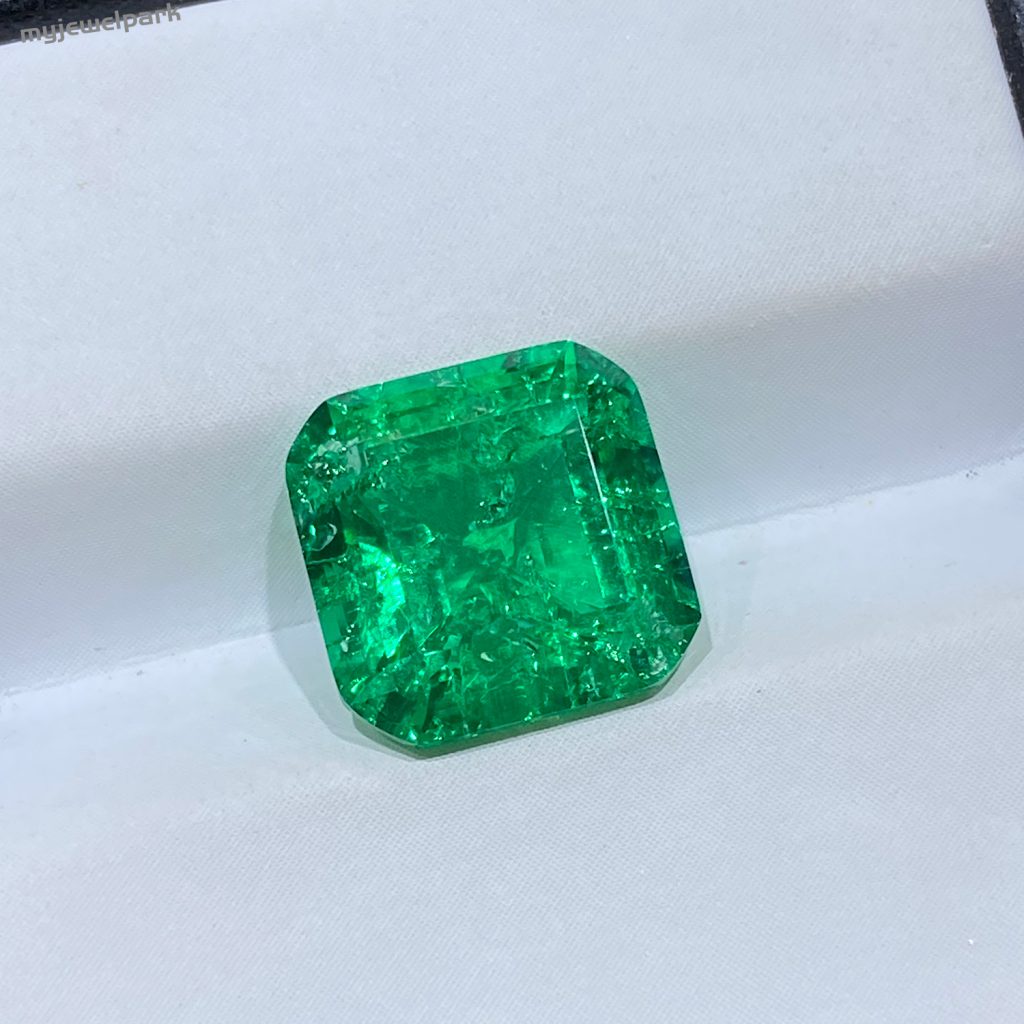
Interestingly, some jewelers resist lab-grown gems for ethical reasons. Despite the obvious environmental benefits of lab-grown stones (e.g., no mining), some industry veterans worry that the shift could lead to market oversaturation, devaluing the gemstones they’ve spent years selling. There’s also a concern that lab-grown stones might make consumers complacent about ethical sourcing in the mining industry.
A lab-grown emerald, for example, has a clear, positive environmental impact, but some jewelers fear that by focusing too much on the benefits of cultured gemstones, the importance of responsibly sourced natural stones will be overlooked.
Quora Insight: One Quora user mentioned, “I think lab-grown gems are great, but I don’t want people to forget about the issues with mining and ethical sourcing. There has to be balance.”
Is the Resistance to Lab-Grown Gems Fading?
While some jewelers are still hesitant to embrace lab-grown gemstones. But it’s undeniable that they are becoming an increasingly important part of the jewelry market. As technological advances continue to improve the quality of man-made gemstones, the lines between lab-grown and natural gemstones continue to blur. Additionally, as consumer demand for sustainable, ethical jewelry continues to grow. Jewelers may find that offering lab-grown options is no longer just a trend, but a necessary evolution.
The lab-grown gemstone market is still maturing, and only time will tell how quickly traditional jewelers adapt. As more and more customers accept these man-made gemstones, the backlash will likely continue to subside. Lab-grown gemstones may just be the future of the jewelry industry. After all, they offer the same beauty and quality without the environmental and ethical issues associated with mining.
About Us
China Luster is one of the largest lab-grown gemstone and gold and silver jewelry manufacturers in Wuzhou. Integrating design, production and sales since 1997, exporting to all over the world. Focusing on hand-cutting and grinding, with more than 27 years of manufacturing experience. We sell high-quality lab-grown gemstones and diamonds. Customized and inlaid by masters with more than 20 years of experience in fine cutting of natural gemstones. They are relatively cheaper than natural ones, and their physical and chemical properties are exactly the same as natural ones, except that natural ones lack a little historical value. All products are discounted during the promotion period 👉