

What Is the Difference Between Flux and Hydrothermal Emeralds?
If you’re shopping for a lab – grown emerald or just curious about how scientists create these stones, you’ve likely come across two common terms: flux – grown and hydrothermal emeralds. Scientists create both as real emeralds in a lab, but the methods they use to create them vary, and this variation affects their appearance, structure, and price.
How Are They Made?
Hydrothermal emeralds are grown by replicating the natural conditions in which emeralds form deep underground. Using high pressure, high temperature, and a water-based chemical solution, crystals slowly grow inside a sealed chamber over several weeks. This method creates emeralds with growth patterns, inclusions, and even a soft milky body tone similar to high-end natural emeralds from Colombia.
We make flux – grown emeralds differently. Here, we use a chemical flux, a molten material that acts like a solvent, to dissolve raw elements such as beryllium and chromium. As the solution cools, emerald crystals slowly begin to form. The process is slower and more delicate, which often results in cleaner stones with fewer inclusions.
Appearance and Characteristics
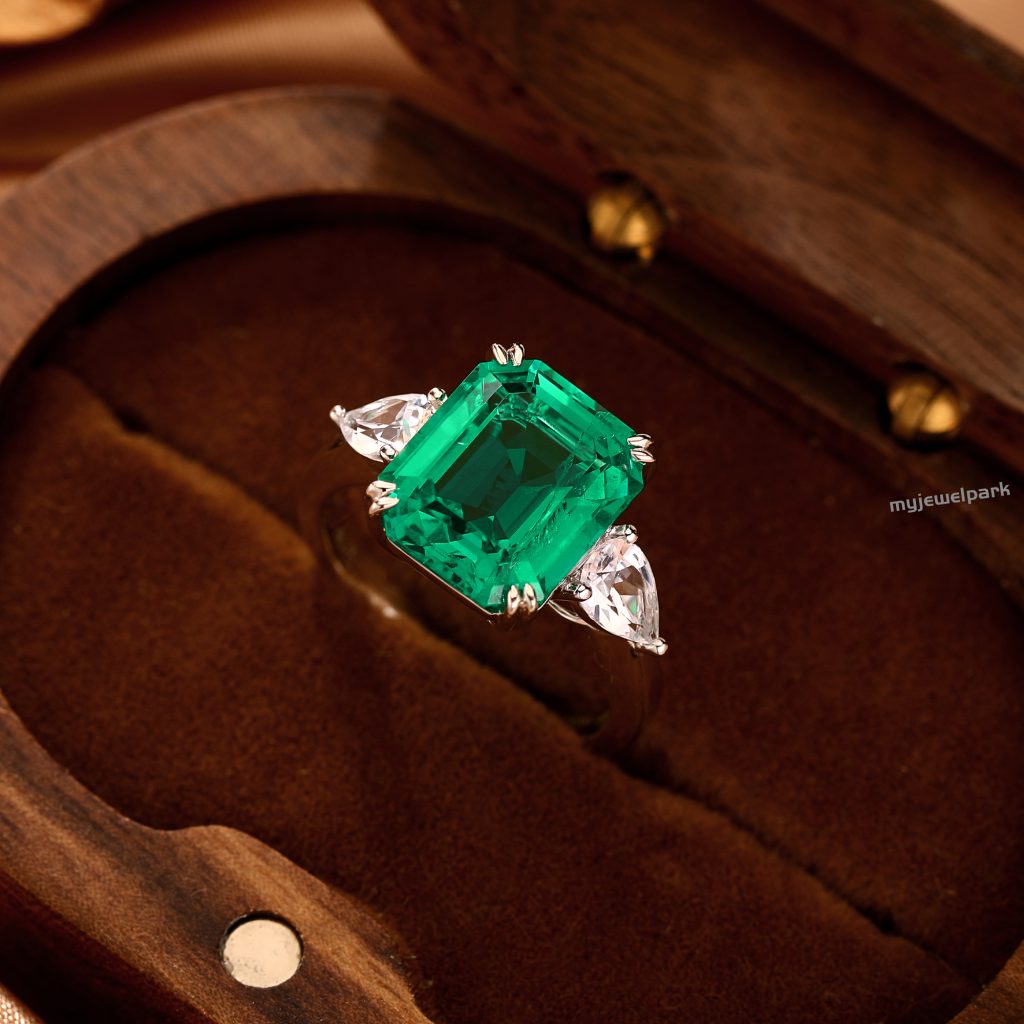
While both methods produce high-quality stones, there are subtle differences:
Flux emeralds usually have fewer inclusions and may appear clearer. Some buyers find them too perfect and say they lack the “soul” of natural emeralds.
Hydrothermal emeralds, with their natural-like inclusions and body tone, tend to be more convincing to gemologists and consumers who value authenticity in appearance.
Thanks to modern gem lab techniques, both types now avoid the overly glassy or flawless appearance that gave older synthetics a bad name. Today, you can find cultured emeralds with the same cloudiness, zoning, and growth tubes as mined stones.
Which Is Better?
It depends on what you’re looking for. If you want a lab-created emerald that mimics nature almost perfectly, including flaws, hydrothermal may be the better fit. If you’re after clarity and brilliance, flux might be more appealing.
What Do Buyers Think?
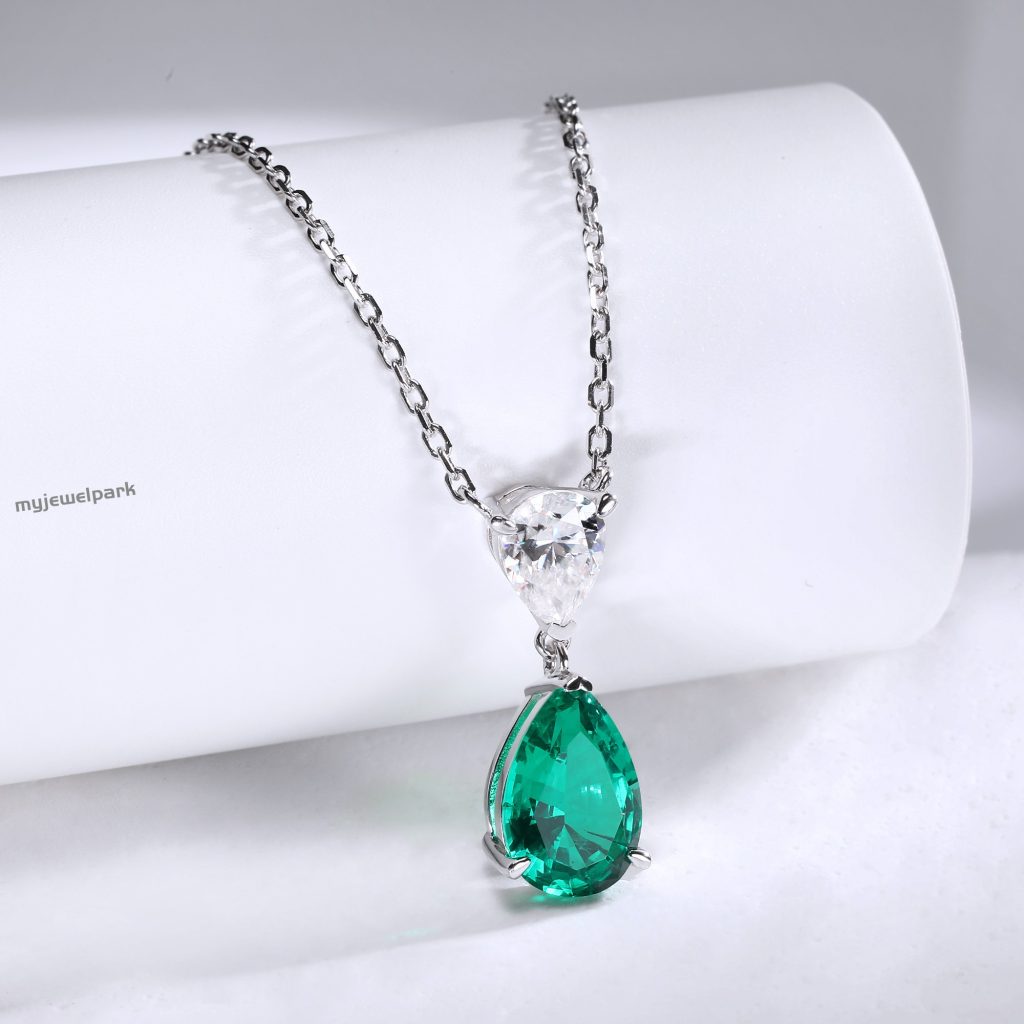
The conversation around lab-created gemstones is evolving. A 2023 MVEye consumer study shows a rising trend in positive sentiment toward lab-grown emeralds, especially among Gen Z and Millennials. Social platforms like Reddit and Instagram are filled with praise for the ethics, beauty, and affordability of these stones.
The term “ethical emerald” and searches like “lab-grown engagement ring” have spiked in recent years, reflecting a shift in buyer values. For many, it’s not just about how a gem looks—it’s about what it stands for.
The Smart Choice
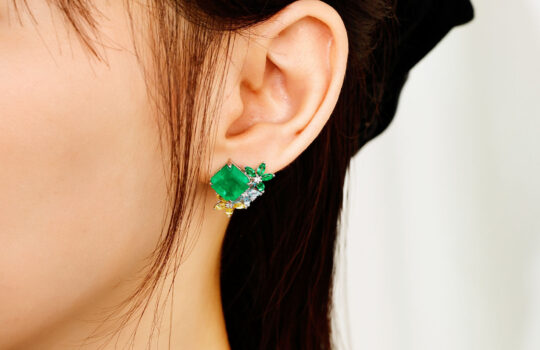
Lab-grown emeralds, whether flux or hydrothermal, offer a transparent and sustainable option in fine jewelry. They’re real, responsible, and more accessible. And with modern innovations, they now rival even the best natural stones in appearance.
Have you ever compared flux and hydrothermal emeralds? What did you notice? Let us know in the comments.







Mayora
February 17, 2026 at 10:03 pm꧁🪷🌷🌸🌺🦩꧂⊱🪷⊰Fascinating…But then.At the End.It is the ⋆˚࿔Sacred⋆˚࿔Artistry⋆˚࿔ manifest through the Human*Being, who carves whichever emerald was chosen,into a Timeless*Treasure…In an Eternal*💚*Embrace…꧁🪷🌷🌸🌺🦩꧂⊱🪷⊰