、What is the Difference Between Tsavorite and Emerald?
When it comes to green gemstones, most people immediately think of emeralds, but there’s another stunning green gem that often flies under the radar—tsavorite garnet. Both stones are prized for their rich green hues, but they have distinct differences in composition, rarity, and even durability.
1. Origin and Composition
One of the key differences between tsavorite and emerald is their mineral composition.
Emeralds belong to the beryl family and get their green color from traces of chromium and vanadium. They have a Mohs hardness of 7.5-8, making them relatively durable but prone to inclusions and fractures.
Tsavorite is a variety of garnet, colored by vanadium and chromium as well. Unlike emeralds, tsavorite has no need for clarity-enhancing treatments and has a Mohs hardness of 7-7.5, making it slightly more durable due to fewer internal fractures.
2. Color and Clarity
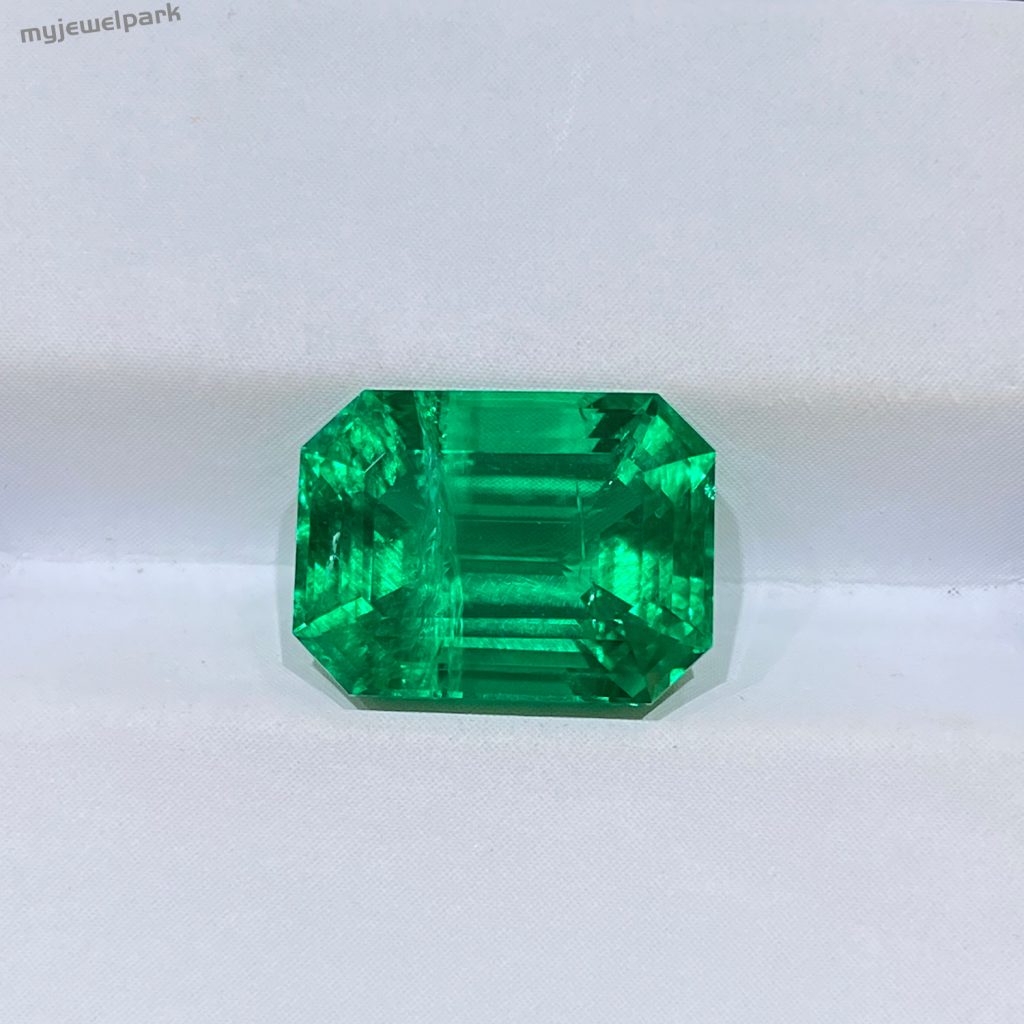
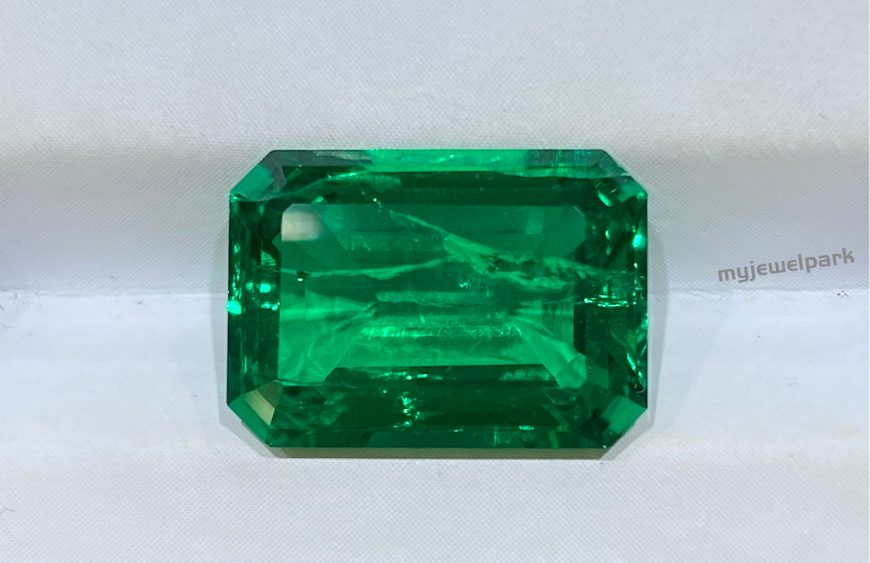
Emeralds have a softer, often slightly bluish-green color, with natural inclusions (sometimes called “jardin”). These inclusions give each emerald a unique look but can also impact durability.
Tsavorite garnet, in contrast, typically has a more vivid green color and greater transparency. It is known for its higher brilliance and dispersion, meaning it can sparkle more than an emerald under certain lighting conditions.
According to Reddit user u/GemLover98, “I always loved emeralds, but when I saw a tsavorite in person, I was shocked at how much brighter it looked!” This is a common sentiment among gem enthusiasts who appreciate the extra fire and sparkle that tsavorite offers.
3. Rarity and Price
Natural emeralds are often mined in Colombia, Brazil, and Zambia, with Colombian emeralds being the most famous.
Tsavorite garnet is significantly rarer than emerald and is found primarily in Kenya and Tanzania. Despite its rarity, tsavorite is often less expensive per carat than high-quality emeralds due to differences in market demand.
However, high-end tsavorites with deep green hues and exceptional clarity can fetch premium prices, sometimes rivaling those of emeralds.
As Quora user @GemExpert10 explains, “Tsavorite is rarer than emerald, but emeralds have centuries of historical value, which makes them more expensive overall.”
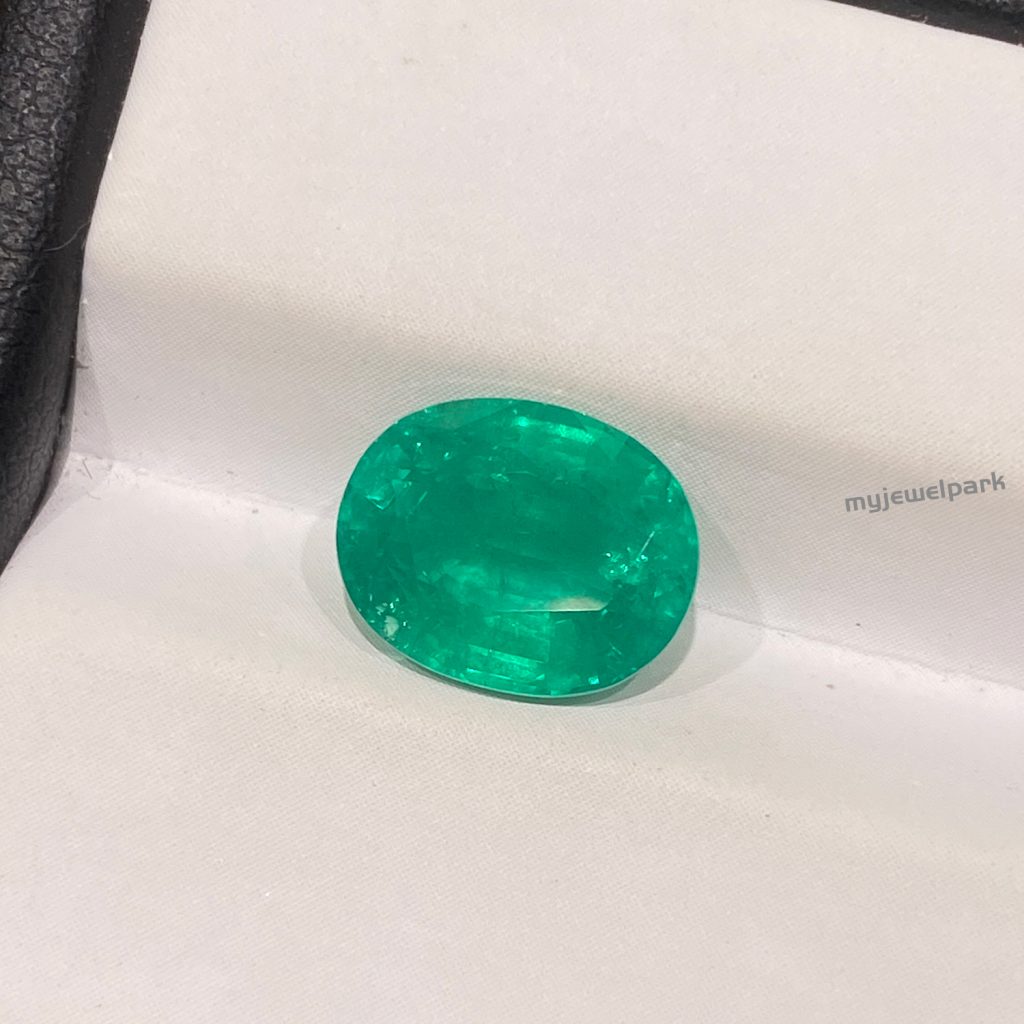
4. Lab-Grown Emeralds: The Ethical and Affordable Alternative
With the rise of lab-grown gemstones, cultured emeralds have become an increasingly popular option for those seeking the beauty of emeralds without the high cost or ethical concerns of mining. Thanks to advanced technology, modern lab-grown emeralds now feature the same inclusions and milky bodies as natural emeralds, avoiding the artificial glass-like appearance that earlier synthetic emeralds had.
Lab-grown emeralds offer several advantages:
1、✅ More Affordable – They cost significantly less than natural emeralds of the same size and quality.
2、✅ Sustainable and Ethical – No mining means no environmental damage or ethical concerns.
3、✅ Better Durability – Fewer inclusions and fewer fractures make them more resistant to damage.
Some jewelers now prefer cultured emeralds over natural ones because they provide consistent color and clarity, making them ideal for high-end jewelry. While lab-grown tsavorite is not widely available, synthetic green garnets (like YAG and GG) exist but don’t match the brilliance of natural tsavorite.
Which One Should You Choose?
Choosing between tsavorite and emerald depends on your personal preference and budget. If you love historical prestige and deep green hues, an emerald (natural or lab-grown) is a great option. If you prefer brighter sparkle, durability, and a lower price, tsavorite is an excellent choice.
>With advances in gemstone technology, lab-grown emeralds have become an appealing option for those seeking beauty, sustainability, and affordability—all without sacrificing authenticity.