What Is the Difference Between Emerald Cabochon and Faceted?
Emeralds are one of the most coveted gemstones, symbolizing luxury, wisdom, and rebirth. However, not all emeralds are cut the same way. The two most common styles are cabochon and faceted emeralds, each offering a unique aesthetic and energy. But how do they differ, and why is there a growing interest in lab-grown emeralds?
Cabochon vs. Faceted Emeralds: Key Differences
Cut and Appearance
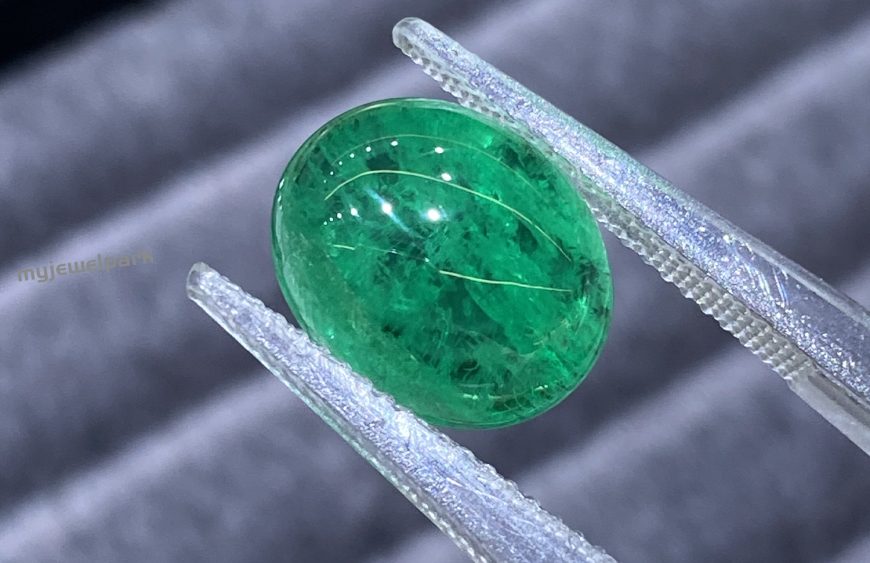
Cabochon Emerald: These stones have a smooth, domed surface with no facets. The cut enhances the depth of color and highlights natural inclusions, often referred to as the “jardin” (French for garden). This style creates a soft, glowing effect, making the emerald appear more mystical and vintage.
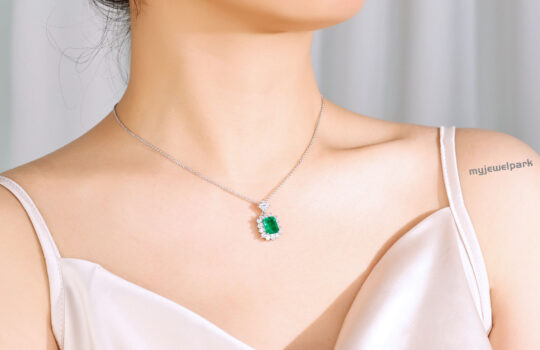
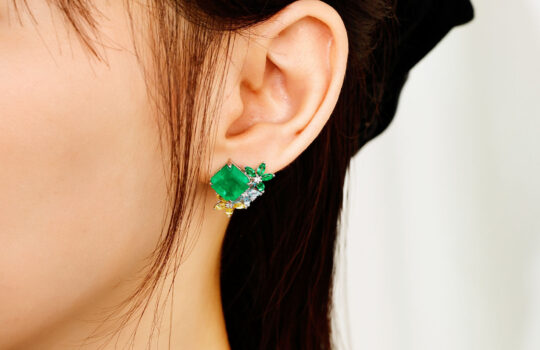
Faceted Emeralds: These are cut with multiple geometric planes to maximize brilliance and light reflection. The most popular faceted cut is the emerald cut, a step-cut design that enhances clarity while maintaining a regal, elongated look.
Brilliance and Light Reflection
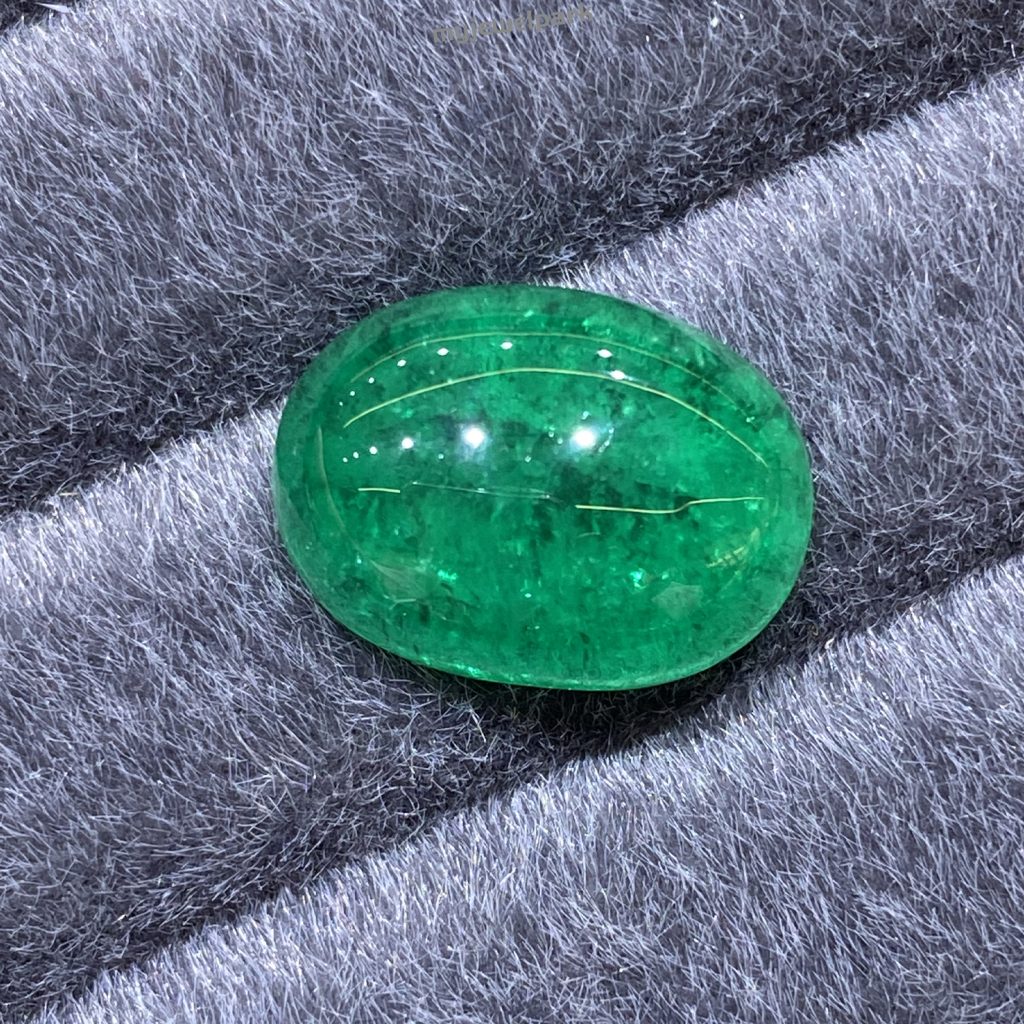
Cabochon emeralds diffuse light, producing a smooth and subtle shine rather than a sharp sparkle.
Faceted emeralds reflect light in multiple directions, resulting in a dazzling, eye-catching effect.
Usage in Jewelry
Cabochon emerald are often found in vintage, antique, and bohemian jewelry, as well as statement pieces with a rich, organic appeal.
Faceted emeralds dominate engagement rings, high-end luxury jewelry, and classic designs, emphasizing elegance and precision.
The Rise of Lab-Grown Emeralds in Both Cuts
With advances in gem-growing technology, modern lab-grown emeralds are nearly identical to natural ones, even replicating the inclusions and milky translucence of high-quality cabochons. Unlike older synthetic versions that appeared too perfect, today’s cultured emeralds have the same depth and character as mined stones.
Why Are Consumers Choosing Lab-Grown Emeralds?
Sustainability & Ethics – Traditional emerald mining has environmental and ethical concerns, including deforestation and exploitative labor. Lab-grown emeralds are eco-friendly and conflict-free.
Affordability – High-quality lab-created emeralds cost up to 90% less than natural emeralds, making larger and purer stones accessible to more buyers.
Durability & Customization – Scientists can now fine-tune the crystal structure of lab emeralds to improve clarity and reduce internal fractures, making them more resistant to chips and cracks—a crucial factor for both faceted and cabochon cuts.

Changing Perceptions & Social Trends
According to a 2023 consumer study by the International Gem Society (IGS), over 70% of millennials and Gen Z buyers are open to lab-grown gemstones, prioritizing sustainability and affordability. Social media platforms like Instagram and TikTok have fueled this shift, with influencers and designers showcasing lab-created emerald jewelry as a modern, ethical alternative to mined gems.
Many wearers also report a psychological shift, viewing lab-grown emeralds not as “fake” but as a technological evolution of luxury jewelry. This perception has made them highly desirable in custom fine jewelry and contemporary engagement rings.
The Future
Both cabochon and faceted emeralds offer unique beauty and charm. While faceted cuts maximize brilliance, cabochon emeralds highlight the depth and organic essence of the gemstone. With lab-grown emeralds now offering the same authenticity, color, and even natural-looking inclusions, they are becoming a top choice for ethical luxury.
Would you choose a lab-grown emerald for its sustainability and cost benefits, or do you prefer the tradition of natural stones? Share your thoughts in the comments!