Lab-Grown Emeralds: Pros, Cons, and Everything You Need to Know
Emeralds have long been admired for their rich green hues and timeless appeal. With the rise of lab-grown gemstones, many consumers are now turning to lab-created emeralds as an ethical and affordable alternative to natural ones. But how do these lab-grown versions compare to mined emeralds?
What Are Lab-Grown Emeralds?
Lab-grown emeralds are real emeralds, created using advanced scientific methods such as hydrothermal synthesis or flux growth. These methods replicate the natural formation process, resulting in emeralds with the same physical, chemical, and optical properties as those found in nature. Unlike simulated gemstones (such as glass or cubic zirconia), lab-grown emeralds are genuine beryllium aluminum silicate crystals with a Mohs hardness of approximately 7.5 to 8.
Pros of Lab-Grown Emeralds
1. Affordability
One of the biggest advantages of lab-created emeralds is their price. Natural emeralds, especially those with deep color and minimal inclusions, can be incredibly expensive. Lab-grown emeralds offer the same beauty at a fraction of the cost, making high-quality emerald jewelry accessible to more people.

2. Ethical and Sustainable
Traditional emerald mining frequently causes environmental destruction and exploits unethical labor practices. In contrast, lab-grown emeralds form in controlled environments, which removes concerns about unethical mining and minimizes harm to ecosystems.
3. Higher Clarity and Fewer Inclusions
Natural emeralds are known for their inclusions, often referred to as the “jardin” (French for garden). While inclusions can add character, they also make the stone more fragile. Lab-grown emeralds are produced with fewer inclusions, resulting in stronger, more durable stones that are less prone to breaking.
4. Customization and Availability
Since they are created in labs, these emeralds can be consistently produced in desired colors and sizes, ensuring a steady supply of high-quality stones without the unpredictability of mining.
Cons of Lab-Grown Emeralds
1. Perceived Value
Despite their beauty and authenticity, lab-grown emeralds do not hold the same value as natural ones in the eyes of collectors and investors. For those looking at gemstones as a long-term investment, natural emeralds remain the preferred choice.
2. Technological Limitations
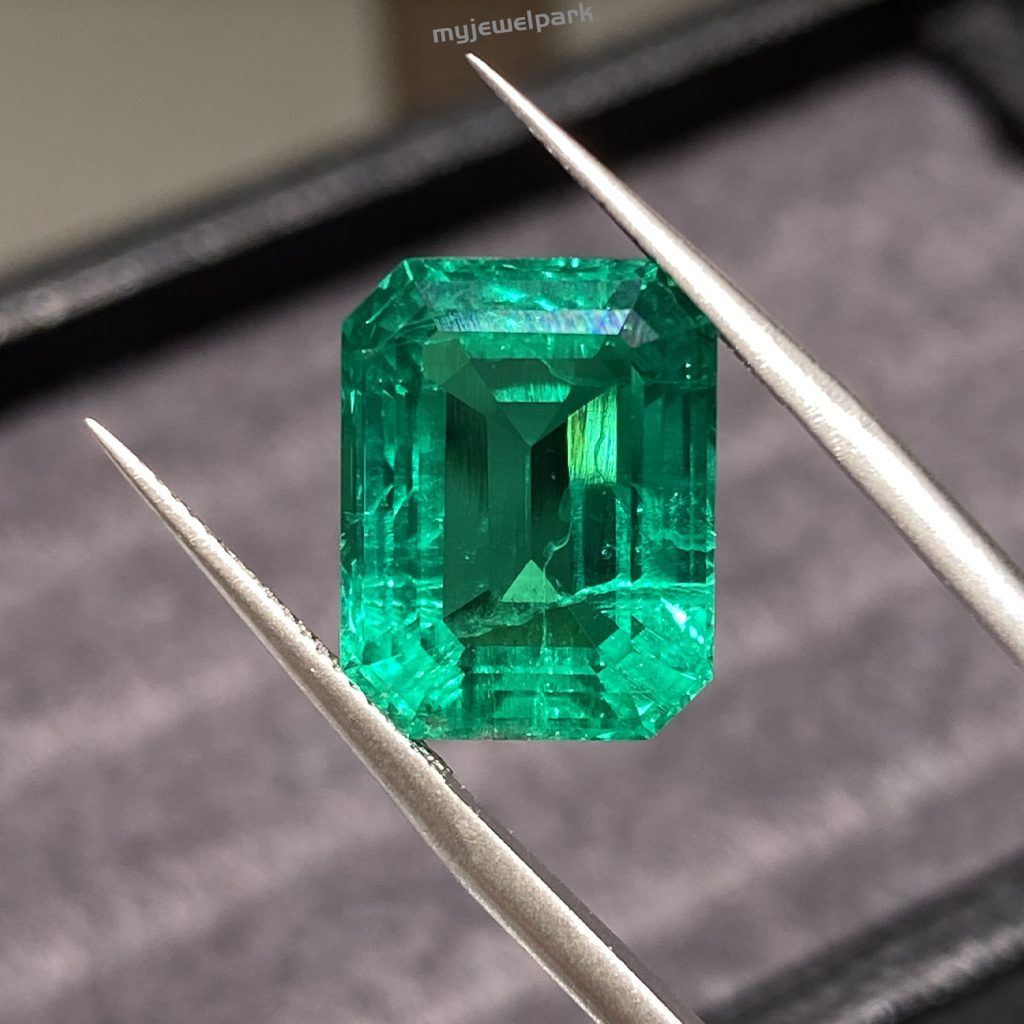
While scientific advancements have allowed lab-grown emeralds to mimic natural inclusions and even develop slight milky bodies (as opposed to the glassy appearance of older synthetic emeralds), some experts can still distinguish them using specialized equipment.
Public Perception and Psychological Appeal
Many people are drawn to the symbolism of emeralds—associated with renewal, love, and prosperity. With growing awareness of ethical sourcing, lab-grown emeralds are becoming more socially accepted and even preferred by eco-conscious buyers. Interestingly, some individuals still experience a psychological preference for mined emeralds, believing that their natural origin imbues them with a unique energy.
The Future of Lab-Grown Emeralds
Thanks to continuous improvements in gem-growing technologies, lab-created emeralds are getting closer to being indistinguishable from their natural counterparts. Innovations in crystal growth are now allowing lab emeralds to feature realistic inclusions, mimicking the complexity of natural stones. As acceptance of lab-grown gemstones continues to rise, they are expected to play an even greater role in the jewelry industry.
Would you choose a lab-grown emerald over a natural emerald? Would you accept the pros and cons of lab-grown emeralds? Share your thoughts in the comments below!