Shopping for Emeralds: How to Evaluate Inclusions Like a Pro
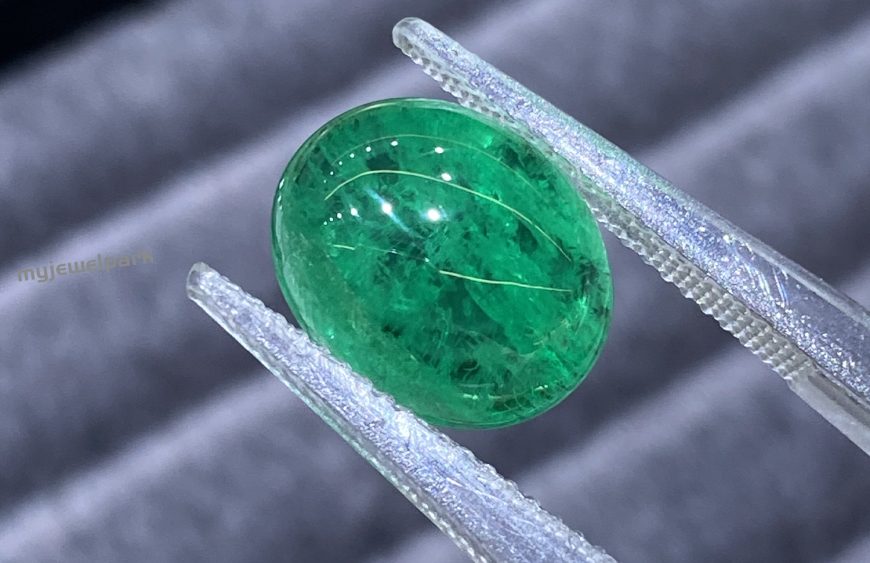
Emeralds are known for their vivid green color, but if you’re buying one, it’s the inclusions you really need to pay attention to. Inclusions are internal features that form during a gem’s creation, and they’re especially common in emeralds. Rather than being flaws, they’re often seen as a signature of authenticity.
Not all inclusions are equal, and understanding them can help you choose a gem that’s not only beautiful but also durable and well-priced.
Why Emeralds Almost Always Have Inclusions
Unlike diamonds or sapphires, emeralds form under extreme geological pressure, which almost guarantees internal fractures or “jardin” (French for garden). These may look like fine lines, wisps, or even feathery textures under magnification. High-end natural emeralds from Colombia, Zambia, or Brazil almost always show some internal characteristics and that’s totally normal.
In fact, a completely flawless emerald is so rare that it might raise red flags for gem experts. It could be overly treated or synthetic, unless it’s a well-made lab grown emerald.
The Smart Way to Evaluate Inclusions
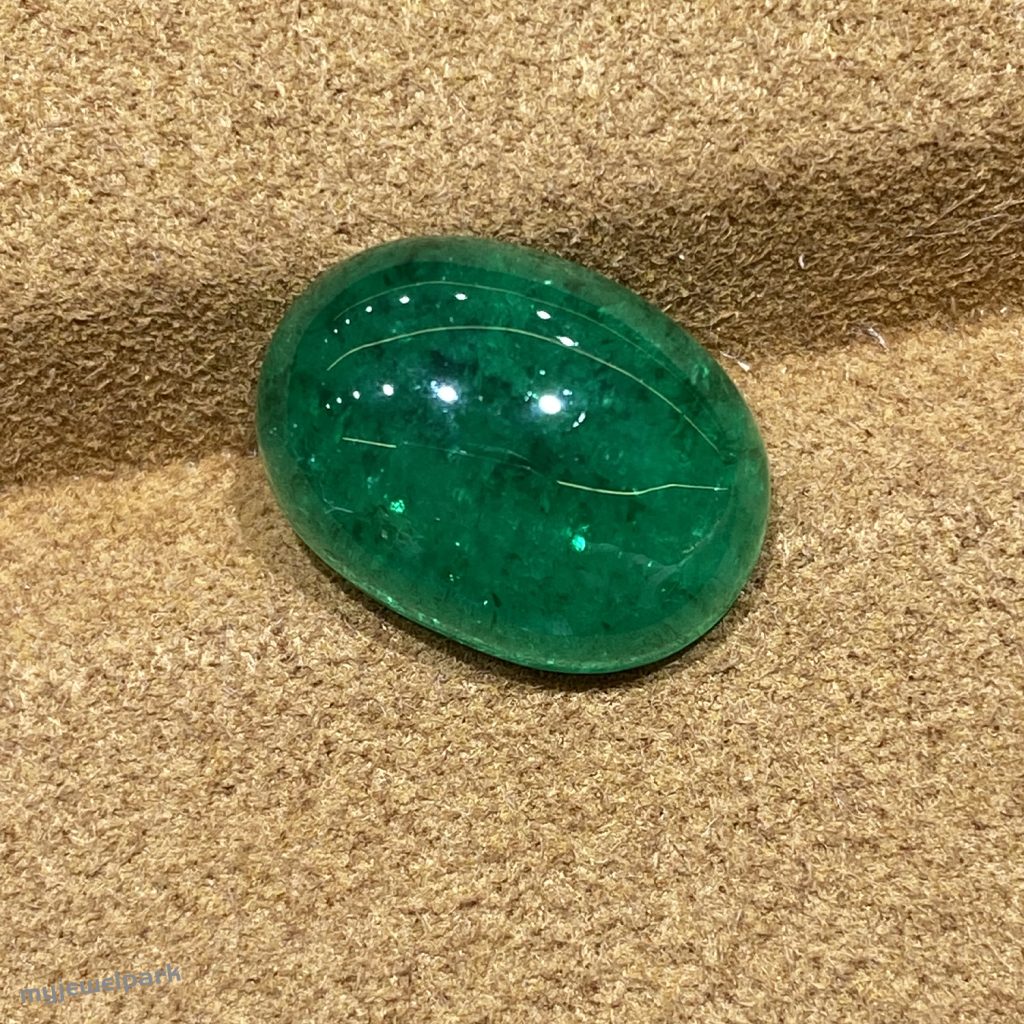
When shopping for emeralds, here’s what you should look for:
Position: Are the inclusions located deep inside the stone, or do they reach the surface? Surface-reaching fractures can affect durability over time.
Visibility: Can you see the inclusion without magnification? Slight cloudiness or silkiness might add character, but large, obvious cracks can weaken the stone and impact sparkle.
Pattern: Organic-looking inclusions are more accepted. If they resemble plant roots or a smoky garden, they’re often considered part of the emerald’s natural charm.
What About Lab Grown Emeralds?
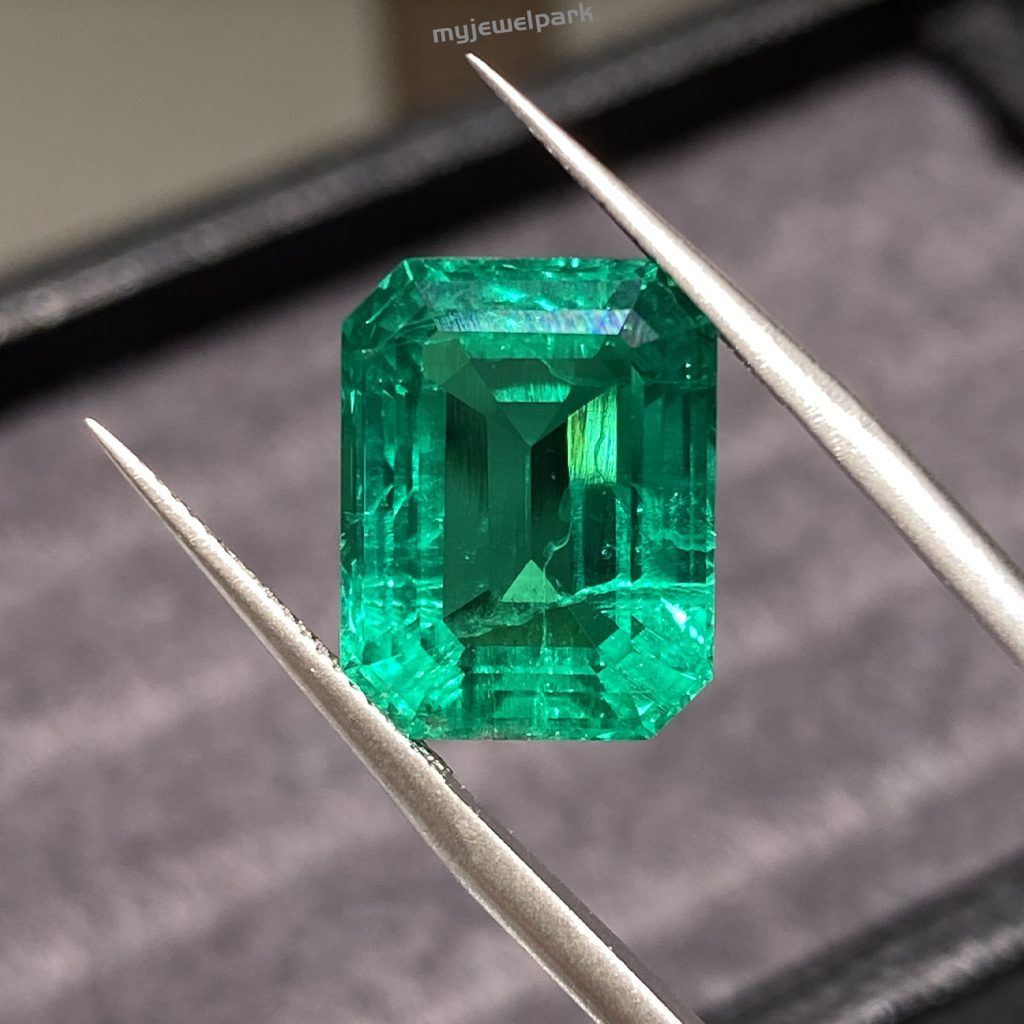
Here’s where things get interesting. Thanks to hydrothermal and flux growth technology, lab created emeralds can now include realistic-looking inclusions that mimic the inner structure of high-end Colombian emeralds. These aren’t random flaws, they’re engineered traits designed to add authenticity.
Some cultured emeralds even have the milky body seen in natural stones, far from the old-school “vitreous” lab emeralds that looked too clean and synthetic. These stones often pass the eye test with jewelers and gem enthusiasts alike.
Many buyers are leaning toward ethical emeralds and sustainable gemstone jewelry, not just for the price advantage but also for peace of mind. Social platforms like Reddit and TikTok are filled with users showing off lab emeralds that look just like grandma’s vintage ring but were grown using clean energy and modern methods.
The Emotional Factor
There’s something psychological about seeing inclusions in your gemstone. They make it feel more personal, more “real.” For many, a slightly included emerald feels like a story, not just a sparkle. And when that story includes eco-conscious choices, transparent sourcing, and cutting-edge science, it becomes even more meaningful.
Inclusions are not imperfections; they’re identity. Whether natural or lab grown, the right emerald will show just enough inner life to be captivating without sacrificing strength or beauty.
What kind of emerald do you prefer, classic mined or modern lab grown? Join the conversation in the comments.