Why Are Colombian Emeralds Worth More?
Colombian emeralds are often seen as the gold standard in the emerald world. Collectors, jewelers, and gem lovers consistently rank them as the most valuable—and for good reason. What makes Colombian emeralds so expensive, and how do they compare to their cultured counterparts?
What Makes Colombian Emeralds So Special?
Colombia’s emerald mines, especially those in Muzo, Chivor, and Coscuez, have produced some of the most famous emeralds in history. The country is known for its intense green stones with a bluish undertone, minimal yellow tint, and high transparency.
One major factor in their value is scarcity. Natural emeralds from Colombia are mined under challenging conditions, often by hand, and many stones are small or heavily included. Fine-quality, larger stones with good clarity are rare and command premium prices.
In addition to their color and clarity, Colombian emeralds often carry historic appeal. Some are even linked to royal collections, auction houses, or vintage estate jewelry, all of which add emotional and financial value.
Why Inclusions Don’t Always Lower the Price

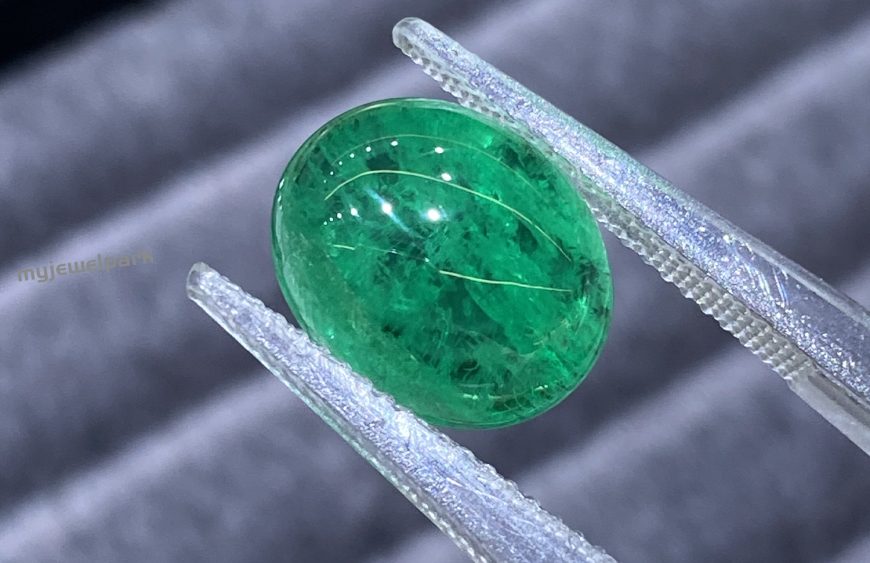
Unlike diamonds, emeralds are expected to have inclusions. These internal features, often called jardin, are part of their identity. Colombian emeralds are especially prized when their inclusions are soft, feather-like, or spread in patterns that enhance the stone’s natural beauty.
However, these inclusions often require the emerald to be oiled—a common treatment that improves clarity. While accepted in the market, this means the gem may need re-oiling over time and extra care in cleaning and wear.
Enter the Lab Grown Emerald
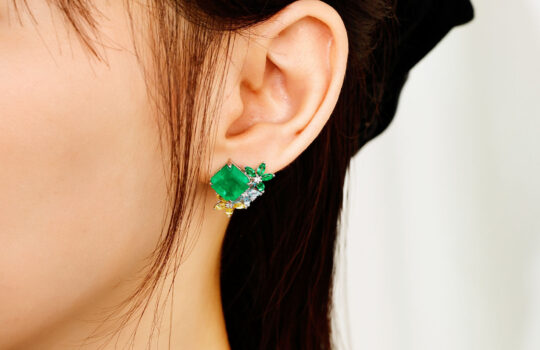
Modern technology has made it possible to grow cultured emeralds that look and behave very much like natural Colombian stones. Using hydrothermal methods, laboratories can now produce emeralds with rich color, real crystal structure, and even naturally inspired inclusions.
These lab created emeralds don’t just imitate Colombian emeralds—they often feature the same soft internal veils and slightly milky body that made natural stones so beloved. And unlike earlier synthetics that looked too perfect or glassy, today’s lab grown gems are crafted with realism in mind.
What Buyers Are Saying
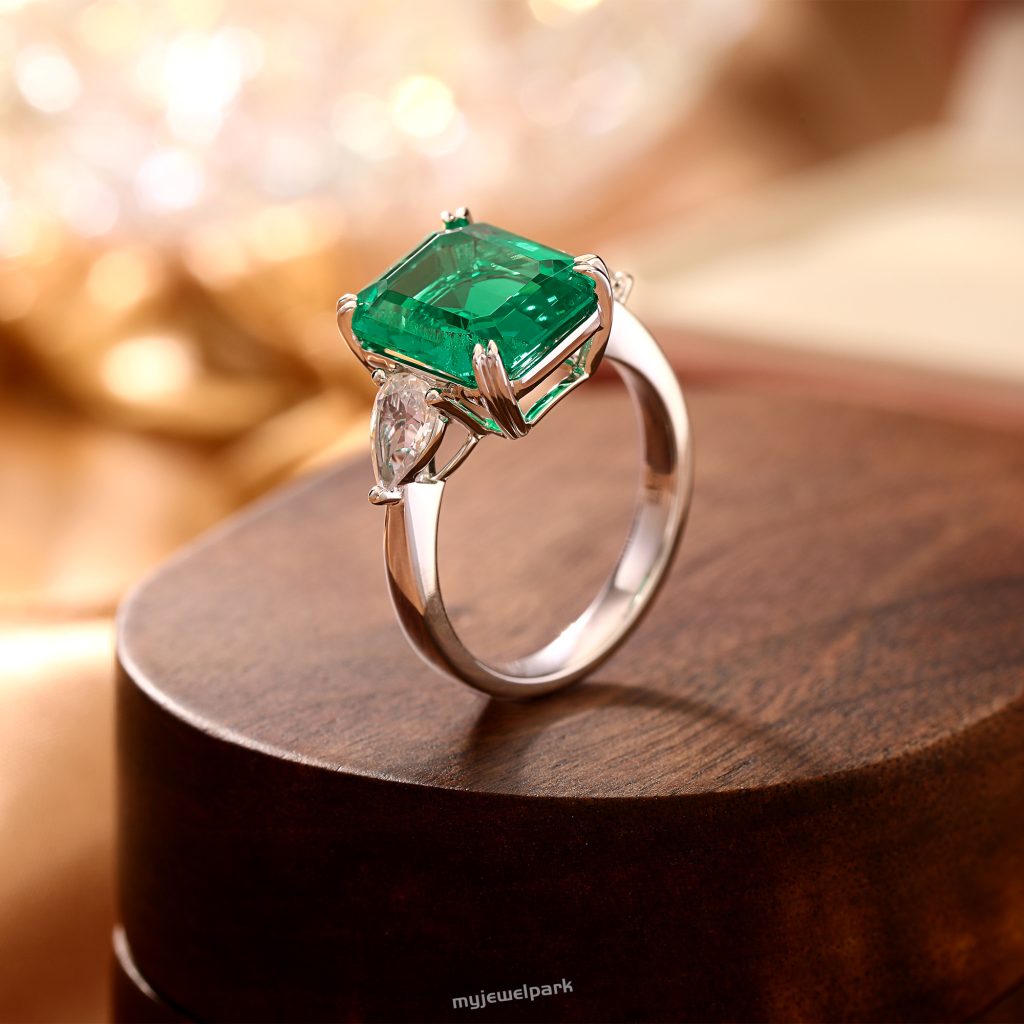
Across Reddit, Instagram, and TikTok, buyers are sharing their lab grown emerald rings and pendants. One user wrote, “Mine has tiny wisps inside that make it look real. Honestly, I prefer it over the mined stone I was shown at twice the price.”
Another buyer pointed out the appeal of transparency and ethics. “No conflict, no mystery sourcing, no damage to the environment. I get the look of a high-end Colombian emerald without the complications.”
The Future of Lab Grown Emeralds
Colombian emeralds are valued for their beauty, rarity, and legacy. But for modern shoppers looking for sustainable jewelry, lab grown emeralds now offer a realistic, affordable, and ethical alternative—often with the same visual character that made Colombian stones famous.
Would you go for the tradition of a Colombian emerald or the innovation of a lab grown one? Share your take in the comments.