Lab Grown Emerald Engagement Rings 2025
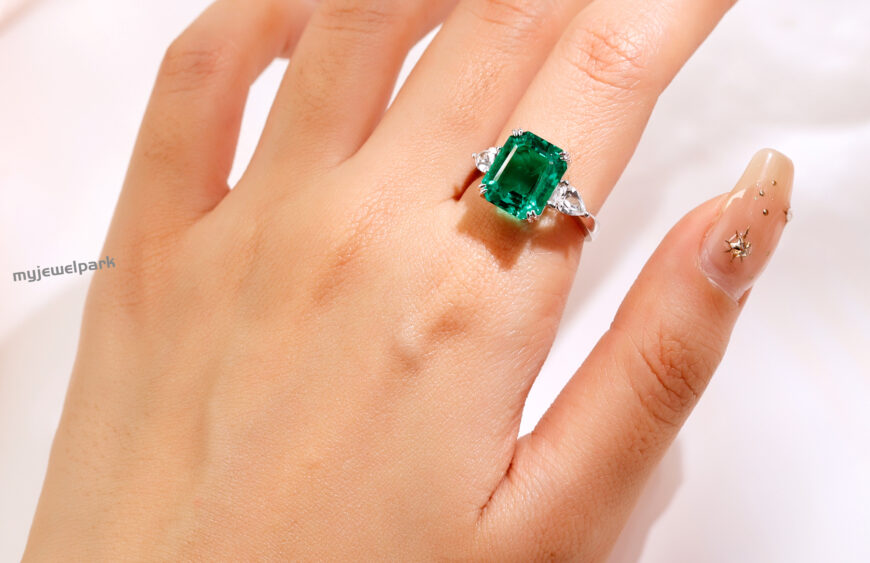
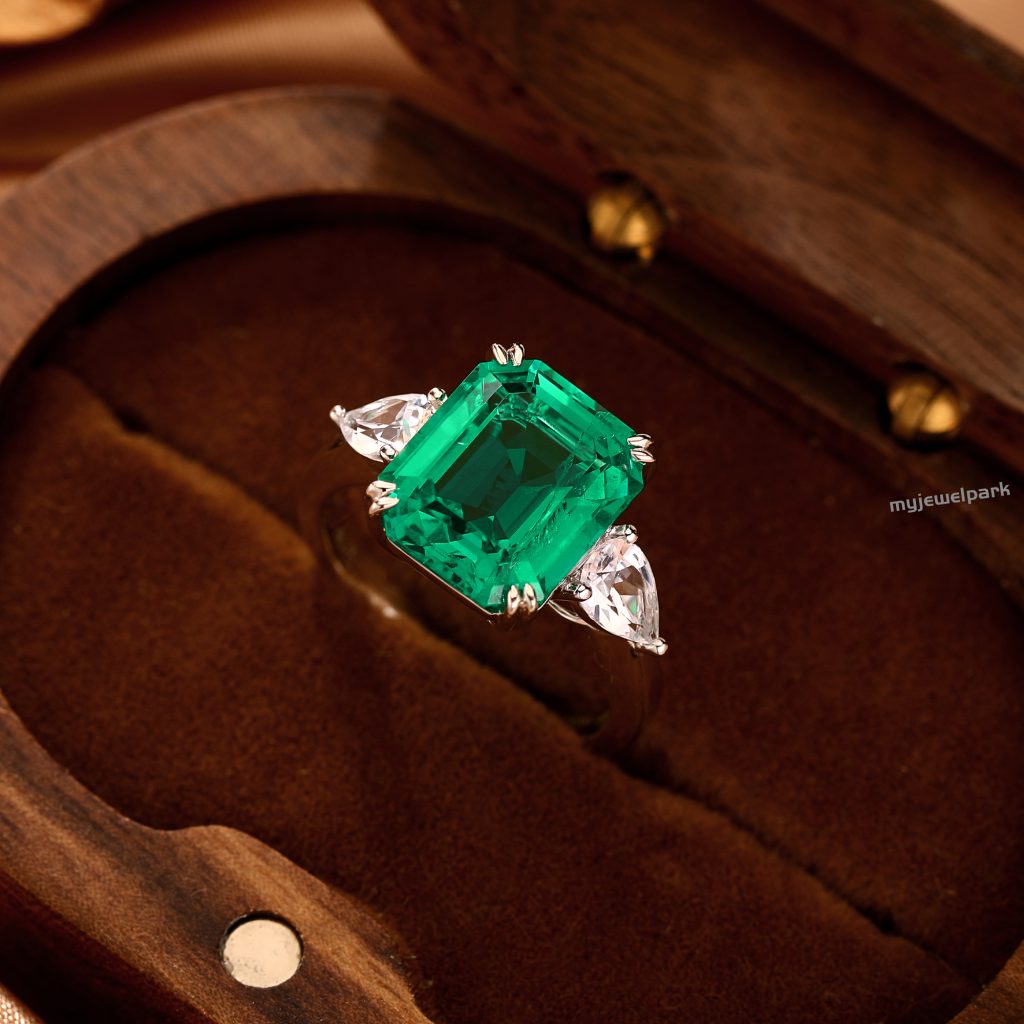
In 2025, lab-grown emerald engagement rings are no longer considered an alternative. They’ve become a category of their own—distinct, desirable, and grounded in science. For couples navigating a changing definition of value and authenticity, these rings now offer an experience that blends technology with emotional meaning.
At the molecular level, a lab-grown emerald is identical to its mined counterpart. It’s real beryl. Its refractive index, density, and crystal structure match those of naturally formed emeralds. The difference lies in the environment. Instead of being shaped over millions of years in the earth, these stones grow in weeks using hydrothermal synthesis, where heat and pressure simulate the same geological process in a lab setting.
A 2024 technical report from the International Gemological Institute (IGI) outlines the current identification protocols for synthetic emeralds. The report notes that high-end hydrothermal specimens often display internal structures once exclusive to natural emeralds. These include feather-like inclusions, zoned coloration, and faint clouding. IGI’s own recommendation to retailers in 2025 emphasized transparency: disclose lab origin, but acknowledge structural parity.
On Reddit’s r/EngagementRings forum, conversations reflect this shift in perception. One widely shared post read, “My lab emerald came with no filler, no oil, and way more clarity than any mined stone I saw in stores. Why pay for an old tradition when science does better?”
Wider trends support the emotional turn toward science-based stones. The Global Jewelry Ethics Forum conducted a 2025 survey and found that 64 percent of consumers in North America and Europe preferred gemstones that were untreated and traceable. Younger buyers, especially those between 25 and 40, reported that they associated sustainability with long-term emotional value more than resale potential.
That’s where modern hydrothermal technology plays a defining role
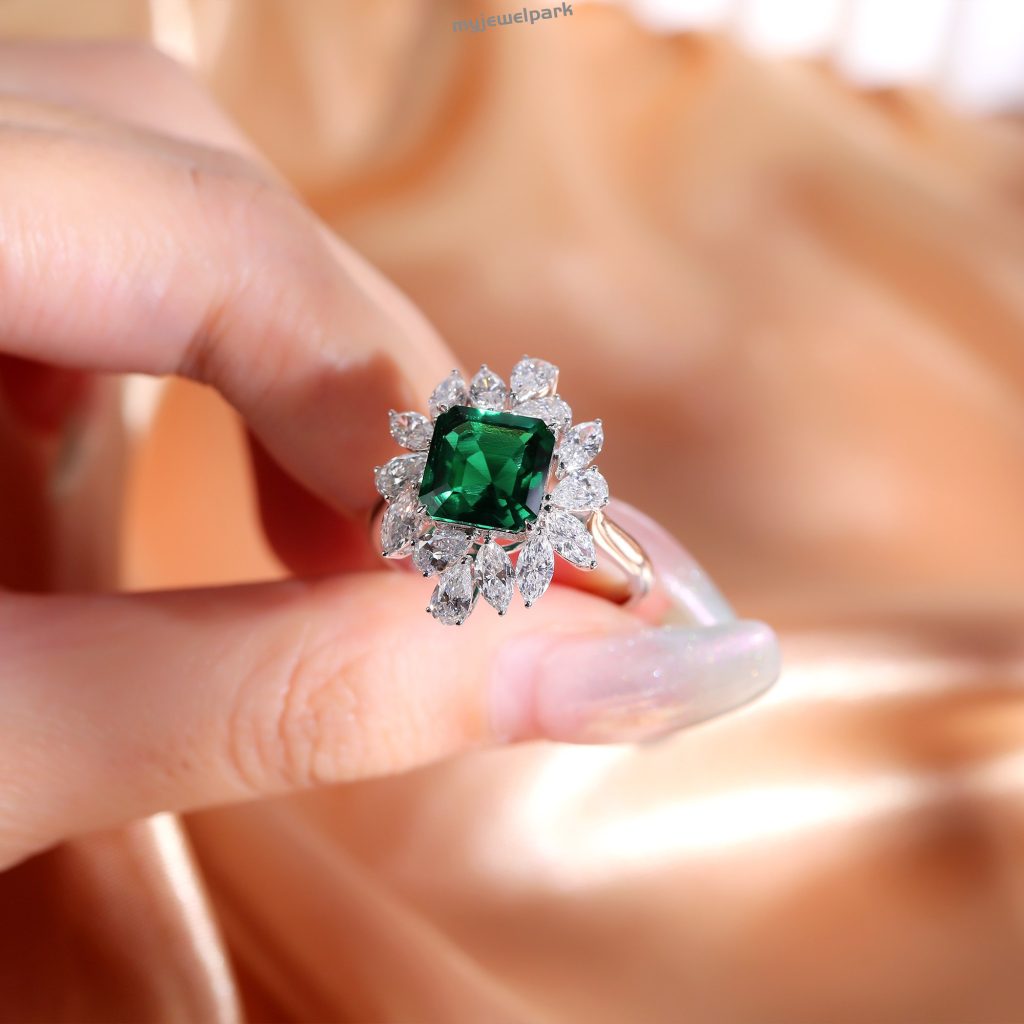
Producers now design lab emeralds with character. Through calibrated growth rates and subtle mineral adjustments, the crystal forms with imperfections that look entirely organic. People don’t view wispy internal veils, soft zoning, and natural – looking cloudiness as flaws. Instead, they intentionally cultivate these features to mimic the mossy inclusions of Colombian stones. Brands like Chatham have developed patented opacifying processes that give lab emeralds a visual warmth once exclusive to natural gems.
This shift isn’t about imitation. It’s about evolution. For modern couples in 2025, lab-grown emerald engagement rings offer transparency in every sense—from origin to meaning.
Poll: Which would you choose for your engagement ring?
A traditional emerald treated with oil or a lab-grown emerald with natural inclusions that is untreated? Jewelry is no longer just about carat and cut. It’s about the alignment of values, the pursuit of science, and a future that is both beautiful and responsible.