How to Clean and Maintain Your Synthetic Emerald Jewelry
Synthetic emeralds are real beryl, grown under controlled conditions that replicate nature. Just like natural stones, they need thoughtful care to maintain their color, clarity, and structure. As more people invest in lab grown emerald jewelry, understanding how to clean it properly—and why it matters—has become essential.
These stones rank between 7.5 and 8 on the Mohs hardness scale
That places them in the durable category, yet they remain vulnerable to cracking due to internal tension, especially along inclusions. The International Gemological Institute (IGI) noted in its 2024 update on synthetic gemstones that hydrothermal emeralds, while generally more stable than mined stones, can still react poorly to ultrasonic or steam cleaning.
Surface damage is rarely the issue
The real risk lies inside. If a stone has an inclusion near the surface, sudden temperature shifts or impact can compromise its integrity. This is why IGI and other gem labs now recommend manual cleaning methods for all synthetic emerald jewelry.
Best Ways to Clean Synthetic Emerald
Let the ring or pendant soak in lukewarm water with mild soap for a few minutes. Gently wipe with a microfiber cloth or a very soft toothbrush. Rinse thoroughly and dry with care. Avoid ammonia, alcohol, and harsh chemicals. Even without oil treatments, synthetic emeralds still benefit from gentle handling.
Online communities like Reddit reflect divided opinions. One widely shared post reads, “I cracked my emerald using a cleaner made for diamonds. Didn’t realize the internal structure was different.” Another user responded, “I’ve had my lab emerald five years. I clean it with dish soap and it still looks brand new.”
That longevity is one of the strongest arguments for lab-grown stones.
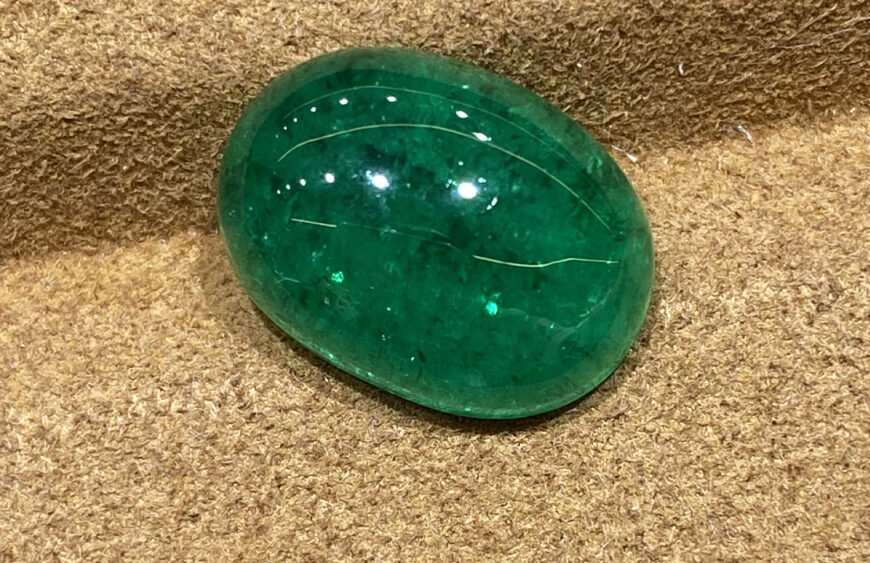
Modern hydrothermal growth allows producers to create emeralds with fewer fracture lines and more consistent clarity. Internal inclusions are no longer random. They’re part of the design. Through controlled mineral introduction and cooling cycles, features like soft veils and clouded zones are engineered to resemble the look of Colombian stones without the instability.
A 2025 consumer report by the Gemstone Sustainability Institute found that 64 percent of buyers in the US and EU prefer untreated gems. These respondents said they were drawn to the natural appearance of lab-grown emeralds that had not undergone traditional oil filling or artificial enhancement.
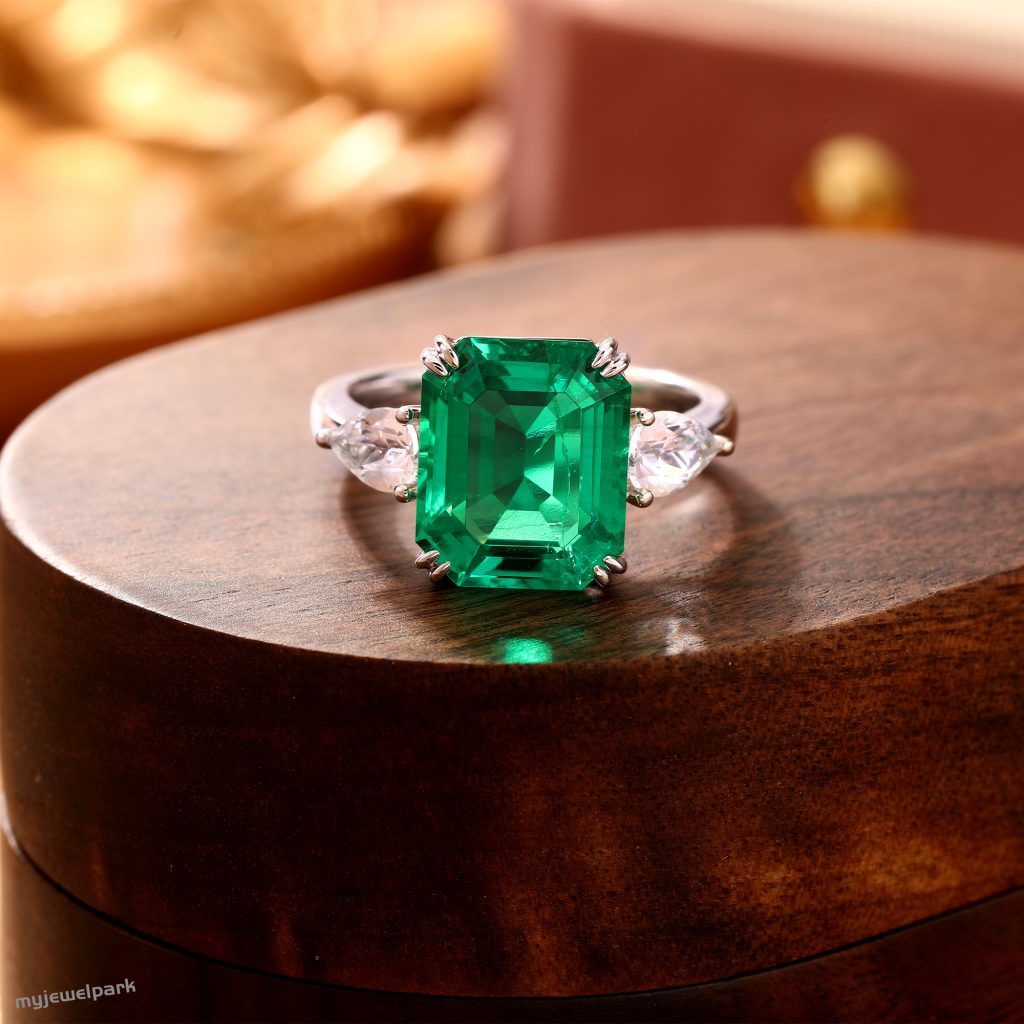
For those who care about how their jewelry looks—and where it comes from—proper cleaning is part of that commitment.
Survey: Which type of emerald do you trust more for everyday wear?
Traditional emeralds treated with oil or lab-grown emeralds with untreated hydrothermal inclusions? When a gemstone is precisely grown and worn with care, care is key.