Is Emerald a Lucky Stone?
Across cultures, emerald has earned a place as more than just a beautiful gem. It’s been linked to intuition, love, clarity—and yes, luck. But luck means different things to different people. For some, it’s about timing. For others, it’s about alignment with values. Emerald, whether mined or cultivated, offers both.
Historically, emerald was worn to bring insight during difficult decisions. In ancient Rome, it was a symbol of foresight. Within Eastern traditions, it has been linked to Mercury, the planet representing intellect, negotiation, and timing. In both scenarios, luck was never arbitrary; instead, it arose from clarity and perspective.
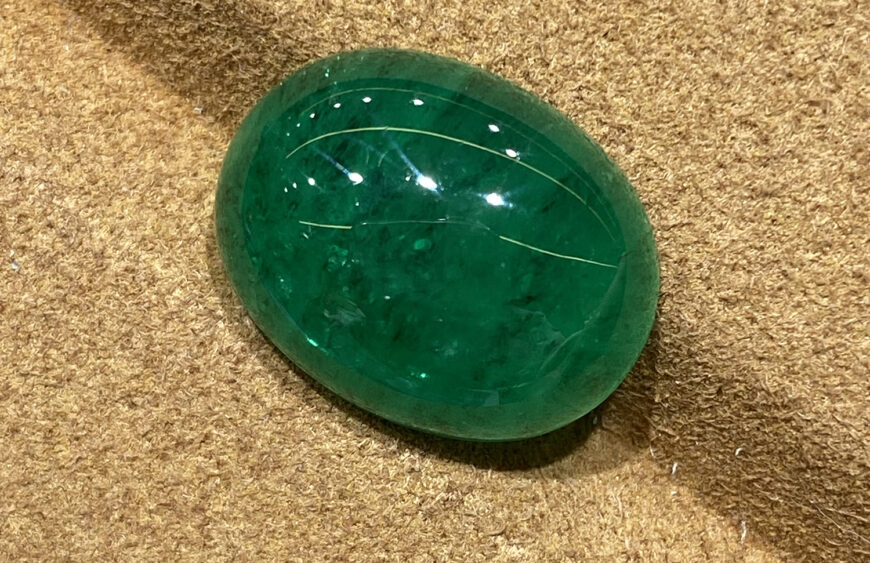
Emerald’s internal structure plays into that symbolism. Most stones feature visible inclusions, often called jardin. These moss-like patterns are viewed as proof that the gem has “grown through pressure,” making it a physical metaphor for resilience and earned fortune.
But there’s a catch
Natural emeralds are often filled with oil to hide surface-reaching fractures. On Reddit’s r/Crystals and r/Jewelry, users have mixed opinions. One post reads, “I bought a small emerald for luck. Two years later, it turned cloudy and cracked. No one told me it was treated.” Another response: “That’s why I chose a lab-grown emerald—no oil, no guesswork. Still gorgeous.”
These experiences are shaping new preferences
A 2025 study by the Global Gemstone Insight Group showed that 64 percent of consumers in North America and Europe associate untreated gemstones with authenticity and emotional value. The report found that people seeking symbolic stones, especially for daily wear, wanted transparency—not just in appearance, but in sourcing.
This is where lab-grown emeralds offer a meaningful shift
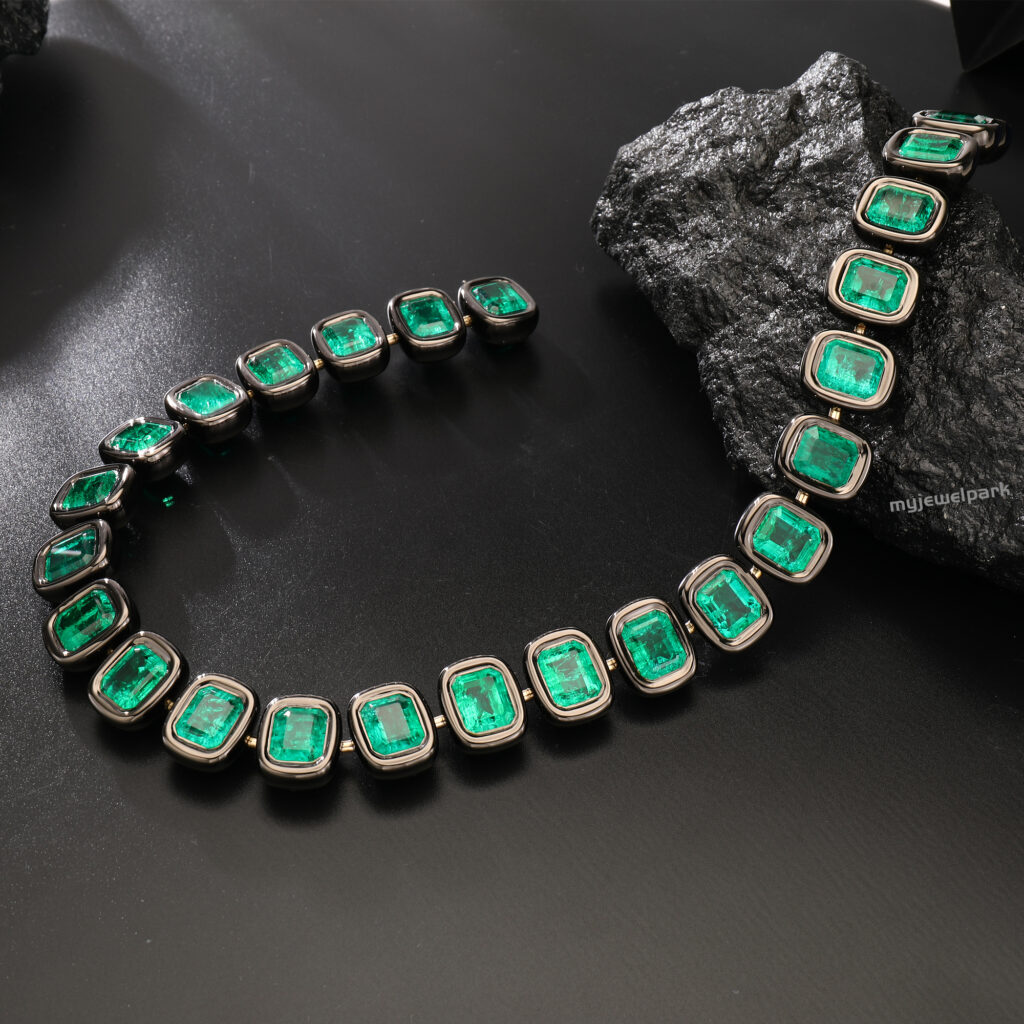
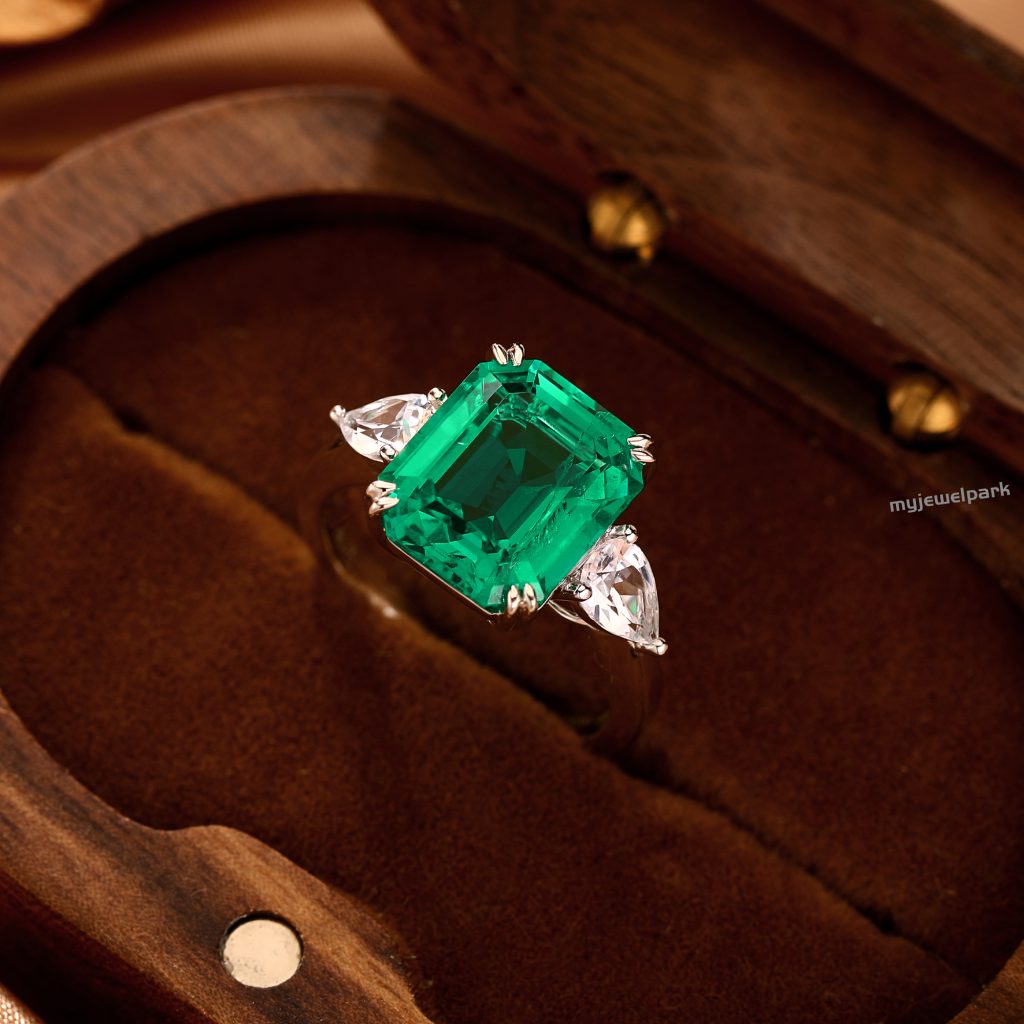
Through hydrothermal synthesis, emeralds are created under conditions that mirror natural formation. The process allows for internal inclusions, soft zoning, and texture that look organic—but without the instability of natural fractures. Brands like Chatham use controlled methods to grow stones with depth and dimension, echoing the look of Colombian emeralds without requiring oil-based enhancement.
Ethical Luck
For those who view emerald as a lucky stone, that consistency matters. There’s comfort in knowing the gem won’t change over time. And for many, the idea of ethical luck—good things rooted in thoughtful choices—makes lab-grown even more appealing.
One Reddit user summarized it well: “I didn’t just want a stone that looked lucky. I wanted one that felt aligned with the way I live. My lab emerald feels honest. That’s my kind of luck.”
Whether worn for confidence, intuition, or emotional grounding, emerald’s meaning remains rich. But how it’s made can deepen that symbolism.