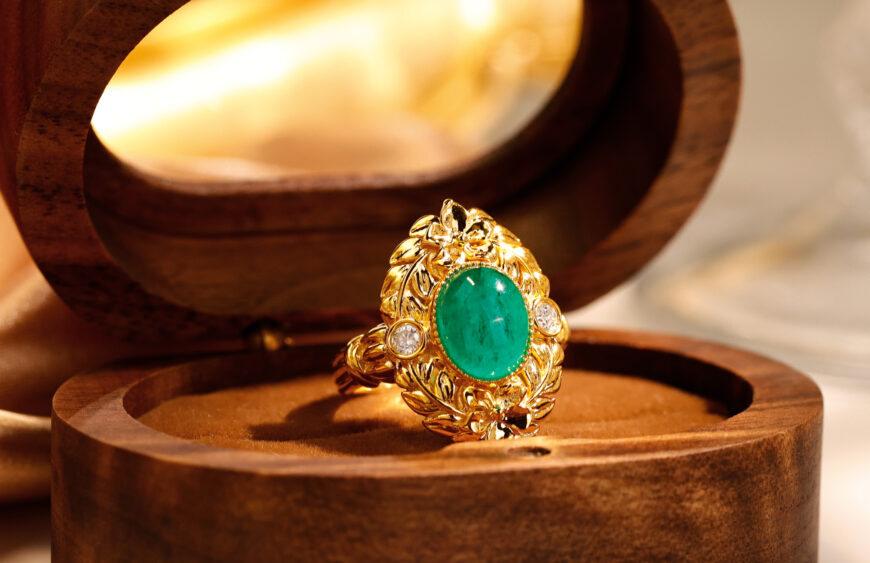
How to Tell If a Vintage Colombian Emerald Ring Is Untreated
Colombian emeralds are legendary for their color—rich, glowing, often with a soft bluish undertone. When paired with the mystique of vintage jewelry, they seem almost untouchable. But verifying whether a vintage Colombian emerald is untreated is more complex than it appears. Inclusions alone don’t tell the full story, and age doesn’t guarantee purity.
Most emeralds, especially those mined before the 2000s, underwent oil treatment. This traditional method uses cedarwood oil to fill surface-reaching fractures and improve apparent clarity. It’s not deceptive—it’s an industry norm—but it does alter the stone’s structure. Over time, oil can break down, leak, or discolor, making untreated specimens much rarer than most collectors expect.
Telling the difference without lab equipment is nearly impossible. Even experienced jewelers often rely on gemological labs for confirmation. The only reliable method involves magnified inspection and spectroscopy. Look for signs of fluid inclusions without oil halos. Untreated stones also tend to show more natural zoning and less overall clarity.

On Reddit’s r/Gemstones, one collector wrote, “I bought what I thought was an untreated vintage Colombian emerald ring. Turns out it had been re-oiled twice since the ’80s. Lesson learned: always ask for documentation.” In the same thread, another user shared, “I stopped chasing vintage pieces. Too many variables. I went with a lab-grown stone I could fully trace.”
This shift in perspective mirrors growing trends in the jewelry world
A 2025 report by the Gemstone Integrity Index revealed that 64 percent of consumers in North America and Europe prefer emeralds with confirmed zero treatment. These buyers associated untreated gems with authenticity and emotional transparency—but also admitted the difficulty of verifying older stones without modern documentation.
That’s where lab-grown emeralds, particularly hydrothermal-grown stones, have found an edge.
Hydrothermal emeralds are created under carefully controlled conditions that replicate natural formation. The result is a chemically identical crystal with consistent clarity and fewer structural weaknesses. Because they grow without surface-reaching fissures, they don’t require oil to appear clear. Their inclusions—if present—form naturally during growth and remain stable over time.
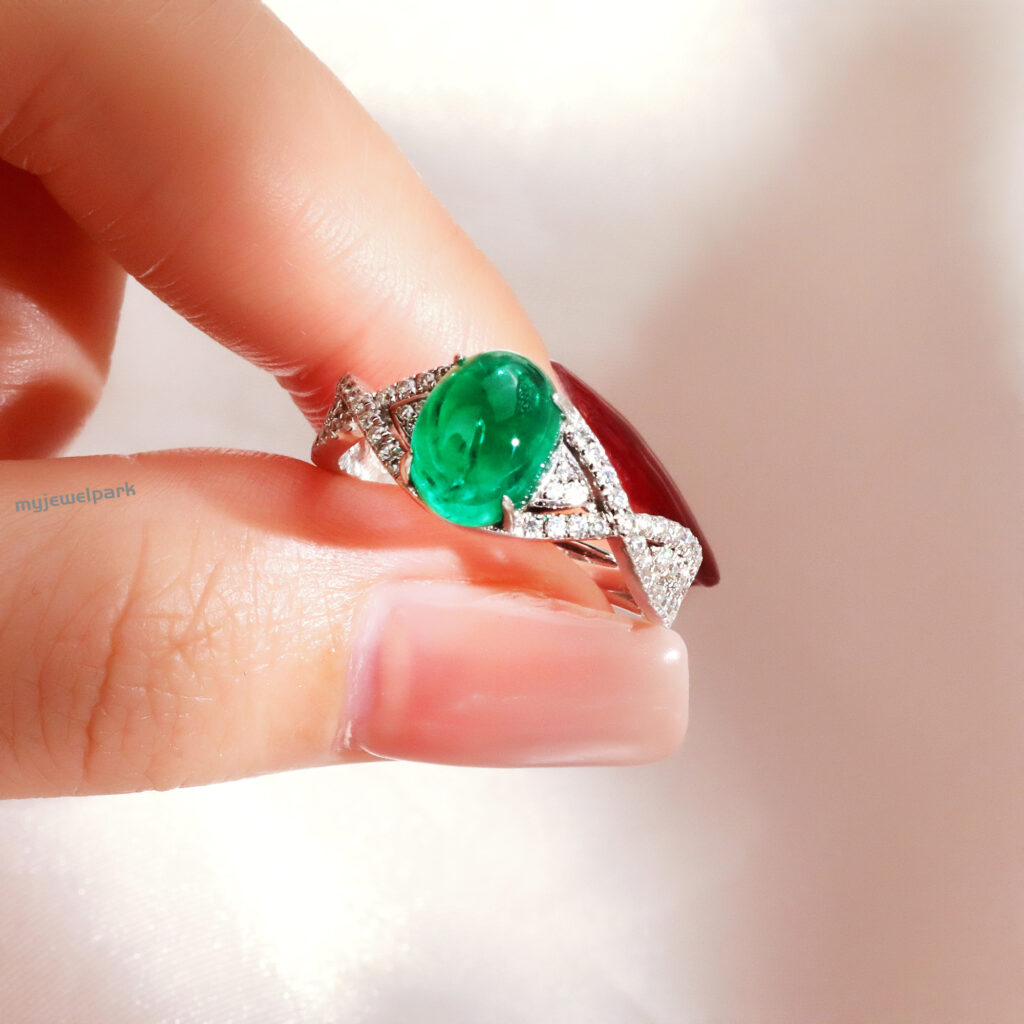
Brands such as Chatham have introduced cultivation methods that intentionally produce mossy textures, veils, and zoning. These features mimic the aesthetic of high-quality Colombian material without the unpredictability of oil or age-related degradation.
Collectors who once prioritized vintage now consider laboratory-grown options for their transparency—both visual and ethical. As one Reddit user put it, “I wanted an emerald I didn’t have to second-guess. My lab-grown one didn’t come from a mine, didn’t need oil, and didn’t come with a backstory I couldn’t verify.”
Documentation matters. So does trust. In a world where the word “untreated” carries weight, how that claim is proven has become part of the gem’s value.