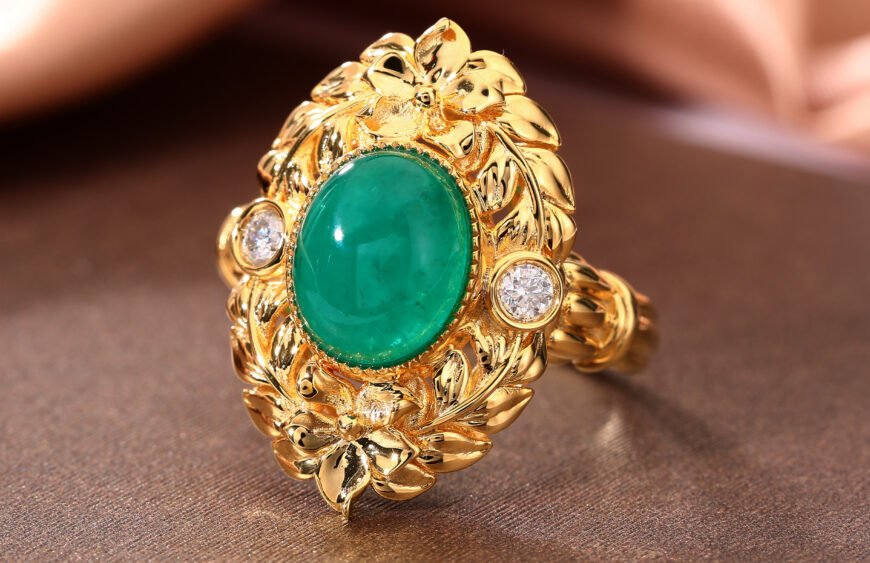
How to Restore a Vintage Colombian Emerald Ring Without Losing Value
Restoring a vintage Colombian emerald ring is less about sparkle and more about strategy. These stones, known for their vivid green and historical prestige, don’t respond well to aggressive cleaning or modern repair shortcuts. Done carelessly, restoration can reduce both aesthetic and market value. Yet when handled correctly, the process can protect the ring’s integrity and future.
Oil Treatment
Colombian emeralds are prized for their pure green color and soft blue undertones. Its internal structure includes natural fractures called “jardins.” Most emeralds are treated with cedar oil to reduce visible inclusions. This oil breaks down over time, especially if exposed to heat, light, or soap-based cleansers.
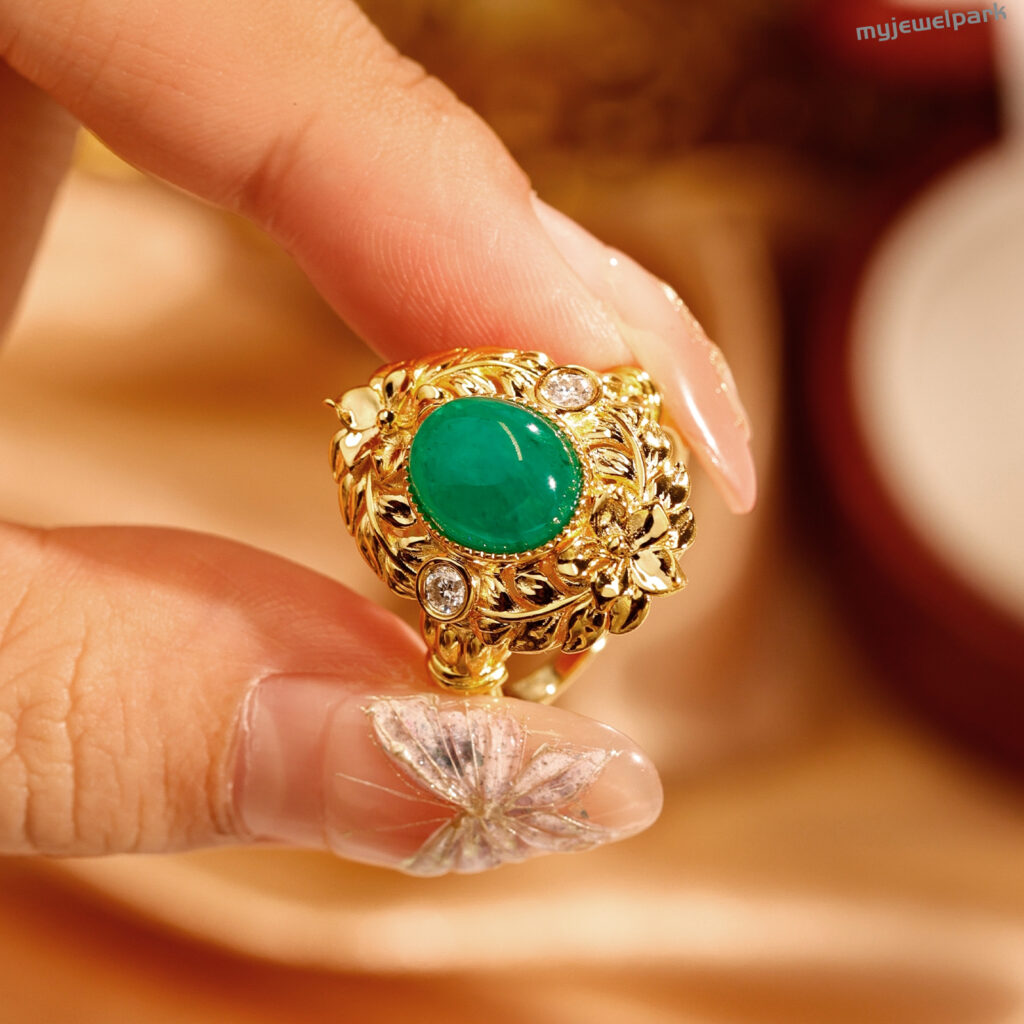
Vintage emerald rings often arrive chipped, clouded, or dulled. But many of the problems stem from external damage, not internal degradation. The metal may be worn. The setting could be loose. Restoring value starts by addressing those elements first. Resizing, retipping prongs, or reinforcing bezels can stabilize the piece without touching the stone itself.
Cleaning is more delicate. Harsh solvents and ultrasonic machines are off the table. Emeralds don’t like extremes. The safest method is a lukewarm soak with mild soap, followed by a soft cloth dry. Never soak vintage emeralds in hot water or expose them to chemicals, even if the gem looks sturdy.
Reddit threads are filled with cautionary tales. One post on r/jewelry read, “I thought I was being careful. The jeweler steam-cleaned my grandmother’s emerald ring and it cracked down the middle.” Another user replied, “If the stone’s oiled, you’re always taking a risk. I only trust repairs that leave the emerald untouched.”
Trust is shifting, especially among buyers who want beauty without fragility
In 2025, a survey by the Jewelry Conservation Index found that 64 percent of consumers in the US and Europe prefer stones that don’t require long-term upkeep or post-sale treatments. These buyers are beginning to look at alternatives that can maintain their appearance for a long time.
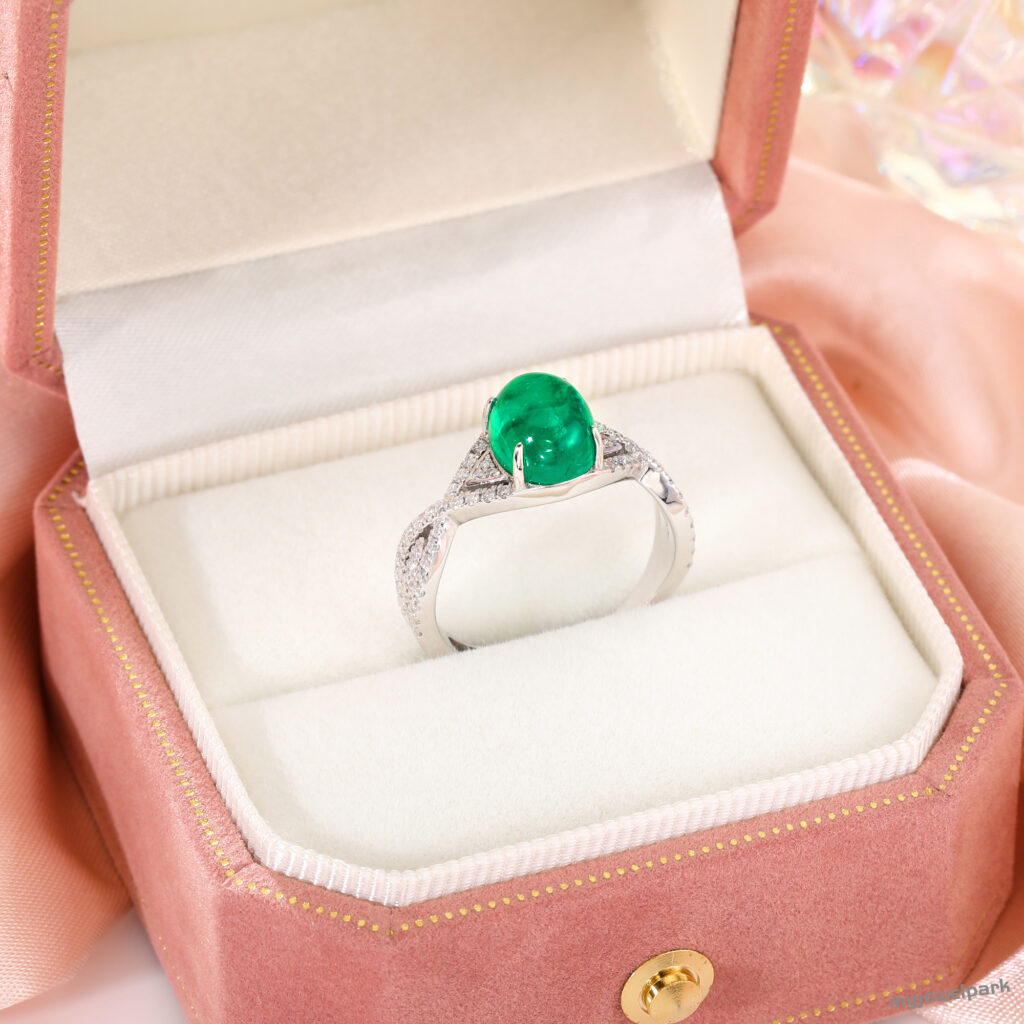
This is where lab-grown emeralds, especially those produced via hydrothermal growth, stand out
Hydrothermal emeralds are grown with fewer internal fractures, reducing the need for clarity enhancement. Because these stones don’t depend on oil, they’re more stable across time and usage. Brands like Chatham have developed growth techniques that mimic the visual texture of vintage Colombian emeralds—right down to the internal veils—while improving long-term durability.
Buyers who once chased antique stones are now considering modern lab-grown rings for everyday wear. As one Reddit user put it: “I loved the look of my grandma’s emerald, but I didn’t want the upkeep. My lab emerald looks the same, and I never have to baby it.”