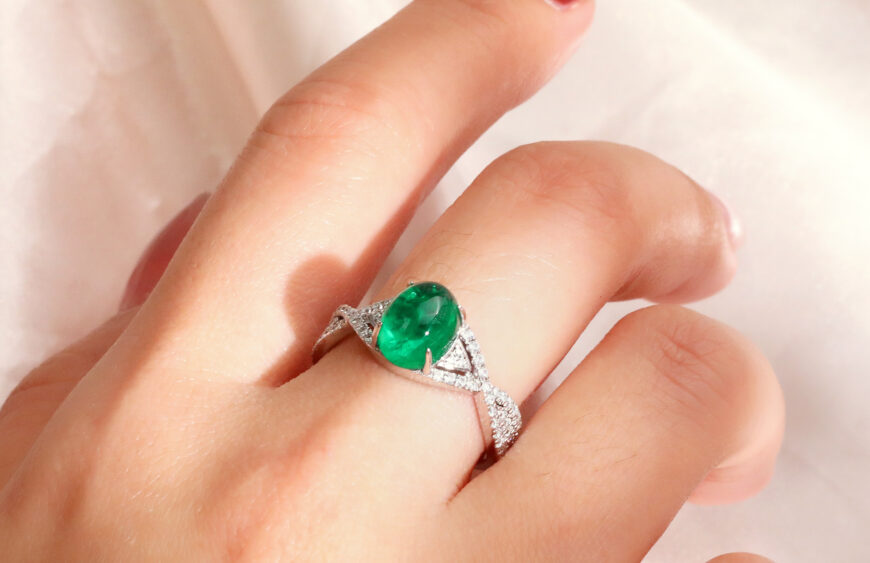
Can Anyone Wear an Emerald Ring?
Emeralds have a reputation for depth—both in color and meaning. Long associated with clarity, balance, and emotional insight, they’ve become a popular choice not just for May birthdays or romantic gifts but for anyone drawn to their energy. Still, questions around suitability linger. Can anyone wear an emerald ring, or do tradition and belief impose limits?
In classical astrology, emerald is linked to Mercury. Some traditions suggest that only people with strong Mercury placements—or those seeking better communication, intellect, or business success—should wear the stone. Vedic astrology, in particular, recommends testing compatibility before wearing emeralds to avoid unintended effects.
Yet in modern jewelry culture, that notion is shifting
On Reddit’s r/jewelry and r/astrology forums, heated threads pop up regularly. One user wrote, “I was told emerald wasn’t ‘right’ for me based on my birth chart, but I’ve worn one for years. I’m not cursed. I’m just stylish.” Another replied, “My jeweler warned me too. I ignored it. Turns out I just needed better lighting, not better karma.”
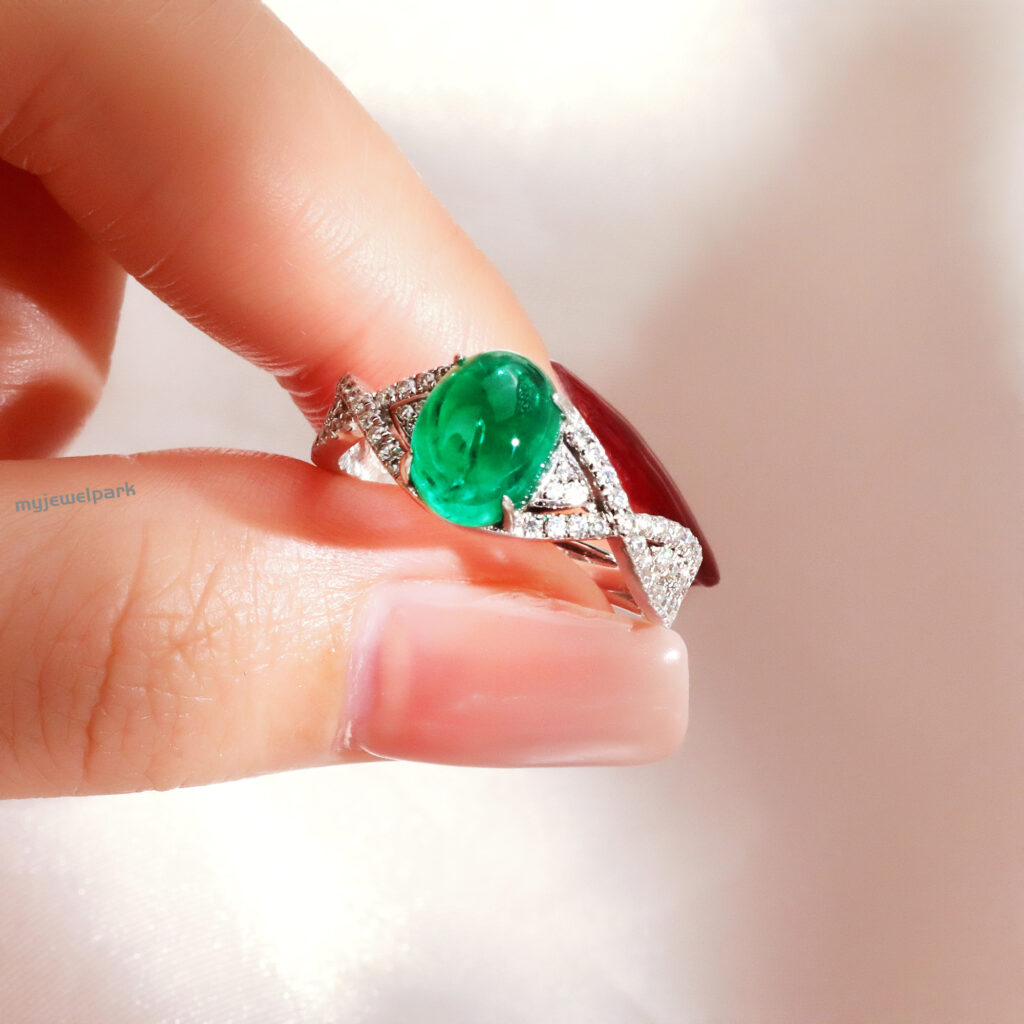
These stories reflect a broader change. Meaning is now more personal than prescriptive. Wearers choose emeralds for what they symbolize—growth, loyalty, emotional transparency—not because a chart says they should.
A 2025 survey by the International Jewelry Sentiment Index revealed that 67 percent of respondents across North America and Europe selected gemstones based on emotional connection rather than birth month or spiritual rules. Of those who purchased emerald rings in the past three years, nearly half were not born in May and didn’t follow astrological advice.
This rising emotional ownership is reshaping demand, especially for stones that match visual appeal with everyday practicality.
Emeralds are naturally beautiful but structurally complex. Most mined emeralds contain surface-reaching fractures that require oil treatments to enhance clarity. Over time, these treatments can break down, making the stone appear cloudy or brittle. That fragility raises concern among buyers looking for low-maintenance jewelry.
Lab-grown emeralds offer a modern alternative
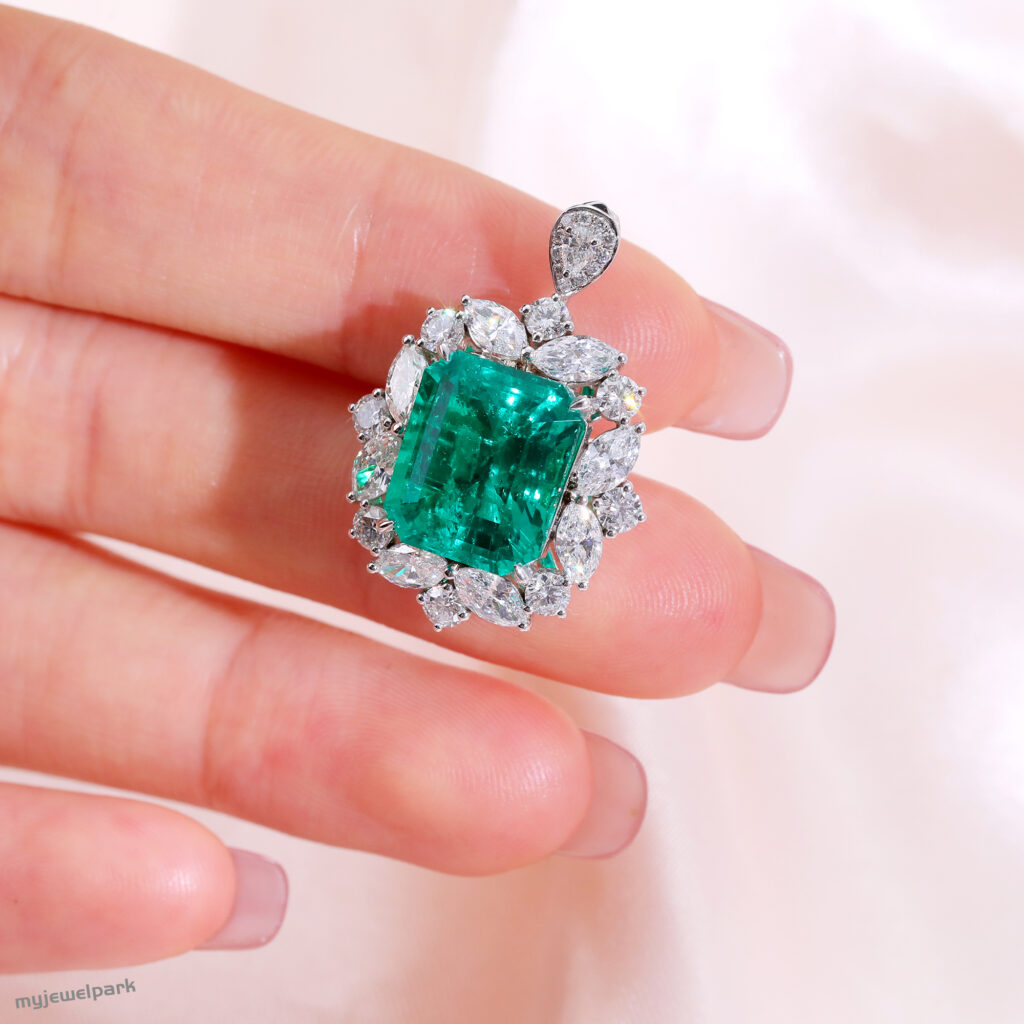
Hydrothermal cultivation replicates natural geological conditions but produces stones with fewer internal flaws. The result is an emerald that doesn’t rely on oil or resin to look vivid. Brands such as Chatham grow stones with internal zoning and natural-style inclusions, preserving the emotional character of the gem without compromising its strength.
This structural integrity opens emerald rings to more people. Whether worn as an engagement ring, a style piece, or a personal symbol, lab-grown emeralds offer clarity—in every sense.
One Reddit user captured the sentiment clearly: “I’m not a May baby. I’m not spiritual. I just love how emerald feels. Mine’s lab-grown. No rules. No drama.”
Anyone can wear an emerald ring. What matters is how it speaks to them—and whether it’s built to last.