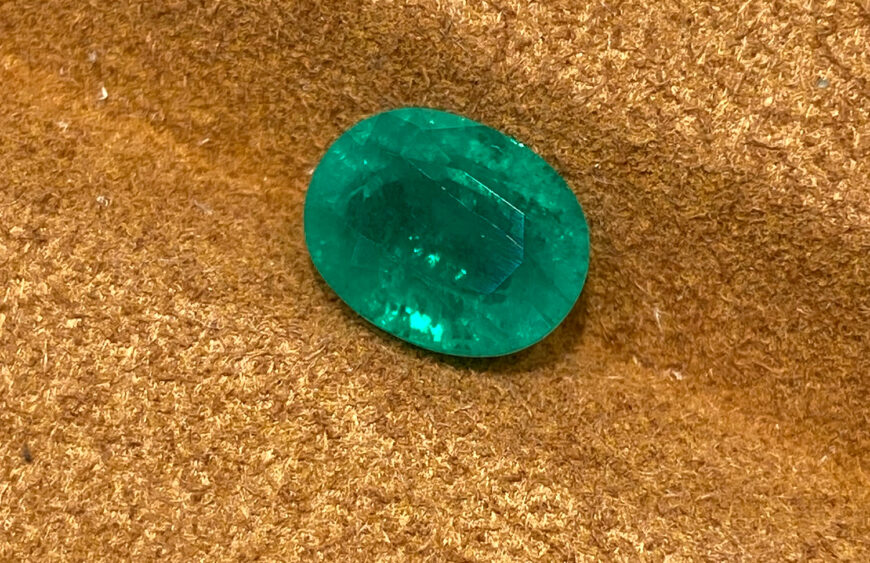
Why Is My Emerald Stone Turning White? Uncovering the Truth Behind Fading Gems
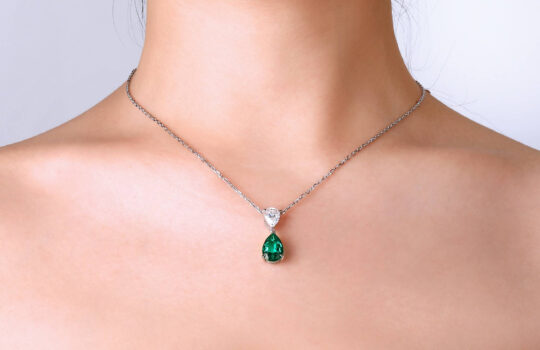
Emeralds are prized for their vibrant green color. But some owners notice that over time, the gemstones can show disturbing changes. For example, the color can start to turn pale, chalky, or even white in places. The phrase “why is my emerald stone turning white” has become a frequently searched concern on platforms like Google, Pinterest, and YouTube. The reason isn’t always damage or fraud. It’s the way natural emeralds are treated and how they react to wear and tear.
Emeralds are classified as soft gemstones
On the Mohs scale, emeralds typically rank between 7.5 and 8, which makes them vulnerable to scratches and exposure damage. Most natural emeralds have internal fractures or fissures. To improve clarity and appearance, the majority are treated with colorless oils or resins, often cedar oil. These fillers enhance transparency and mask cloudy areas—but the enhancement is temporary.
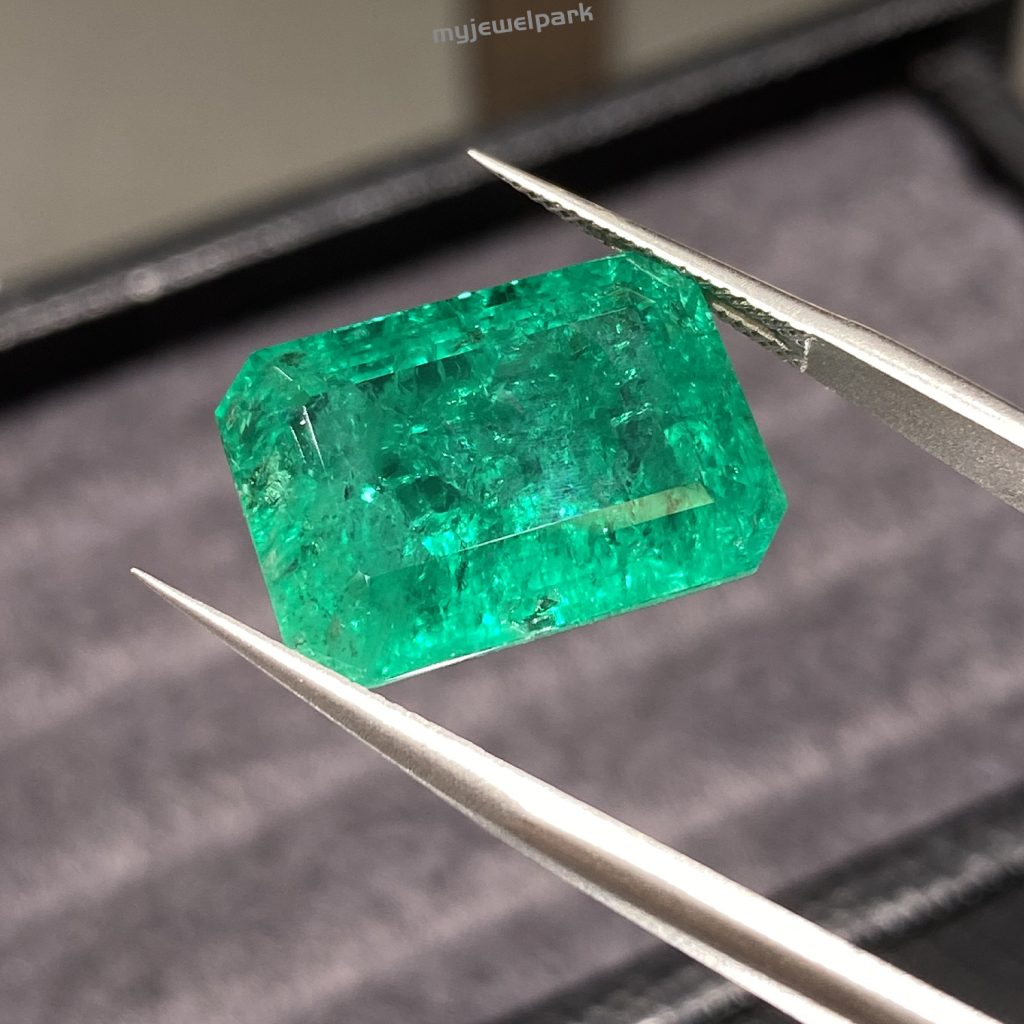
Over time, exposure to hot water, ultrasonic cleaning, or even dry air can cause the oil to degrade or evaporate. As a result, previously masked inclusions become visible again, giving the stone a lighter, hazier, or whitish tone. In some cases, household products like bleach or detergents seep into the surface fractures, worsening the effect. The issue is so common that one Reddit user posted, “My emerald ring turned milky after a few months. Did I get scammed?” That thread received over 400 replies, with responses ranging from gemstone care tips to heated arguments about whether real emeralds should ever change color.
On YouTube, videos titled “Why is my emerald turning white?” or “Real emerald turning pale—help!” often go viral. Viewer comments are split between frustration and disbelief. Some accuse sellers of passing off glass-filled stones as emeralds. Others counter that even top-grade emeralds can lose their luster without proper maintenance.
Gemological authorities back this up
According to a GIA lab bulletin, approximately 95% of natural emeralds are clarity-enhanced with oils or polymers. These treatments are not permanent, and gemologists recommend re-oiling every few years, especially for rings worn daily. The American Gem Trade Association also warns against ultrasonic or steam cleaning for treated emeralds due to the risk of leaching or thermal shock.
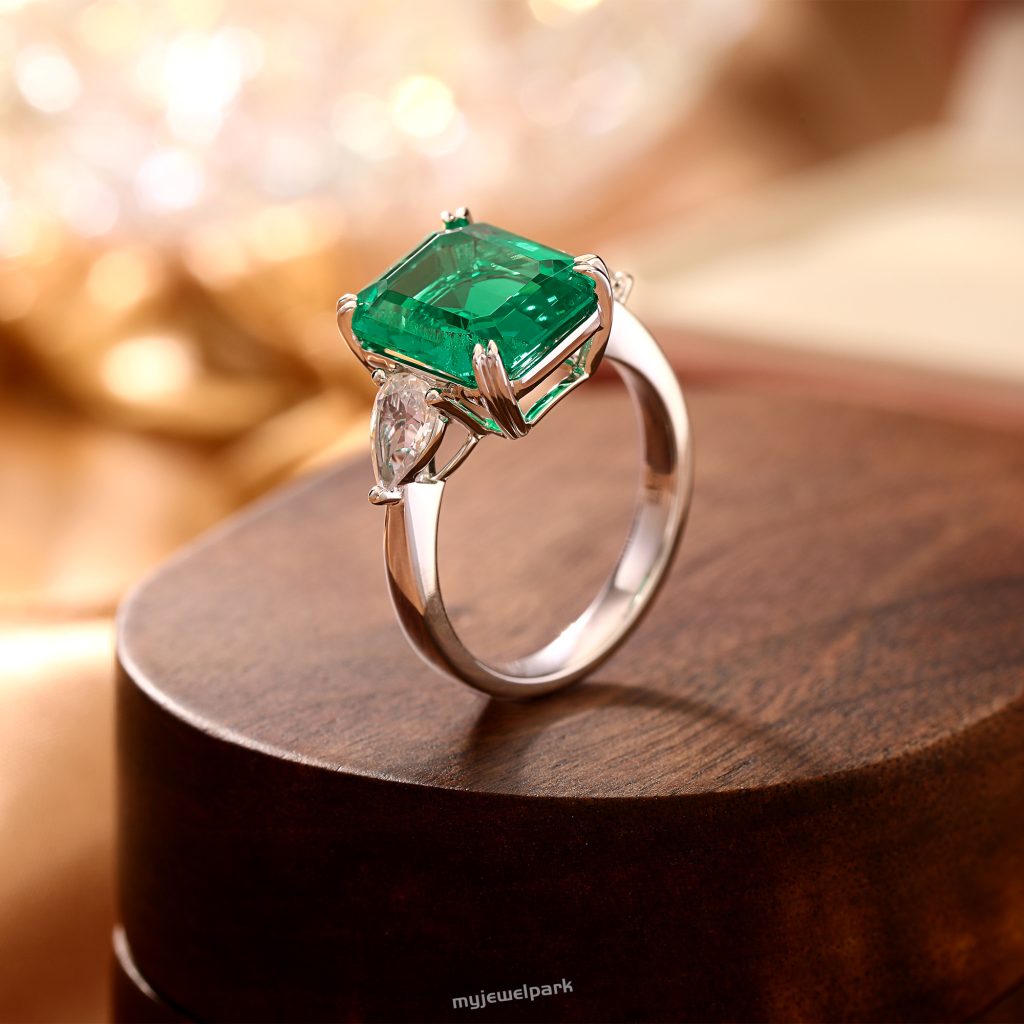
This recurring issue has sparked growing interest in lab-created emeralds. Unlike mined stones, lab-grown emeralds are cultivated in controlled environments, typically using hydrothermal or flux methods. The result is a gem that is not only chemically identical to natural emeralds but often more durable due to fewer internal fractures. This reduces the need for clarity treatments and makes the stone more resistant to environmental changes.
Sustainability plays a role as well. A 2023 McKinsey report noted that over 60% of consumers under 35 are willing to pay more for lab-grown gems with ethical sourcing and lower environmental impact. The clarity of lab emeralds also holds up better under daily wear, with fewer reports of fading or surface discoloration over time.
Emeralds turning white isn’t always a sign of fraud—but it is a symptom of how vulnerable natural stones can be to time and exposure. For those seeking lasting beauty with fewer maintenance concerns, lab-grown emeralds are proving to be more than a trend—they’re becoming a trusted alternative.