Can Lab-Grown Rubies Have Inclusions? Understanding Beauty, Belief, and Technology
“Can lab-grown rubies have inclusions?” is a question gaining traction among jewelry buyers and gemstone enthusiasts. With monthly search volumes rising across platforms like Google and Bing, the curiosity around lab-created rubies is no longer limited to specialists.
Rubies, whether natural or lab-created, belong to the corundum family
The key distinction lies in their formation. Natural rubies grow under high-pressure geological conditions deep within the Earth, often developing mineral inclusions or growth lines. These characteristics are considered proof of origin. Lab-grown rubies, in contrast, are created under controlled environments that replicate the natural process. Because of this, many assume lab rubies are flawless. That assumption is only partially true.
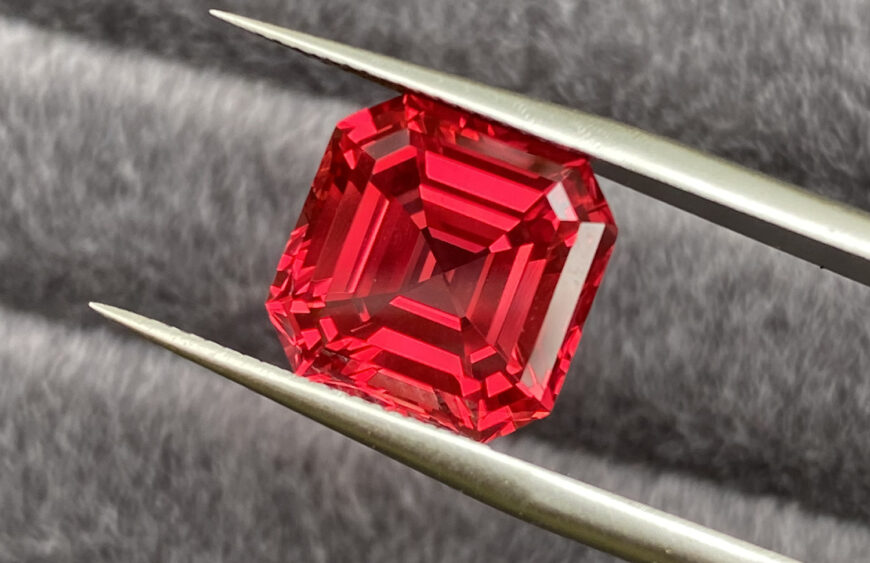
Lab-created rubies can, in fact, have inclusions

According to the Gemological Institute of America (GIA), the method of synthesis—whether flux, Verneuil, or Czochralski—can influence the type and visibility of internal features. Flux-grown rubies may contain particle-like residues from the growth medium, while flame-fusion varieties often display curved striae. These traits help gemologists distinguish origin, but they can also cause confusion for buyers who equate inclusions with imperfection or assume that only mined stones can be “real.”
Consumer discussions on platforms like Reddit’s r/jewelry and YouTube’s gem review channels show divided opinions. In a widely viewed Reddit thread titled “Are inclusions in lab rubies a red flag?”, some users argued that any visible inclusion should lower the stone’s value. Others pushed back, saying inclusions in lab-grown rubies provide proof they weren’t cheap simulants. On YouTube, comment sections under educational content from channels like GemTalk or Jewelry Nerd echo similar debates. “I bought a lab ruby with tiny bubbles inside. Now I’m not sure if it’s real or fake,” wrote one viewer, sparking hundreds of replies dissecting inclusions, growth marks, and even ethics.
Lab Grown Ruby Trends
Lab-grown rubies continue to grow in popularity, especially among buyers seeking clarity—both literal and metaphorical. A 2023 report from MVI Marketing found that 71% of consumers under age 35 are open to purchasing lab-created gemstones if full disclosure is provided. This shift reflects not only budget considerations but also transparency, sustainability, and trust. Lab rubies, while often cleaner than mined stones, still carry subtle growth fingerprints that distinguish them from synthetic imitations.
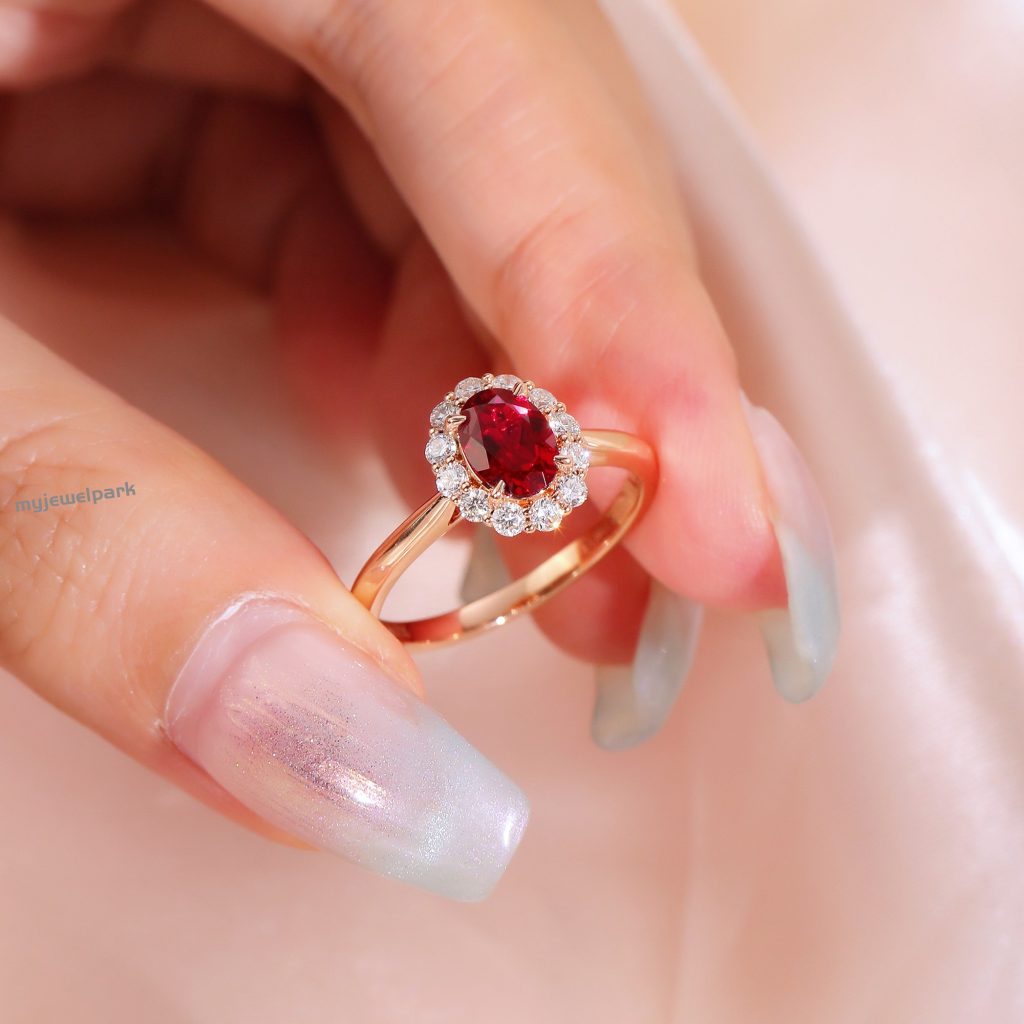
Importantly, these inclusions do not affect the chemical composition, durability, or overall brilliance of the stone. Buyers who are informed about the nature of laboratory growth can appreciate these internal features as part of the gem’s story. Many even prefer a few visible inclusions, which offer character and serve as identifiers.
In the growing market of ethical fine jewelry, lab-grown rubies offer traceability, environmental responsibility, and affordability without compromising beauty. The presence of inclusions is not a flaw, but a feature—one that bridges the science of gemstone creation with the expectations of a more conscious consumer.