What Is the Difference Between Russian Alexandrite and Brazilian Alexandrite?
Alexandrites are prized for their rare color-changing effect. While both Russian and Brazilian stones belong to the chrysoberyl family, their origin affects how they look, how much they’re worth, and how people view them.
Russian Alexandrite
Russian alexandrite, originally discovered in the Ural Mountains in the 1830s, is often considered the benchmark for quality. These early stones are prized for their vivid emerald-green hue in daylight and rich raspberry-red glow under incandescent light. Vintage Russian alexandrites have become collector’s items, often passed down through families or sold at auction.
Brazilian Alexandrite

Brazilian alexandrite entered the market much later, with significant finds emerging in the Hematita and Malacacheta regions during the 1980s and 1990s. These gems also display strong color change, but their hues may differ slightly. Brazilian stones often lean toward bluish-green in daylight and purplish-red in artificial light. While still stunning, some gem buyers on platforms like Reddit and Instagram note that the saturation in Brazilian stones is less dramatic than in Russian specimens.
This has led to ongoing debate in gem enthusiast forums. Some users believe Russian alexandrite is overhyped. They feel that top Brazilian stones offer great value, especially when well cut and clear. Others say Russian stones still lead in prestige and beauty. In YouTube reviews and comparison videos, viewers often focus on how the light reflects and the price difference. Many are surprised by how much the color shift can vary, even among stones from the same origin.
Trace element differences
One reason for this variability is that the gem’s appearance depends not just on origin but on trace elements like chromium and iron. Russian alexandrite typically contains higher chromium content, which contributes to its bold transformation. Brazilian alexandrite may contain more iron, subtly shifting its colors.
In a 2022 market analysis published by the International Colored Gemstone Association, consumer awareness of origin was found to influence purchasing decisions for 63% of alexandrite buyers. Provenance was especially important to collectors, while casual buyers tended to focus more on appearance and price.

Lab Grown Alexandrite
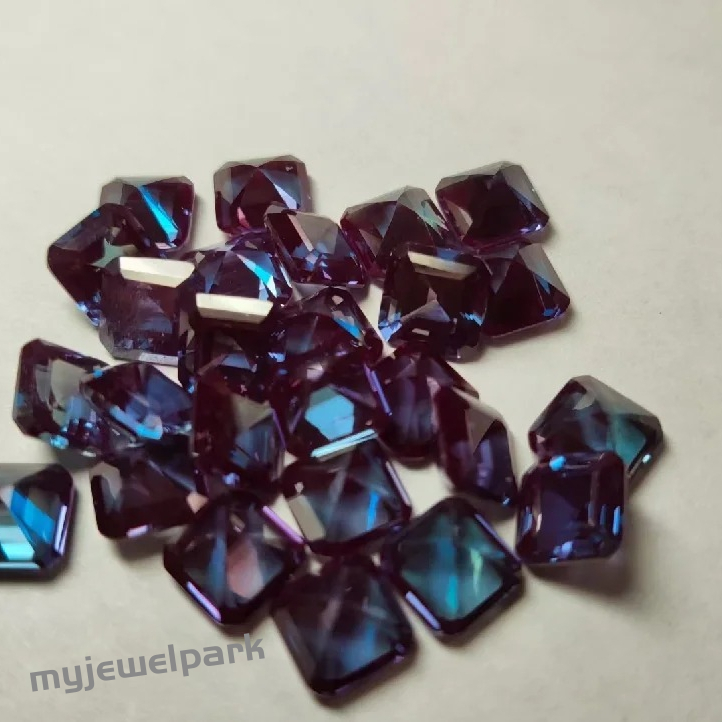
As supply of natural alexandrite dwindles, lab-created alexandrite has become an increasingly popular alternative. These stones match natural alexandrites in both chemistry and appearance. Thanks to controlled growth, their color change is often more vivid. Many are designed to mimic top Russian stones, showing deep green and bright red tones while being much more affordable.
Lab-grown options have become especially attractive to younger buyers interested in sustainability and affordability. Unlike many natural stones, which may come with ethical or environmental concerns, synthetic alexandrite is produced without mining. Retailers now often include lab-created alexandrite in engagement rings and statement pieces, marketing them as both visually striking and responsibly made.
While Russian and Brazilian alexandrites each carry unique appeal, lab-created alexandrite provides a practical and beautiful solution for those who want the magic of color change without the premium price tag.