Which One Is More Like a Diamond, Cubic Zirconia or Moissanite?
The Visual Illusion
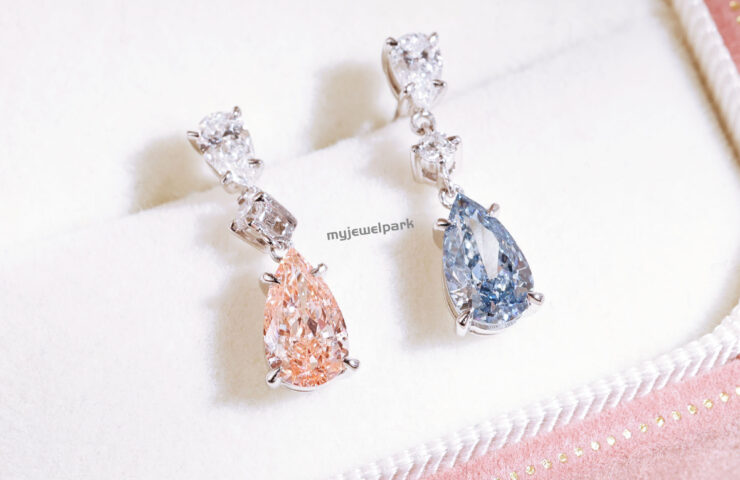
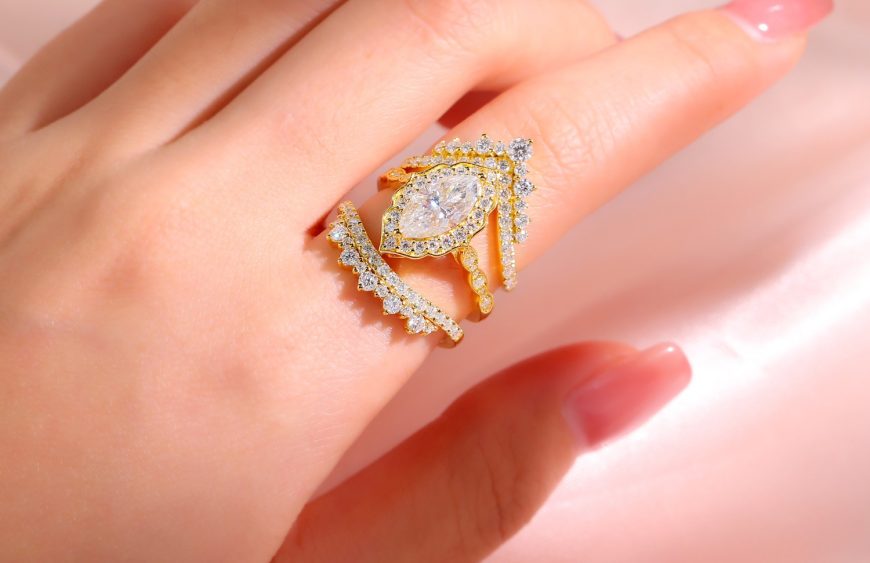
Walk into any jewelry store, and you’ll likely encounter a heated debate: moissanite or cubic zirconia—which mimics a diamond more convincingly? On Reddit threads like r/EngagementRings and countless TikTok comparison videos, consumers are divided. Some praise cubic zirconia for its ice-cold sparkle, while others swear moissanite looks more expensive. The truth is more complex.
Cubic zirconia (CZ) is a synthetic crystalline material made from zirconium dioxide. It’s optically flawless and inexpensive to produce. Its brilliance can seem diamond-like at first glance, but it often throws off rainbow-colored flashes in strong lighting, which many diamond purists consider unnatural. On the other hand, moissanite, originally discovered in a meteor crater, is made of silicon carbide and has a different light return. It disperses light more intensely than a diamond, which results in a fiery appearance—something that can either wow or turn off potential buyers.
A frequently shared YouTube clip from GemstoneGuru compares all three side-by-side. The comment section is telling. “Moissanite looks like a disco ball,” one user notes. Another counters, “At least moissanite doesn’t cloud over like CZ after six months.”
Hardness and Durability
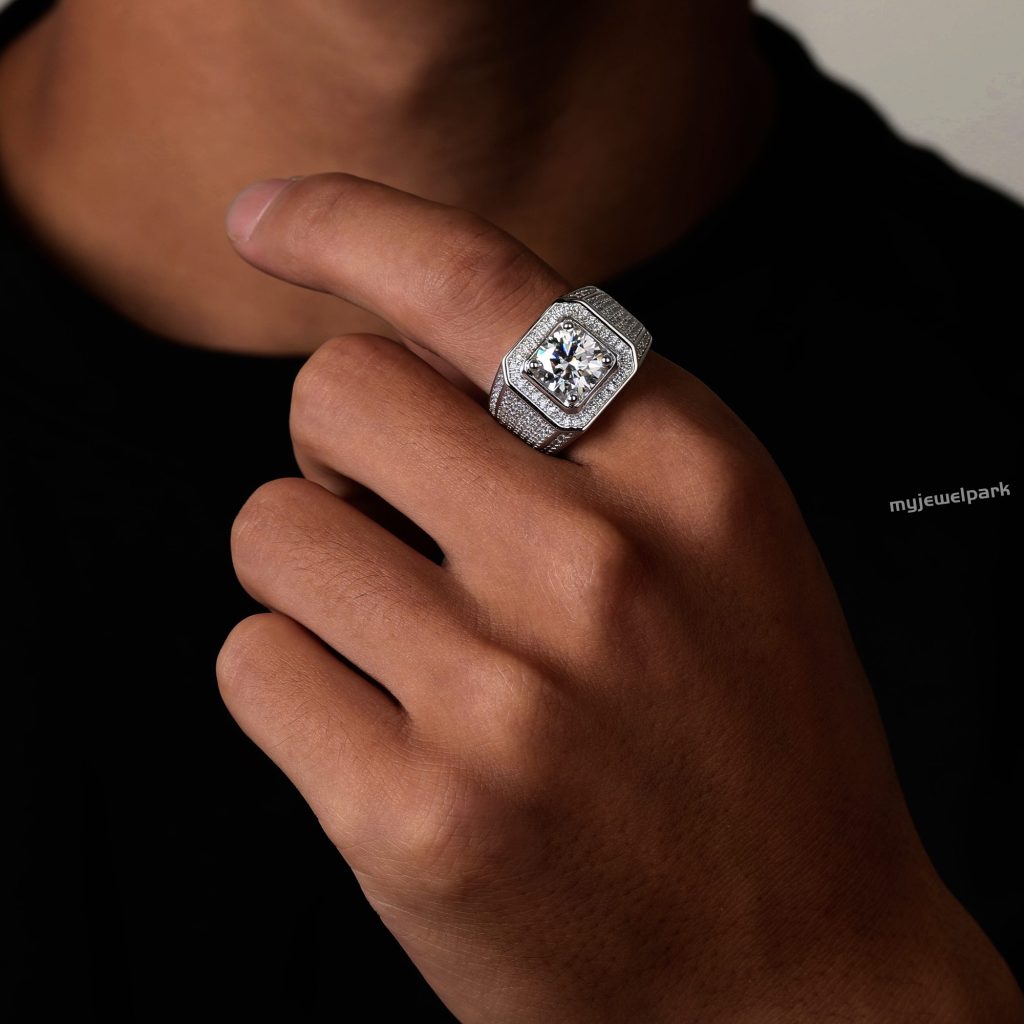
A diamond scores a perfect 10 on the Mohs scale of hardness. Moissanite follows closely at 9.25, while cubic zirconia trails at 8 to 8.5. This matters more than most realize. According to the Gemological Institute of America (GIA), daily wear erodes the surface of CZ, making it appear dull over time. Moissanite, in contrast, holds up much better to abrasions and scratching. Jewelers in high-traffic retail districts often report higher customer satisfaction with moissanite, especially for engagement rings worn daily.
Refraction and Realism
Diamonds have a refractive index (RI) of 2.42. Moissanite’s RI ranges from 2.65 to 2.69, while CZ falls between 2.15 and 2.18. Though moissanite overshoots on brilliance, under natural lighting it performs more like a diamond than CZ. The International Gem Society (IGS) states that CZ’s RI gives it a glassy look under scrutiny. In survey data from Statista in 2023, 43% of U.S. respondents said they could tell a CZ apart from a diamond “within seconds” in person. Only 16% said the same for moissanite.
Lab-Grown Diamonds Change the Game
For those who want something indistinguishable from a natural diamond, lab-grown diamonds have emerged as a strong contender. They share the same chemical composition, crystal structure, and optical properties as mined diamonds. Unlike moissanite or CZ, they aren’t imitations—they’re the real thing, just created in a lab instead of underground.
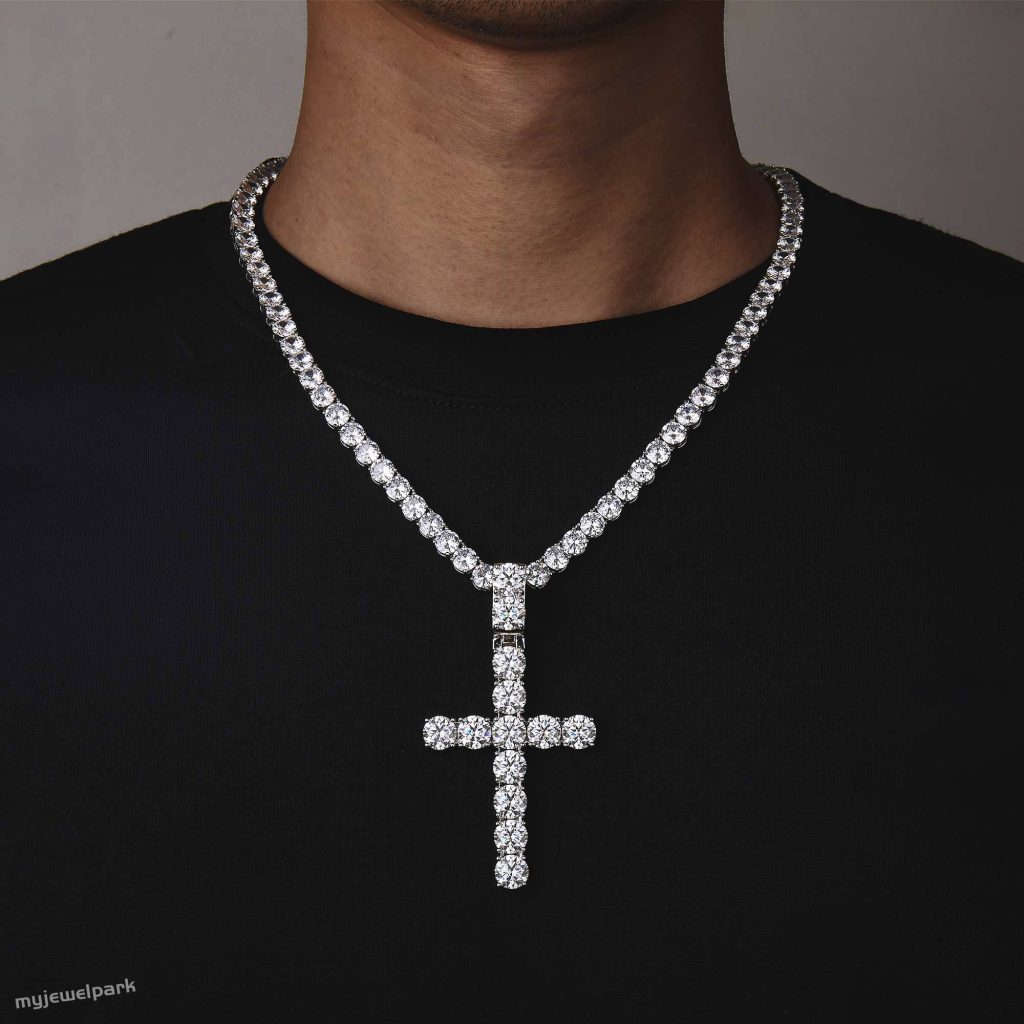
As awareness spreads, so does demand. A 2024 De Beers report noted that lab-grown diamond sales jumped 38% year-over-year. Prices have also dropped, making them more accessible without sacrificing quality. Many jewelers now offer full certifications from reputable labs like IGI or GIA for lab-grown stones, which wasn’t the case a decade ago.
The environmental footprint is also less severe. A 2022 report from Frost & Sullivan found lab-grown diamonds generate up to 60% fewer carbon emissions than mined stones. This eco-conscious edge resonates with Gen Z buyers, many of whom are increasingly mindful of sustainability.
Verdict
Cubic zirconia may win on cost, but falls short on realism and longevity. Moissanite offers better durability and a closer sparkle to diamonds, though its intensity is a giveaway for trained eyes. For those chasing authenticity without the mining, lab-grown diamonds are no longer the future—they’re the standard.