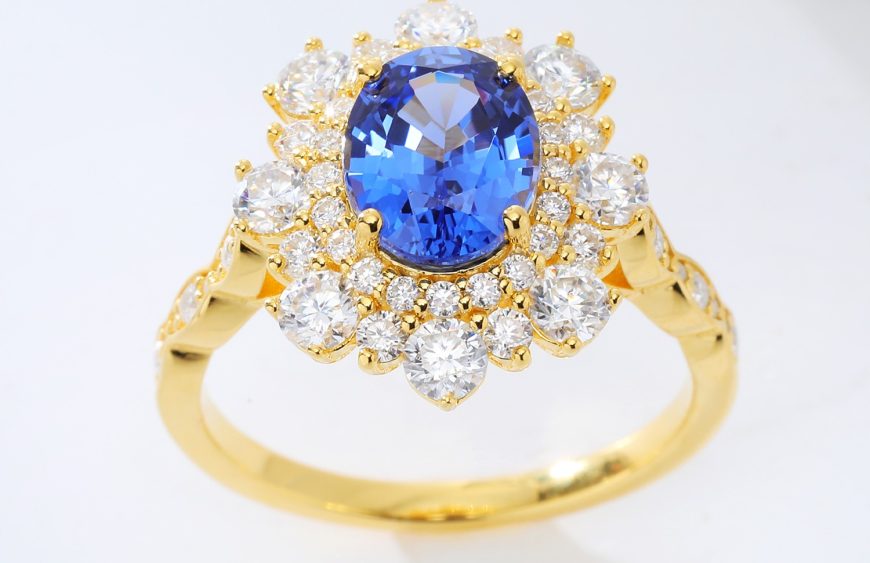
How Long Do Sapphire Rings Last?
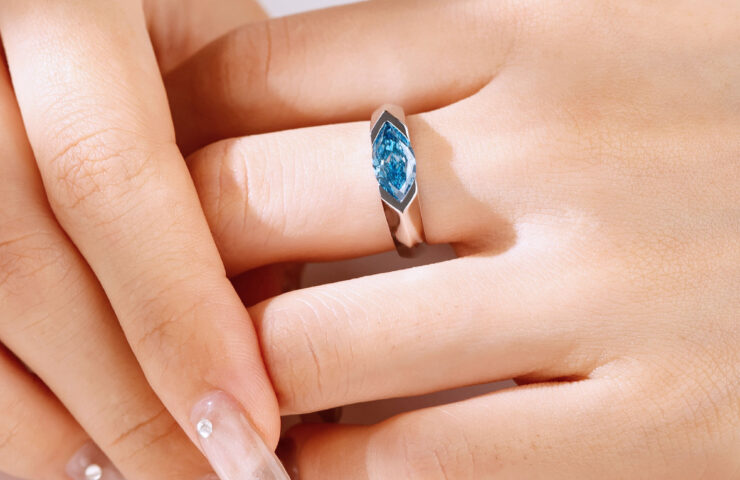
Sapphire rings are often chosen not just for their beauty but also for their durability. Known for their striking color and toughness, sapphires are second only to diamonds in hardness on the Mohs scale. This makes them a popular option for engagement rings and other jewelry worn daily. But many consumers still ask: how long do sapphire rings truly last?
Real-Life Wear and Long-Term Use
A sapphire ring can last for decades, even generations, when properly cared for. Sapphires resist scratches and most forms of wear, making them ideal for everyday use. However, they are not indestructible. Over time, the surface of a sapphire can show signs of wear such as small chips or a dulled polish, especially if the ring is worn during manual tasks. Jewelry repair professionals report that many sapphire rings begin to show visible wear after 10 to 15 years of continuous use without regular maintenance.

Even so, the lifespan of a sapphire ring is largely affected by how it is handled. A 2022 consumer report by the Gemological Institute of America (GIA) found that over 65% of sapphire ring owners who regularly removed their rings before physical activities saw little to no gemstone damage after 20 years. This supports the idea that proper care plays a bigger role than the stone’s origin or size in long-term durability.
Public Opinions and Online Debate
Despite the scientific data, opinions among consumers remain divided. On forums like Reddit and Quora, sapphire ring owners often disagree about how much wear a ring can realistically take. In one widely discussed post, a user claimed their sapphire ring showed cracks within three years, while others responded with experiences of pristine rings after decades. The debate often turns toward whether the quality of the sapphire or the craftsmanship of the setting is to blame.
Popular YouTube videos from jewelry influencers add to the conversation. Some suggest that lower-quality sapphires, particularly those not certified or improperly set, are more prone to damage. Others argue that no gemstone should be expected to endure harsh daily wear without signs of aging. The mixed feedback highlights the importance of quality sourcing, professional setting, and responsible daily use.
Advantages of Lab-Grown Sapphires
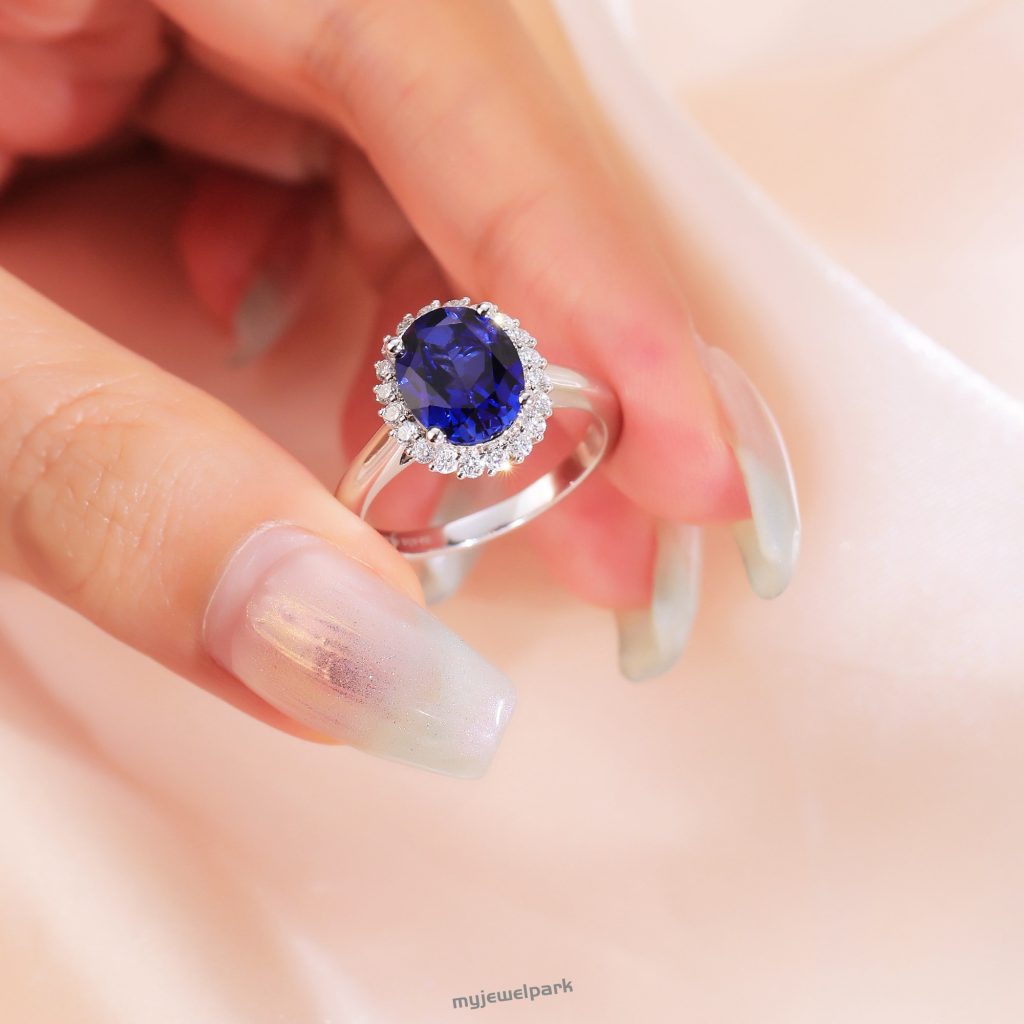
A growing number of consumers are now turning to lab-grown sapphires, which offer the same hardness and chemical structure as natural ones. They are not imitation stones. They are real sapphires, created in a controlled environment that eliminates many of the flaws and inconsistencies found in mined stones. This often results in a more stable crystal structure, which can enhance durability over time.
Lab-grown options also carry ethical and environmental advantages. A 2023 survey by the National Jeweler Association revealed that 42% of buyers aged 25 to 40 now prefer lab-grown sapphires because they avoid the environmental damage linked to mining. These stones are also more affordable, allowing consumers to invest in higher-quality settings and better overall craftsmanship.
For those looking to own a sapphire ring that lasts, lab-grown sapphires offer a strong alternative. They deliver both durability and beauty, with the added benefit of ethical sourcing. With proper care and mindful use, these rings can remain in excellent condition for decades, standing the test of time just as well as their mined counterparts.