What Is the Difference Between Treated and Untreated Emeralds?
Emeralds are admired for their rich green color and natural inclusions, but not all emeralds reach the market in their original state. Many undergo treatments to enhance clarity or appearance. Understanding the difference between treated and untreated emeralds is important for both collectors and buyers who value transparency in sourcing and pricing.
How Treatments Affect Emeralds
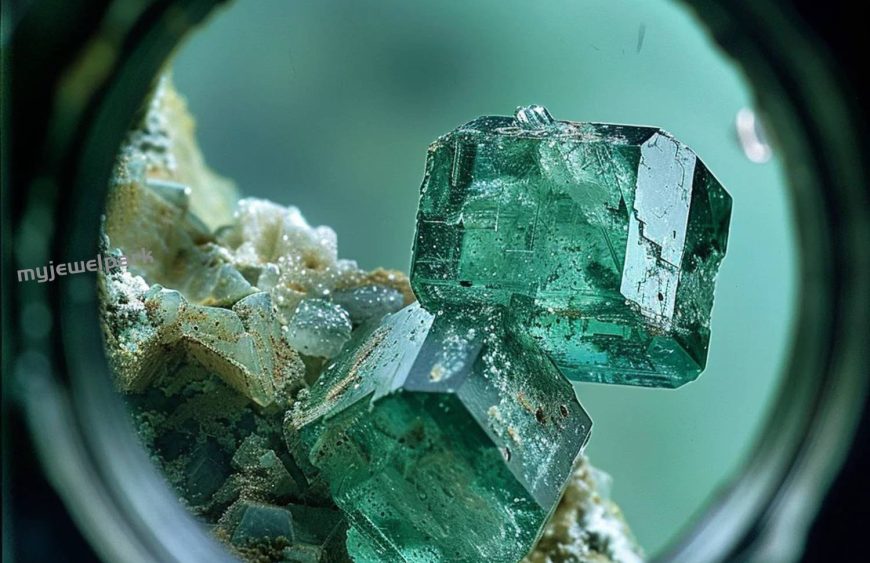
Most emeralds contain internal fractures known as fissures. These naturally occur during formation and are part of what makes each emerald unique. However, visible fractures can reduce the stone’s clarity. To improve appearance, many emeralds are treated with oils, waxes, or polymers. The most common method involves filling surface-reaching cracks with cedarwood oil. This reduces the visibility of inclusions and creates a smoother look under light.
Some treatments use synthetic resins or colored fillers. While effective in masking imperfections, these materials may fade or discolor over time. High heat, direct sunlight, or exposure to cleaning chemicals can weaken the stability of these enhancements. The Gemological Institute of America reports that more than 90 percent of emeralds on the market are treated to some degree.
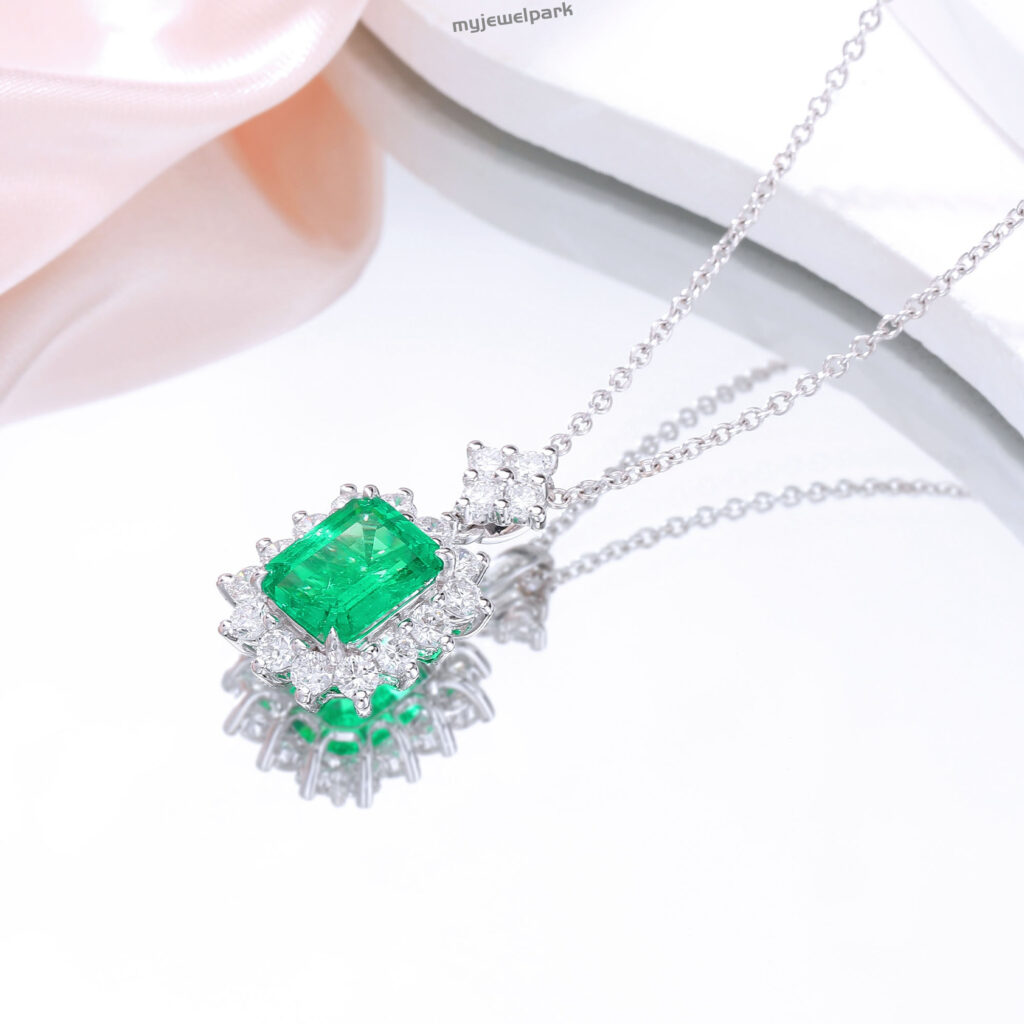
Untreated emeralds, by contrast, are far more rare. These stones are valued for their natural state and often show visible inclusions and surface features. While untreated emeralds may appear less “clean,” they hold higher value for collectors who appreciate unaltered gems. Certification from a reputable lab is usually required to verify untreated status.
Online Opinions and Buyer Confusion
In online communities like Reddit and PriceScope, discussions about emerald treatment are common. One user posted side-by-side images of a treated and untreated emerald, asking for advice on which to choose. Some users praised the untreated stone’s authenticity, calling its flaws part of its identity. Others preferred the smoother look of the treated gem and questioned whether natural status justified the price increase.
On YouTube, gem reviewers show how treated emeralds can appear brighter but often lack the depth seen in untreated stones. Comments on these videos reflect a wide range of views. Some viewers express frustration at how little disclosure exists in the retail space. Others say they don’t mind treatment as long as the price is fair and the process is disclosed.
The debate often centers on expectations. Buyers who want visual perfection lean toward treated emeralds, while those who value origin and rarity often prefer untreated stones, even if they look less refined.
The Role of Lab-Grown Emeralds
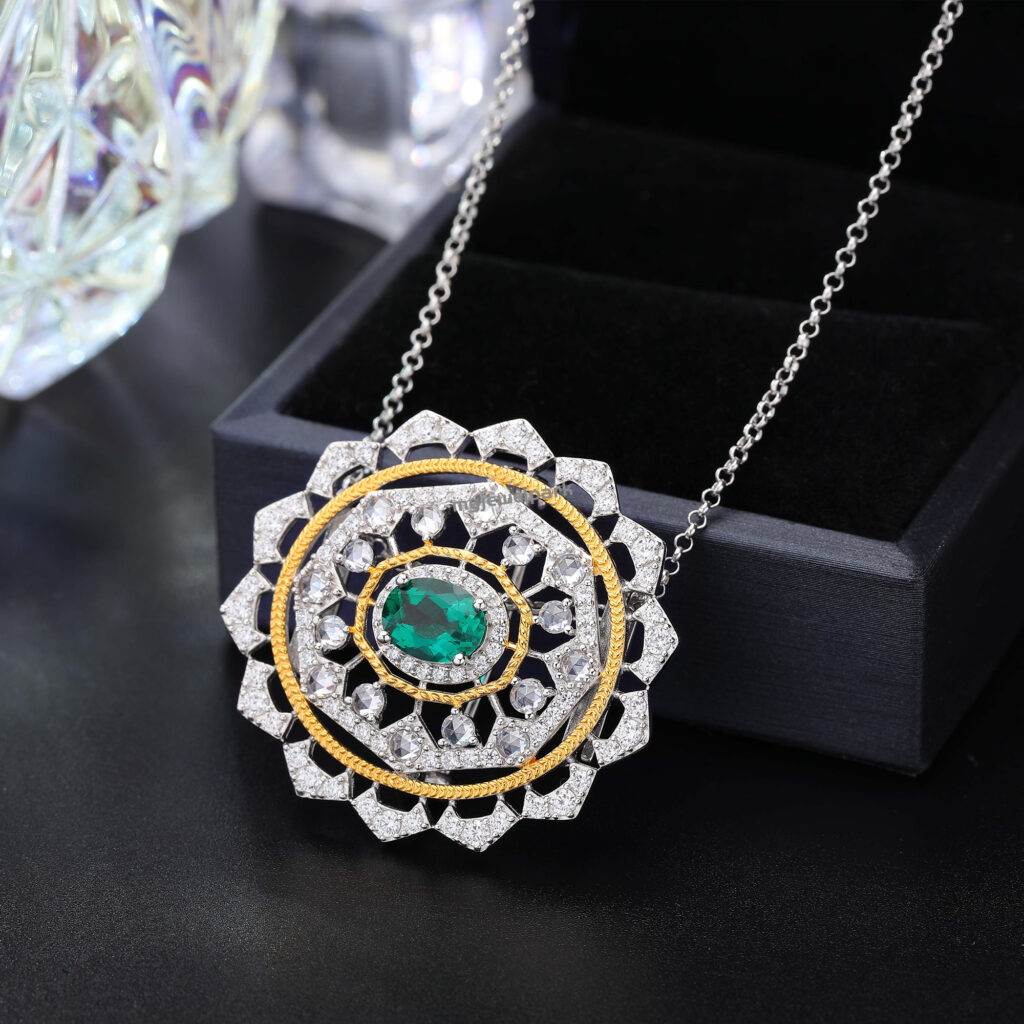
Lab-grown emeralds now offer an alternative that combines clarity, structure, and ethical sourcing. These stones are grown using natural seed crystals and replicate the pressure and temperature conditions of Earth. As a result, lab emeralds develop real inclusions, cream bodies, and internal growth features similar to natural emeralds.
Some cultivated emeralds even show fissures and surface-reaching cracks, mimicking the look of high-quality mined stones. However, because the growing process is controlled, these features occur in a more predictable and stable pattern. There is no need for heavy treatment, and any clarity enhancement is usually minimal and fully disclosed.
A 2023 study from the Gemmological Association of Great Britain reported that 57 percent of consumers under 40 would choose lab-grown emeralds if full composition and treatment details were provided. Many cited trust, cost, and appearance as their top concerns.
Lab-grown emeralds offer a way to enjoy natural beauty with fewer unknowns. For buyers seeking a balance between visual appeal and authenticity, they provide a clear and consistent choice.