Which Shape of Emerald Is Good?
The shape of an emerald does more than define its look. It also affects how light moves through the stone, how visible its inclusions are, and how much of the original rough was preserved during cutting. Some shapes enhance the gem’s natural depth, while others focus on sparkle. Choosing the right shape often comes down to visual preference, practicality, and how much weight buyers place on clarity versus color.
Popular Shapes and What They Reveal
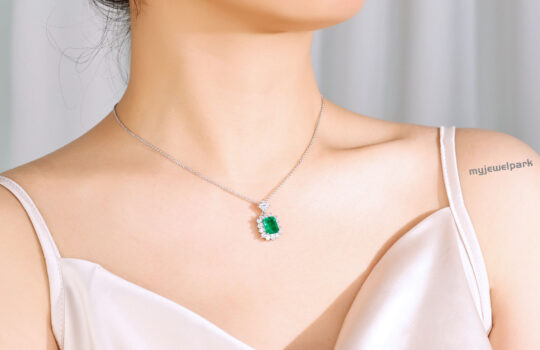
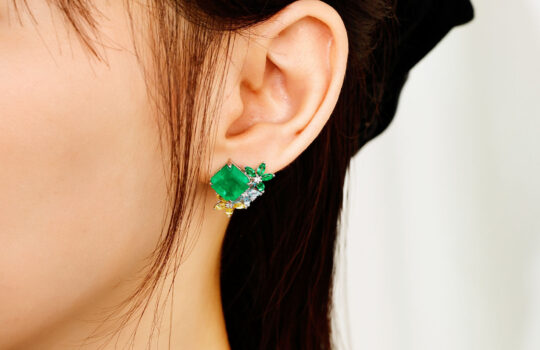
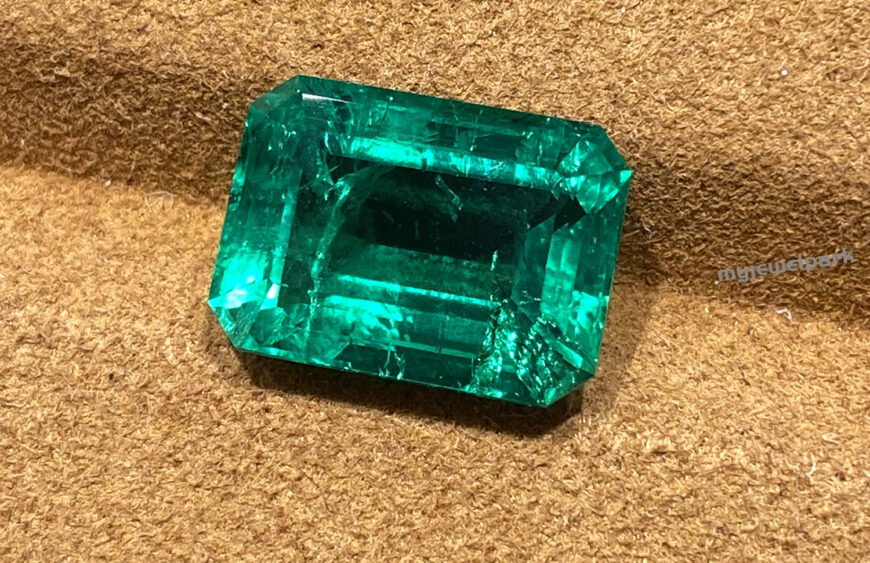
The emerald cut is the most recognized shape for this gemstone. It features rectangular facets that step down in layers, emphasizing the stone’s clarity and tone. This cut highlights color and gives the gem a sleek, classic look. However, the open table also exposes any internal inclusions. Because of this, only higher clarity stones are selected for emerald cuts, which can raise the price.
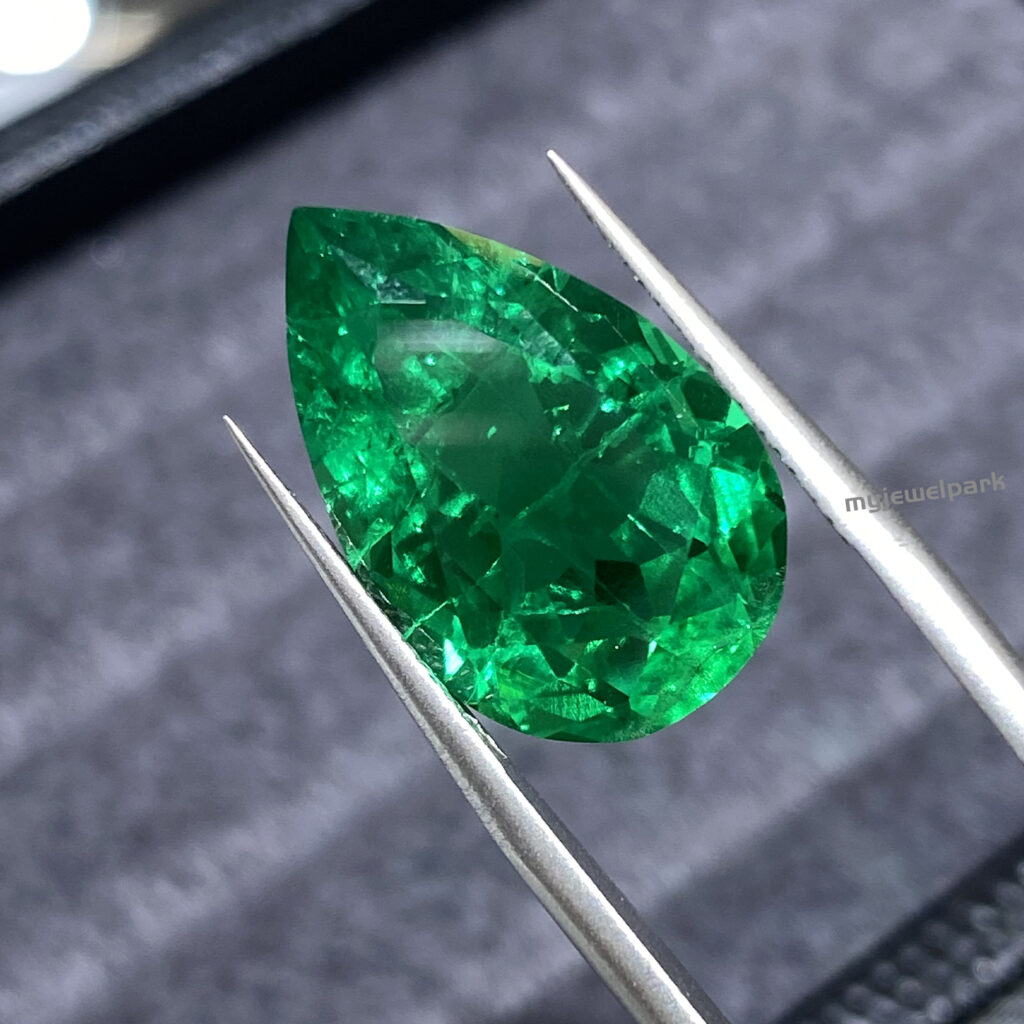
Oval and pear shapes are also popular. These cuts tend to mask inclusions better than emerald cuts and reflect more light, giving the stone extra brilliance. Round emeralds are less common due to high rough loss during cutting. Many cutters avoid them unless the rough material is clean enough to justify the waste. Cushion cuts offer a balance between color presentation and durability, with slightly rounded corners that reduce chipping risks.
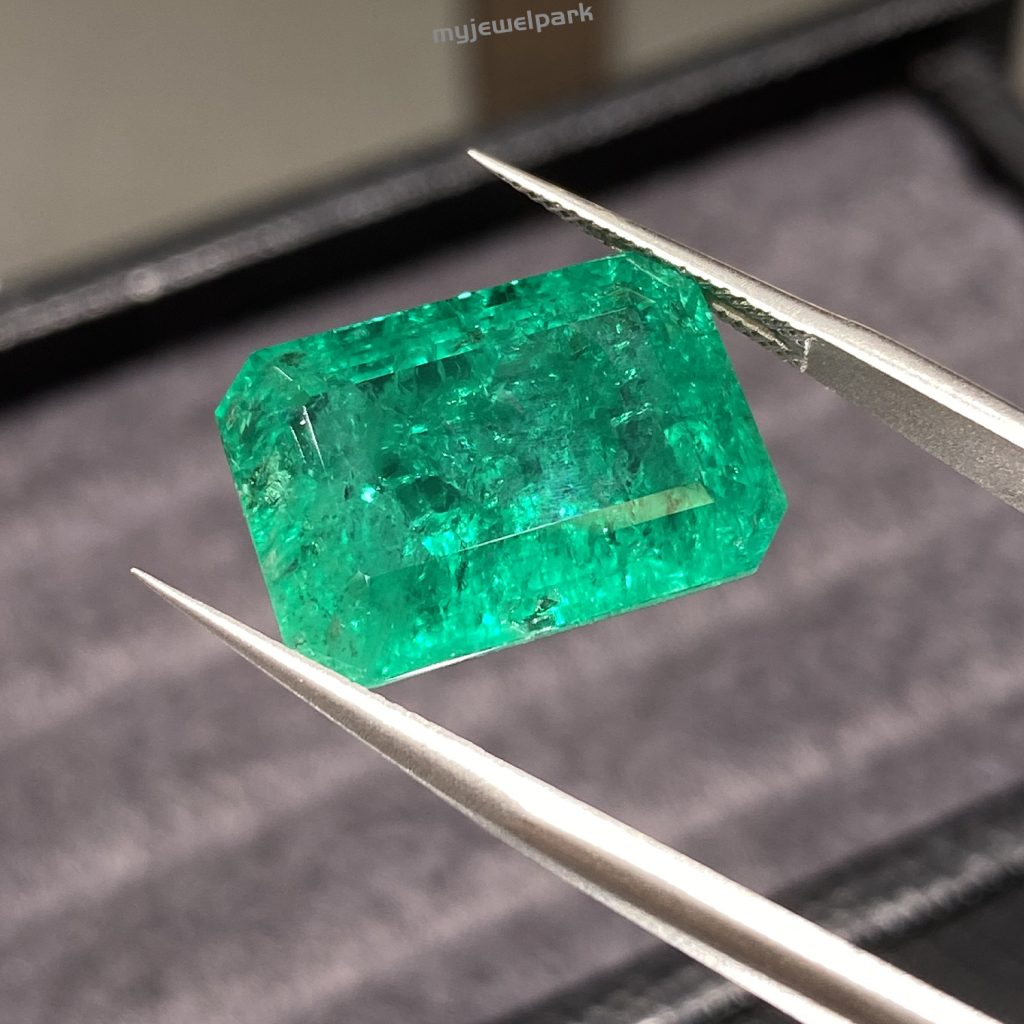
In online forums like Reddit and PriceScope, users often debate which shape is the most flattering. One discussion showed side-by-side photos of the same emerald cut into different shapes. Some users preferred the clean symmetry of the emerald cut. Others leaned toward the oval version, saying it looked more modern and forgiving of internal flaws. A few commenters argued that pear shapes felt too delicate or uneven, especially in ring settings.
YouTube gem reviewers have added to the conversation. Videos comparing light reflection across different cuts reveal how the same emerald can look drastically different based on shape alone. The comment sections are filled with opinions. Some viewers say brilliance matters most. Others believe that a shape which conserves the most of the original stone is the best choice.
Why Lab-Grown Emeralds Offer More Options
Lab-grown emeralds are changing how people choose shape. Because they are created in controlled environments using natural seed crystals, they offer more flexibility in cutting. These emeralds often form with fewer structural weaknesses, allowing cutters to experiment with shapes that would be risky with fragile natural material.
Some lab-grown emeralds even feature cream bodies, fissures, and growth patterns that closely resemble mined stones. The difference is that these features occur with more consistency. As a result, shapes like round and pear, which are more difficult to cut from natural rough, become more viable without compromising stability.
A 2023 survey from the International Gemological Institute found that 55 percent of buyers under 40 preferred lab-grown emeralds when shopping for fancy shapes. Many cited durability, ethical sourcing, and value retention as top factors in their decision.
For buyers who want variety in shape without sacrificing structure, lab-grown emeralds offer reliable beauty with fewer restrictions. They open the door to cuts that celebrate both craftsmanship and creativity.