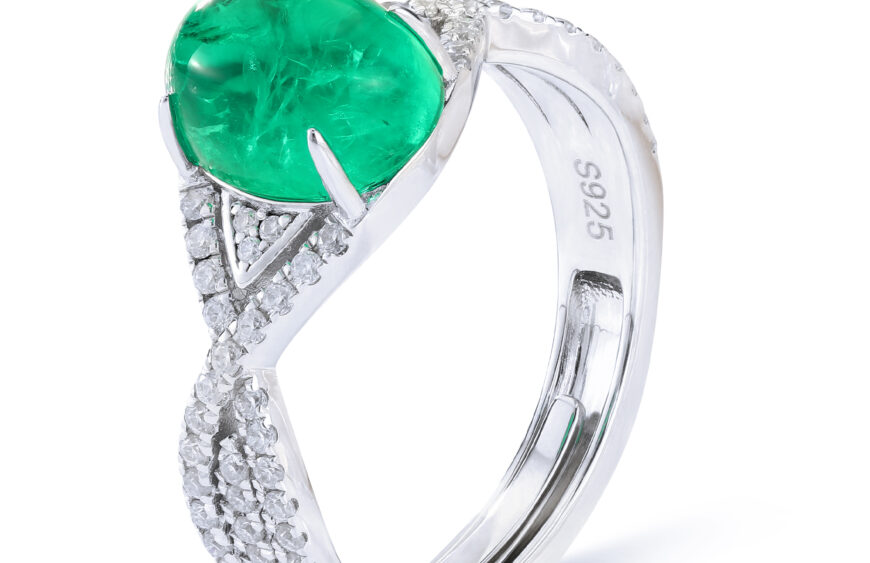
What Is the Difference Between Ethiopian Emeralds and Colombian Emeralds?
Emeralds from Ethiopia and Colombia share a captivating green hue, yet they differ in origin, composition, and how the market values them. From elemental makeup to consumer debates, understanding these distinctions helps buyers navigate this complex gemstone world with clarity.
Geological and Visual Differences
Colombian emeralds form in hydrothermal veins within black shale and are valued for their pure verdant tone and complex inclusions. These inclusions, often jagged multiphase features or growth patterns, serve as telltale signs of natural origin. Colombia dominates the global market, supplying between 70 and 90 percent of the world’s emeralds.
Ethiopian emeralds come from alkaline pegmatitic environments. They often show higher clarity and a distinctive chemical signature, including elevated iron, chromium, and vanadium levels, along with increased alkali metal content like lithium and cesium. Some gemologists note that high-clarity Ethiopian emeralds can appear strikingly clean without oil treatment, unlike Colombian examples that often rely on oiling or resins for clarity enhancement.
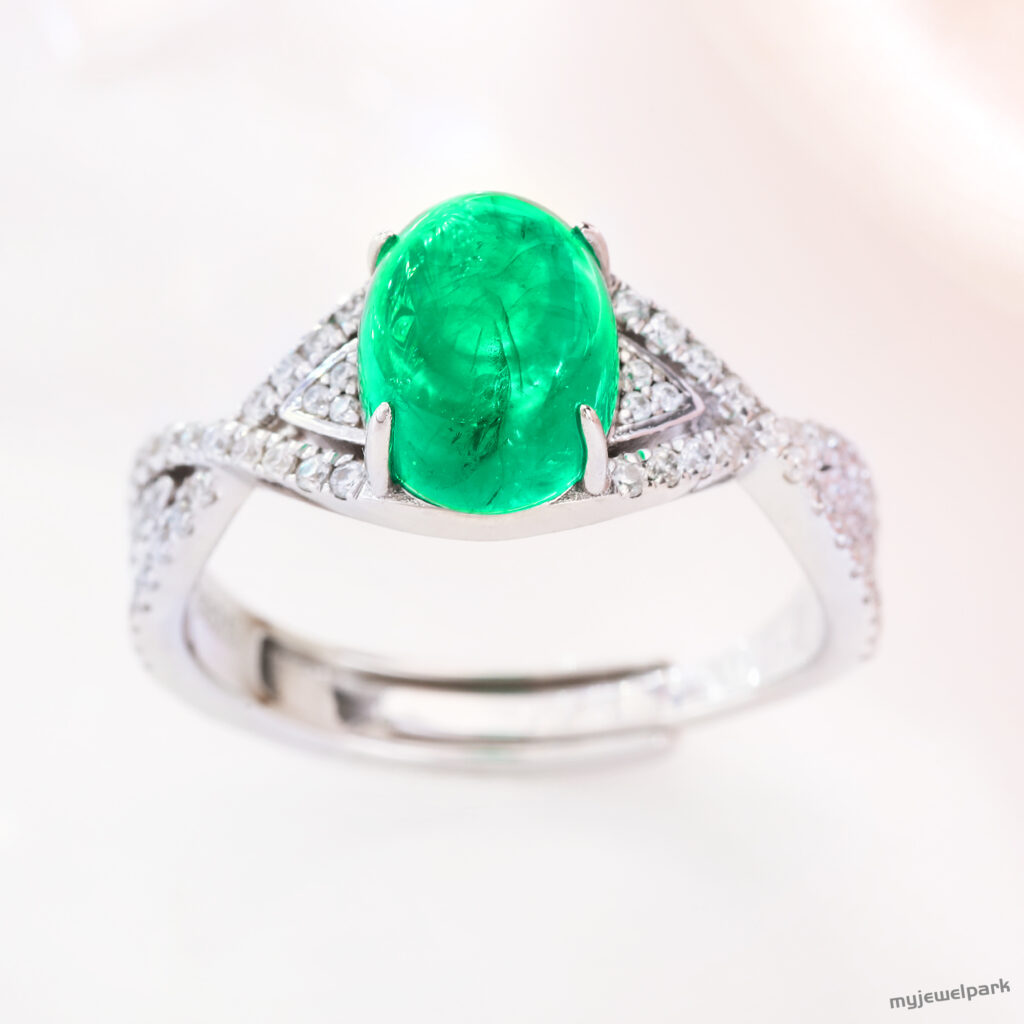
Diverging Consumer Perspectives
Online discussions highlight a range of consumer sentiments. On Reddit, one user rated Ethiopian emeralds as the finest emeralds out there, citing their iridescent quality and clear tone. Conversely, many collectors insist Colombian stones carry a premium. One user commented that even when non-Colombian pieces matched in color, they remained more affordable than Colombian emeralds.
These debates reflect the tension between tradition and innovation. Some buyers prize the historic prestige and vibrant depth of Colombian stones. Others are drawn to the transparency and value of fresh Ethiopian finds.
The Lab Grown Alternative
Lab grown emeralds are shifting the conversation. These gems use natural beryl seed crystals grown under controlled conditions to mimic natural formation. They can replicate inclusions, internal zoning, or even subtle cracks, creating visually rich gemstones with fewer structural weaknesses.
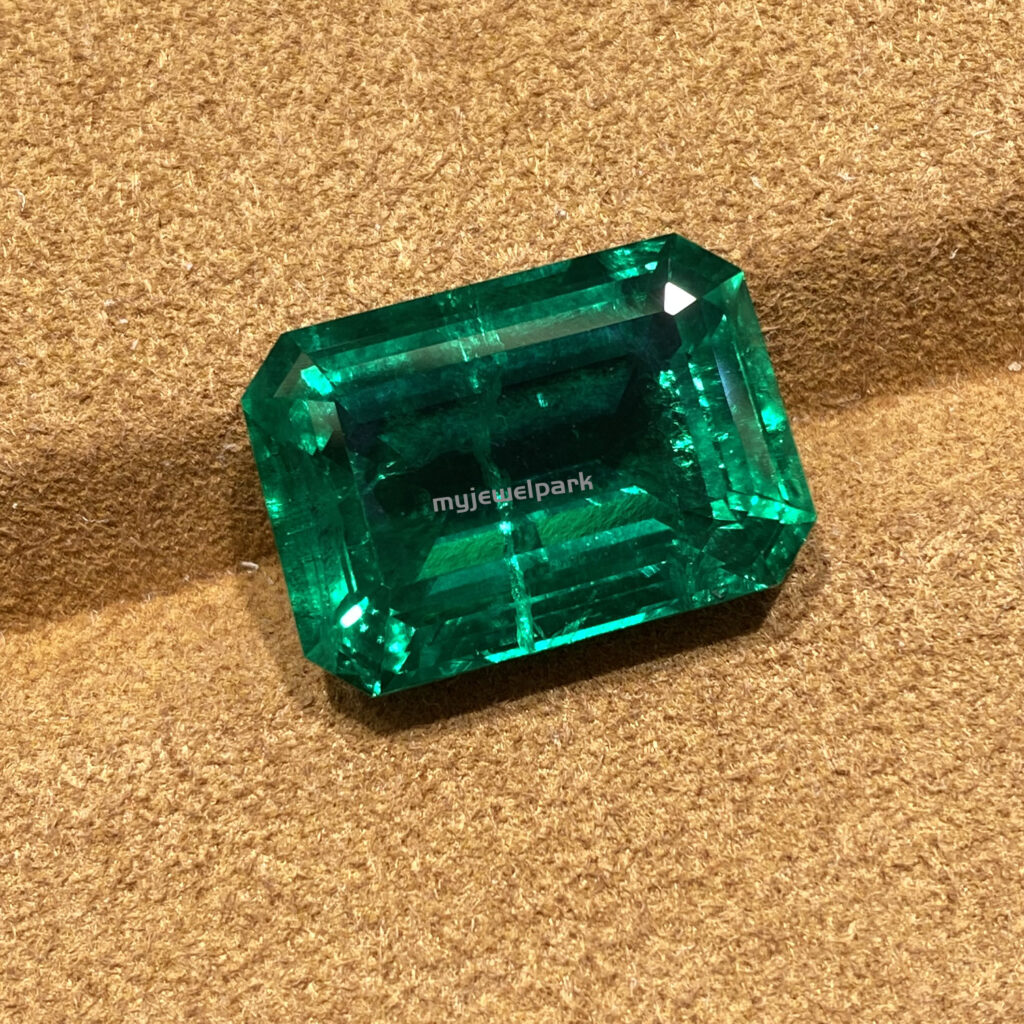
According to a 2024 consumer survey, 83 percent of buyers were open to choosing lab grown stones if chemically identical to mined gems for rubies, emeralds, or sapphires. Lab grown emeralds offer color consistency, clarity, and ethical sourcing, emerging as a compelling alternative to regionally sourced stones.
While Colombian and Ethiopian emeralds each offer unique value, whether rooted in legacy or chemistry, the rise of high quality lab grown options is redefining how buyers approach beauty, transparency, and sustainability all at once.