Are Cornflower Blue Sapphires Rare
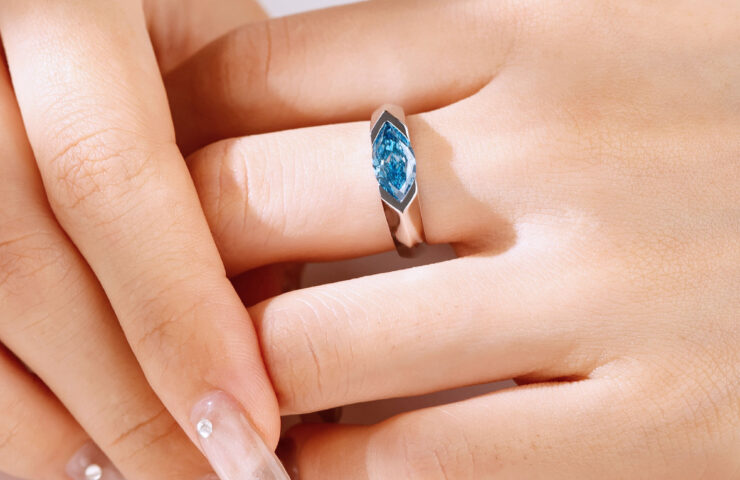
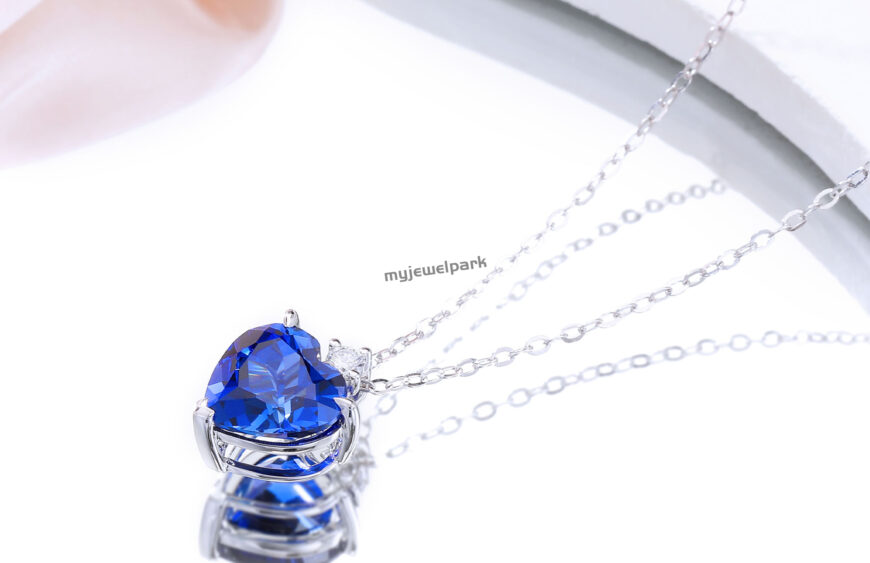
Cornflower blue sapphires, named for their velvety mid-blue hue, hold a special place in the gemstone world. Their soft yet vivid color comes from a precise balance of trace elements. This usually means low iron and higher titanium content, which produces a pure blue without the steely tones of darker stones. Gemologists often see them as one of the most desirable sapphire varieties. However, buyers and collectors still debate their true rarity.
Rarity and Market Perception
Geologically, high-quality cornflower sapphires are extremely rare, as only a few mining areas, particularly in Kashmir, Sri Lanka, and parts of Madagascar, produce the gem with the right chemical and structural conditions. Gems from the historic Kashmir deposits are particularly scarce, with most high-grade gems mined more than a century ago. This scarcity contributes to high auction prices for unheated gems with rich color and soft luster.
However, online discussions reveal mixed perceptions. On a popular gem forum, one collector insisted that cornflower sapphires are extremely rare and should always command premium pricing. Another user argued that they are not as rare as marketing claims. This is especially true when heat-treated stones are included to enhance color. A widely viewed YouTube video by a gemstone dealer showed unheated and heated cornflower sapphires side by side. It led viewers to question whether the difference between natural and treated stones is clear to the average buyer.
Consumer Experiences and Opinions
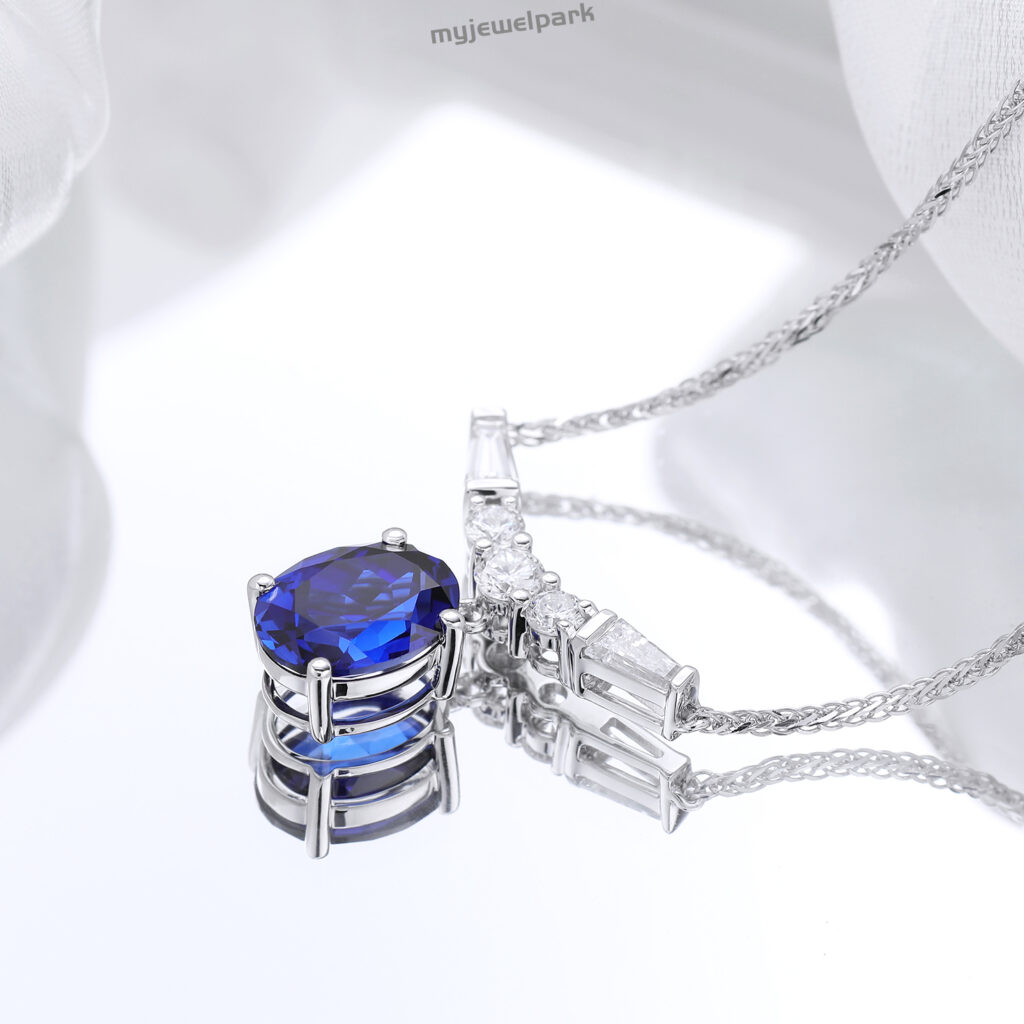
Several posts on international jewelry forums describe buyers feeling misled by sellers who used the term cornflower blue loosely. One consumer shared that the sapphire they bought online looked pale compared to photos, despite being labeled cornflower. Others reported satisfaction with their purchases but noted that lighting conditions and photography can dramatically alter the perceived color.
This controversy points to the need for laboratory certification. Reputable gem labs not only verify the color description but also indicate whether a stone has undergone treatments, giving buyers more confidence in their investment.
Advantages of Lab Grown Options
Laboratory-grown sapphires are influencing how people view rarity. Produced using natural corundum seed crystals, these stones are cultivated in controlled environments that can replicate the cornflower hue with remarkable accuracy. The growth process can even reproduce inclusions, silk patterns, and minor structural features found in natural sapphires, creating a realistic appearance for those seeking authenticity in look and feel.
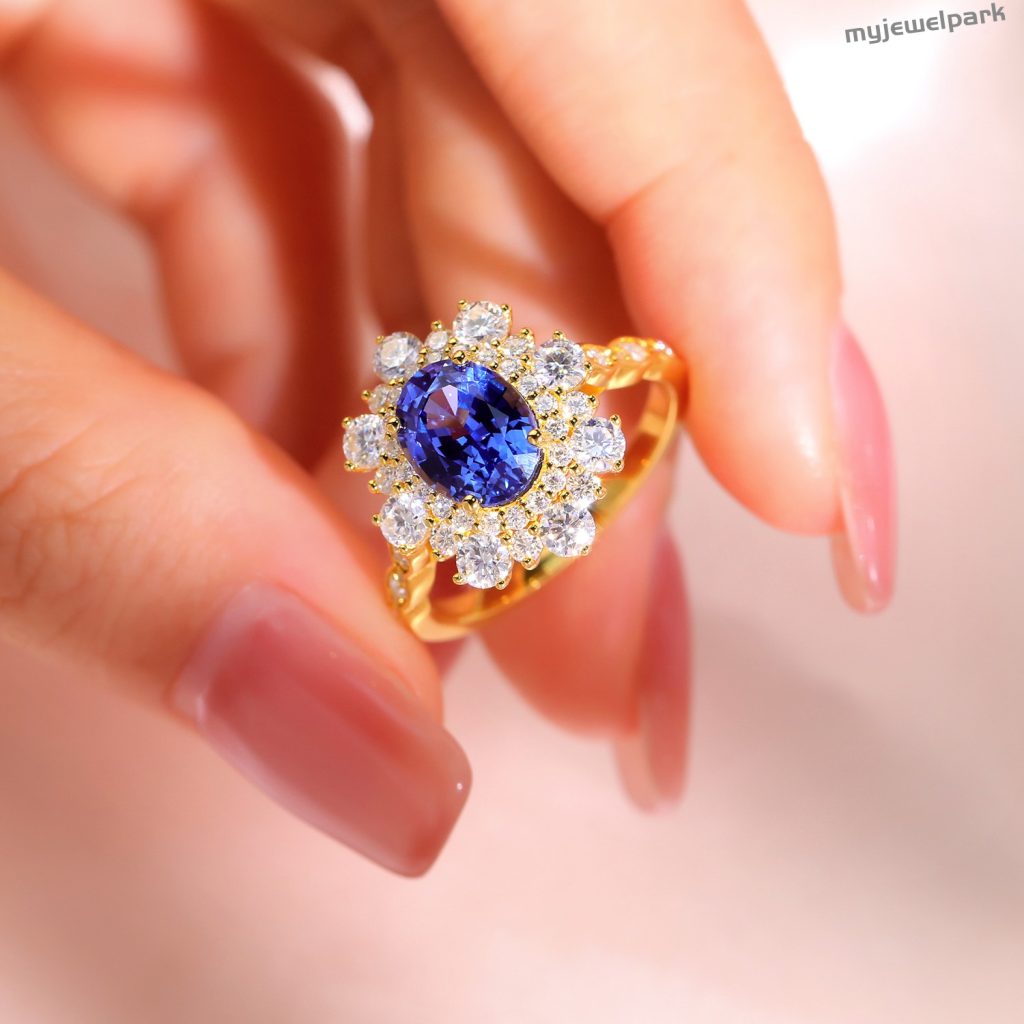
According to a 2025 survey by a leading jewelry market research group, 81 percent of respondents said they would consider buying a lab grown colored gemstone if it offered identical chemical and optical properties to a mined stone. For cornflower blue sapphires, this means access to the desired color without the scarcity premium.
While natural cornflower blue sapphires will always carry historical prestige and collector appeal, lab grown varieties offer color precision, ethical sourcing, and affordability. Whether the stone is mined or cultivated, the appeal of the cornflower hue lies in its balance of vibrancy and softness, a quality that continues to captivate gemstone enthusiasts worldwide.