Is Star Ruby a Real Ruby?
Understanding Star Rubies
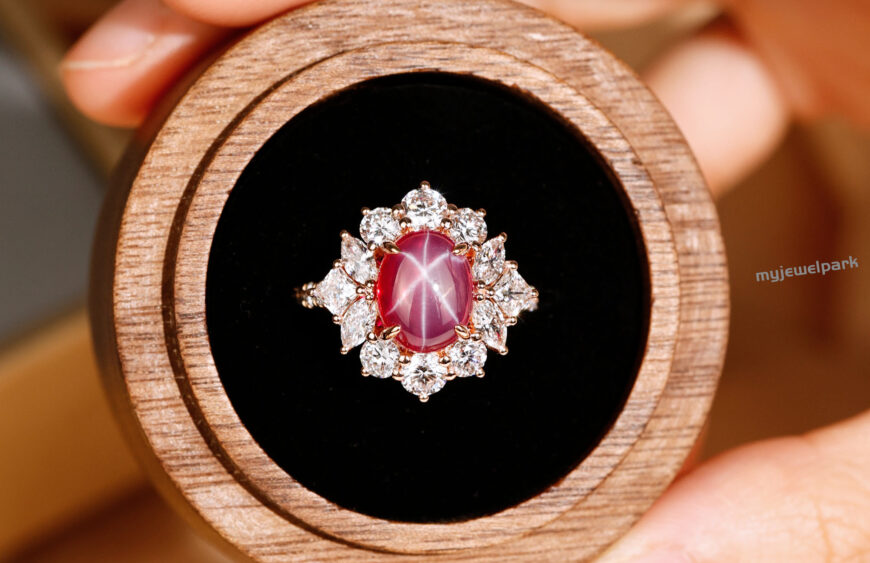
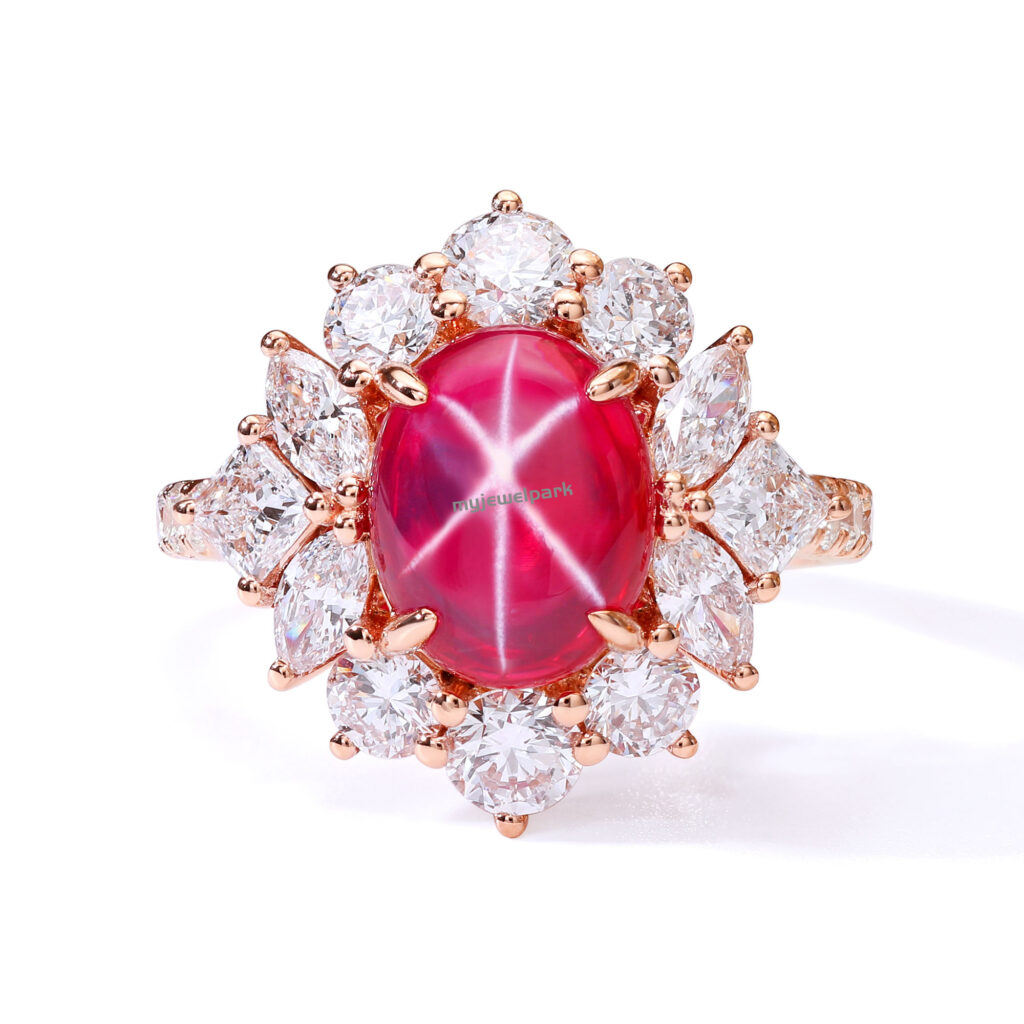
Star rubies are rubies that display a six-rayed star pattern, a phenomenon known as asterism. The effect occurs when needle-like inclusions of rutile intersect within the crystal, reflecting light in a star shape across the stone’s surface. Scientifically, they belong to the same corundum family as traditional rubies, with chromium giving them their red color. The only distinction lies in their internal structure, which produces the optical effect.
Consumer Opinions and Online Debates
On gemstone forums, buyers often ask if star rubies should be considered “real rubies” or a separate category altogether. Some collectors argue that the presence of visible inclusions makes them less valuable than transparent rubies. Others counter that their unique star effect makes them even more desirable, sometimes surpassing the price of ordinary stones. A widely shared YouTube video by a gem dealer showed both natural star rubies and treated ones, sparking debate in the comments about whether heat or diffusion treatments reduce authenticity. Reddit threads add to the controversy, with some users praising untreated specimens as rare treasures and others dismissing treated versions as overpriced.
Expert Views and Market Data
Gemological institutions classify star rubies as genuine rubies, provided they meet the chemical and structural standards of corundum. The Gemological Institute of America confirms that the star effect is caused by inclusions, not by an artificial process. However, the market divides natural untreated stones from treated examples. A survey conducted in 2023 by the American Gem Society found that 41 percent of buyers were uncertain about how to distinguish natural from treated star rubies, while 36 percent expressed concern about whether the presence of visible inclusions lowered long-term value. This data highlights that the debate is not about authenticity but about perception and market confidence.
Advantages of Lab Grown Star Rubies
Laboratory techniques have expanded the availability of star rubies by replicating the same conditions under which asterism naturally occurs. Lab grown rubies are cultivated from natural corundum seed crystals in controlled environments. The growth process can reproduce inclusions that generate the star effect, while also minimizing internal stress that leads to cracks or fractures. Some labs even replicate surface-reaching fissures to mirror the look of rare natural gems.
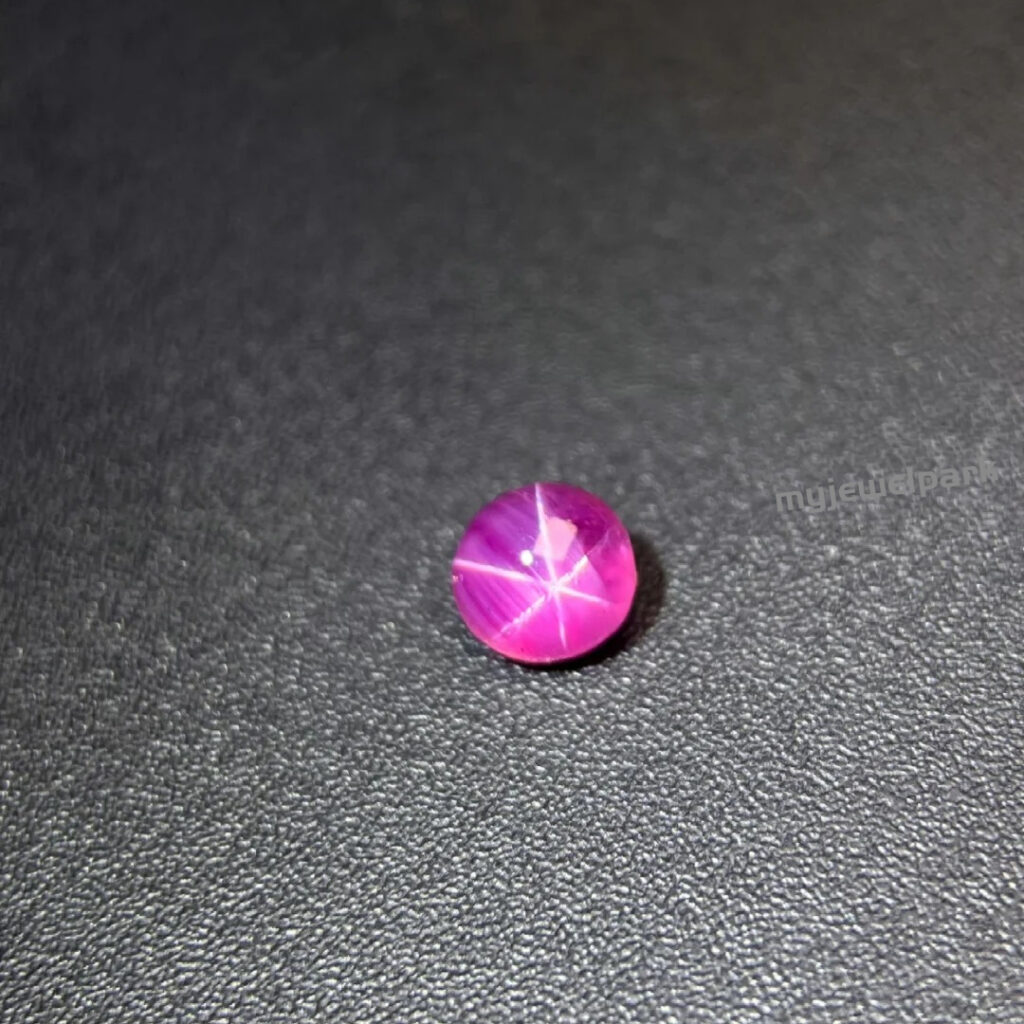
A 2024 consumer report by the International Colored Gemstone Association revealed that 63 percent of younger buyers would consider a lab grown star ruby if certified as chemically and optically identical to a mined one. Many cited affordability and durability as their reasons. The ability to provide consistent quality while reducing mining-related concerns makes lab grown options an attractive alternative.
Balancing Tradition and Innovation
Star rubies, whether natural or lab grown, are genuine rubies with a distinct visual appeal. Collectors treasure untreated natural specimens for their rarity, while many modern buyers appreciate the accessibility and reliability of laboratory stones. Their enduring value lies not only in gemological classification but also in cultural meaning and personal preference. With both natural and cultivated options available, the choice depends on how wearers balance tradition, beauty, and practicality.