What Is the Rarest Color of Sapphire?
Beyond the Classic Blue
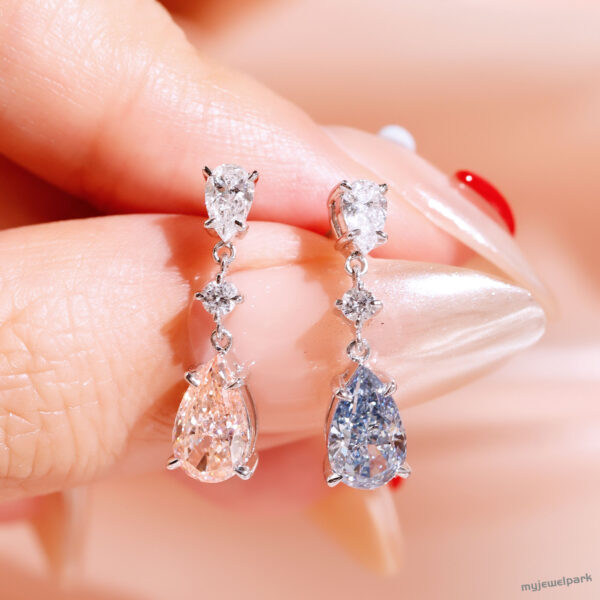
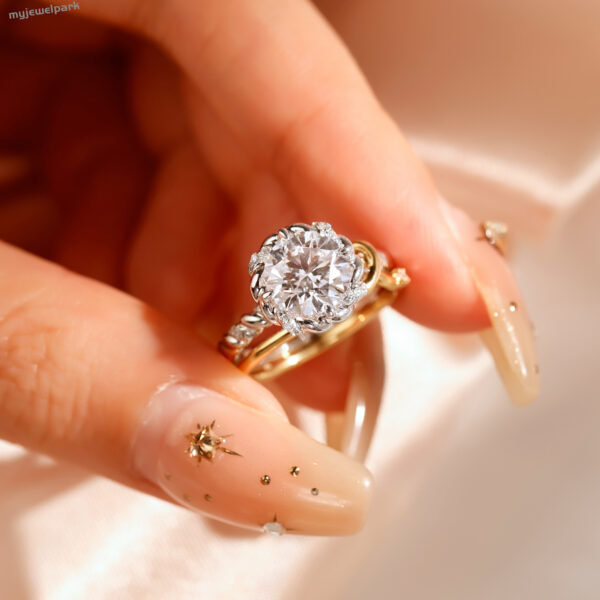
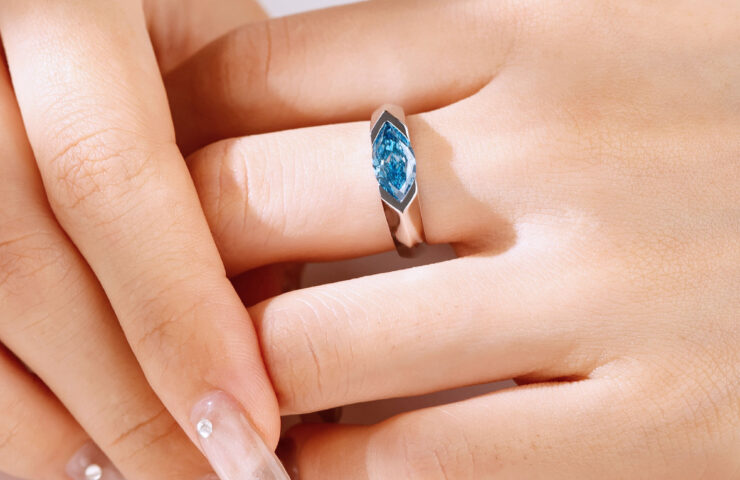
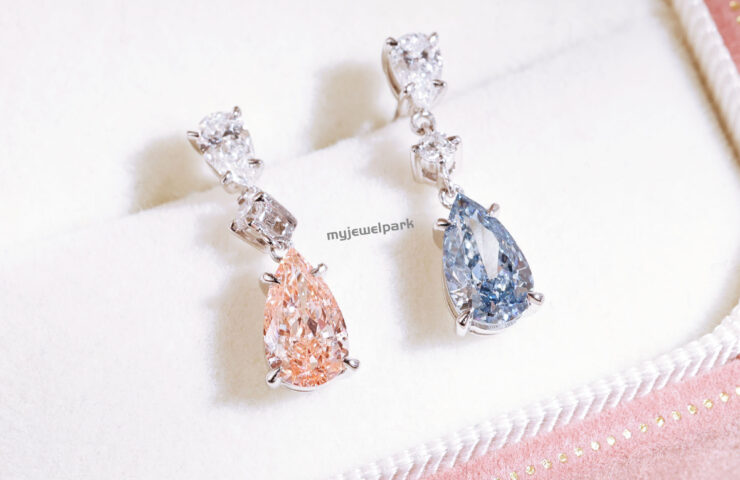
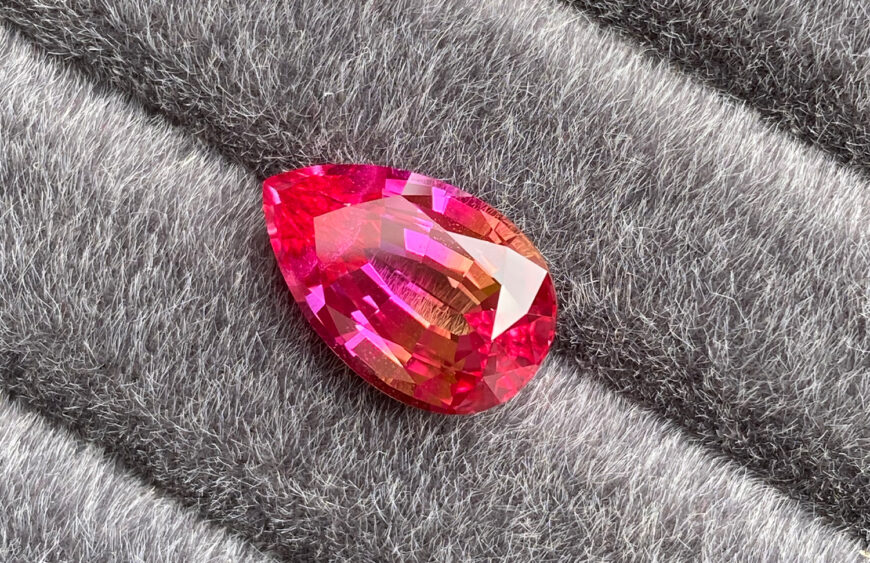
When people imagine sapphires, deep royal blue usually comes to mind. Yet sapphires occur in nearly every color of the rainbow, from pink to green to yellow. Among these, one particular shade stands out for its rarity and fascination: padparadscha. This delicate mix of pink and orange resembles the glow of a lotus blossom at sunset, and gem collectors often describe it as the most elusive sapphire color.
Opinions from Collectors and Buyers
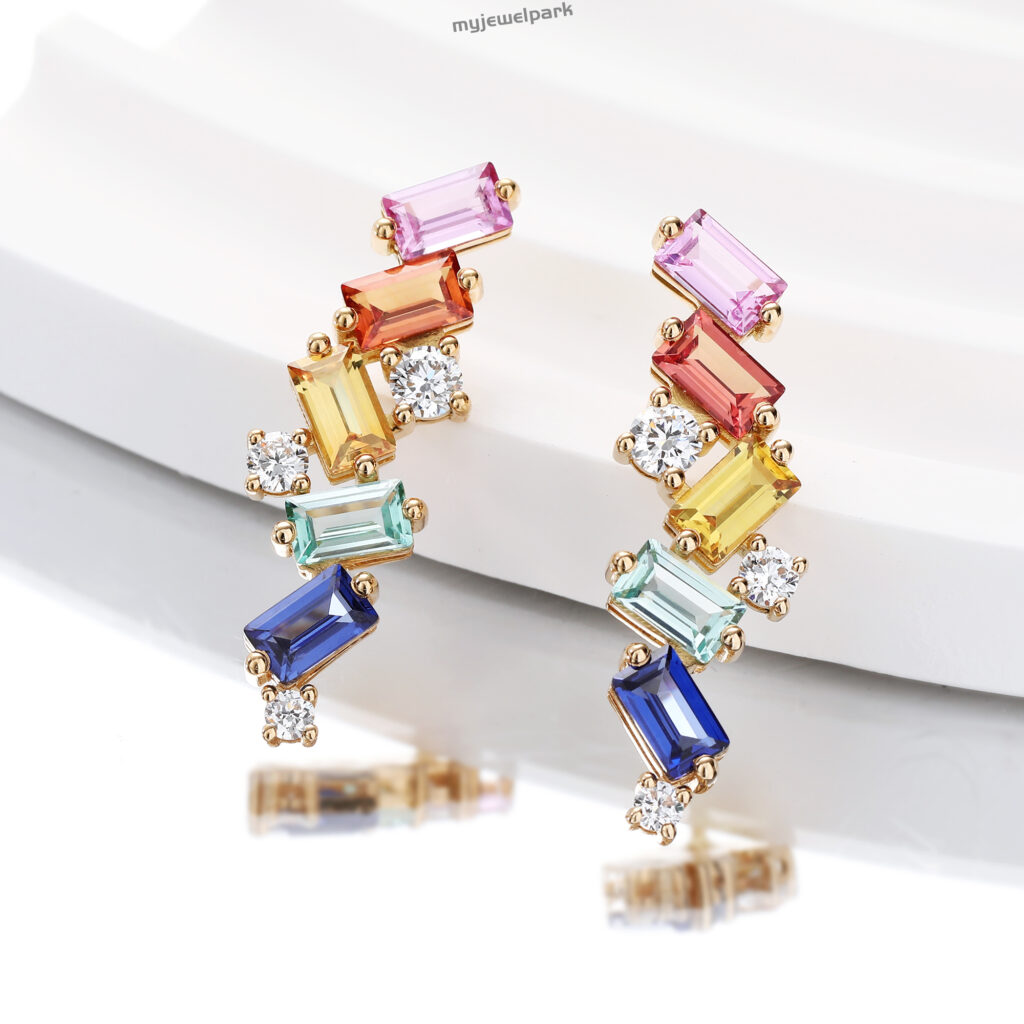
On well-known gem forums, debates about sapphire rarity often become heated. Some contributors argue that padparadscha sapphires are the rarest, especially those with no visible treatment. Others counter that true unheated blue sapphires of top quality can be just as scarce. A widely viewed YouTube comparison video by a gemstone dealer showed padparadscha alongside vivid blue and purple sapphires. Viewers filled the comments with arguments over whether rarity should be judged by market demand or by the number of stones actually available. Several buyers even admitted they had purchased so-called padparadscha sapphires, only to later discover through certification that the stones were either treated or did not meet strict color standards.
Scientific and Market Insights
Gemologists explain that sapphire color comes from trace elements within corundum. In the case of padparadscha, the precise balance of chromium and iron creates a soft orange-pink that is almost impossible to replicate naturally. This balance is so delicate that even small shifts in chemistry can push a stone toward standard pink or orange. According to a 2023 report by the Gemological Institute of America, padparadscha sapphires account for less than 2 percent of all sapphires submitted for certification worldwide. Market data shows that fine examples command significantly higher prices per carat than most other sapphire colors.
Advantages of Laboratory Cultivation
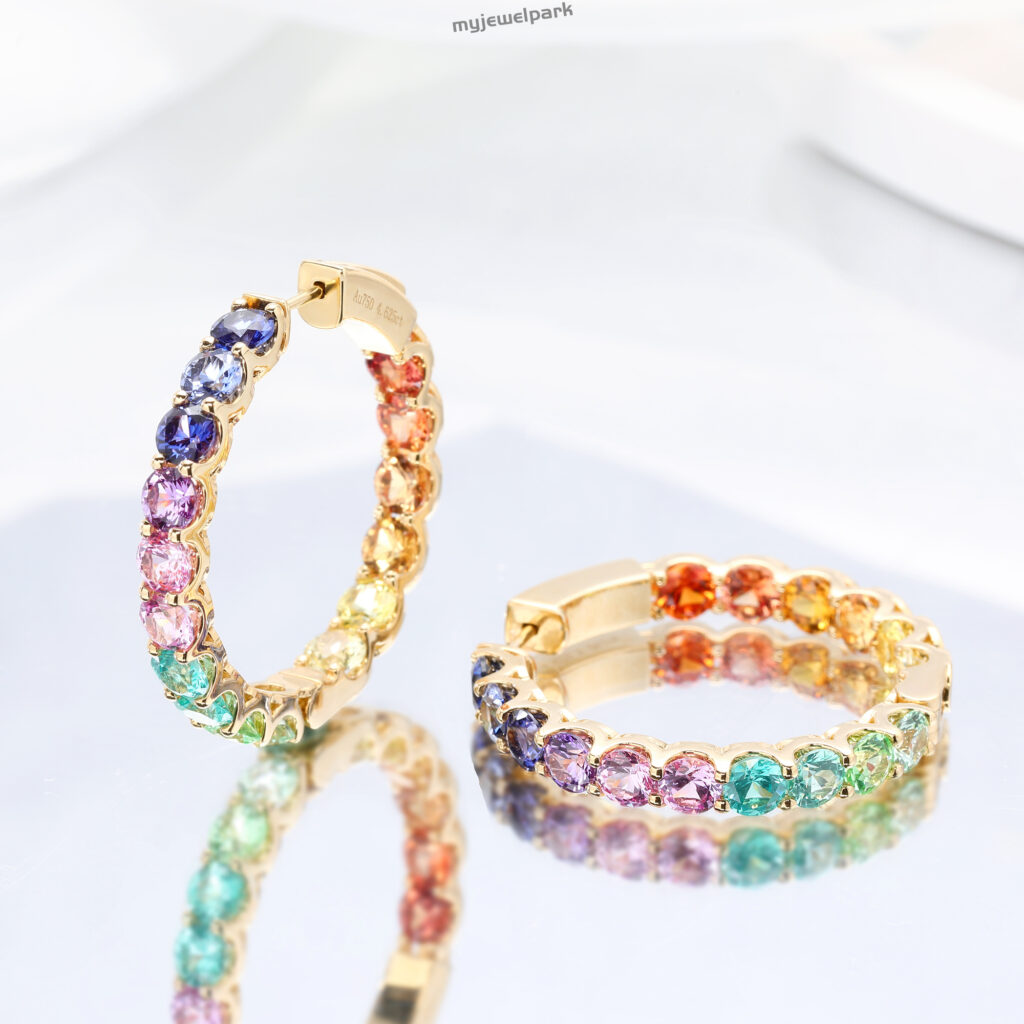
Laboratory-grown sapphires have added a new dimension to the discussion. In controlled environments, technicians can grow sapphires on natural corundum seed crystals, carefully managing trace elements to achieve consistent hues. These cultivated stones can include features such as inclusions, cream bodies, and even natural-looking fissures, allowing them to closely resemble mined gems. Laboratory-grown padparadscha sapphires make the once unattainable color more widely available while still maintaining chemical and optical identity with natural stones.
Consumer surveys highlight how these alternatives influence buyer choices. A 2024 American Gem Society poll found that 68 percent of respondents would consider purchasing a lab-grown colored sapphire if it offered the same appearance and durability as a natural stone. For cluster or fashion settings where affordability and vibrant color matter most, buyers often view lab-grown padparadscha as an appealing compromise.
Balancing Rarity and Accessibility
The rarest sapphire color remains a matter of perspective, shaped by both gemological science and consumer perception. Padparadscha is frequently celebrated as the most elusive, yet unheated blue or vividly purple sapphires also attract claims of rarity. What is clear is that laboratory cultivation has widened access to colors that once seemed beyond reach. Whether prized as an ultimate collector’s treasure or enjoyed in an accessible lab-grown version, the rare hues of sapphire continue to fascinate and inspire jewelry lovers around the world.