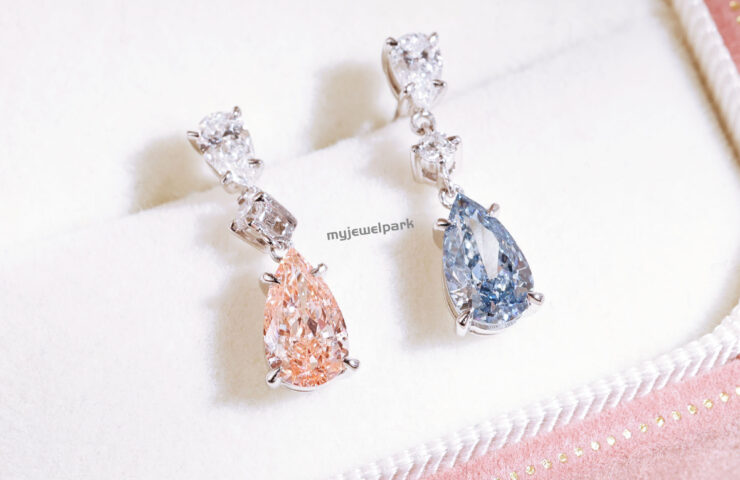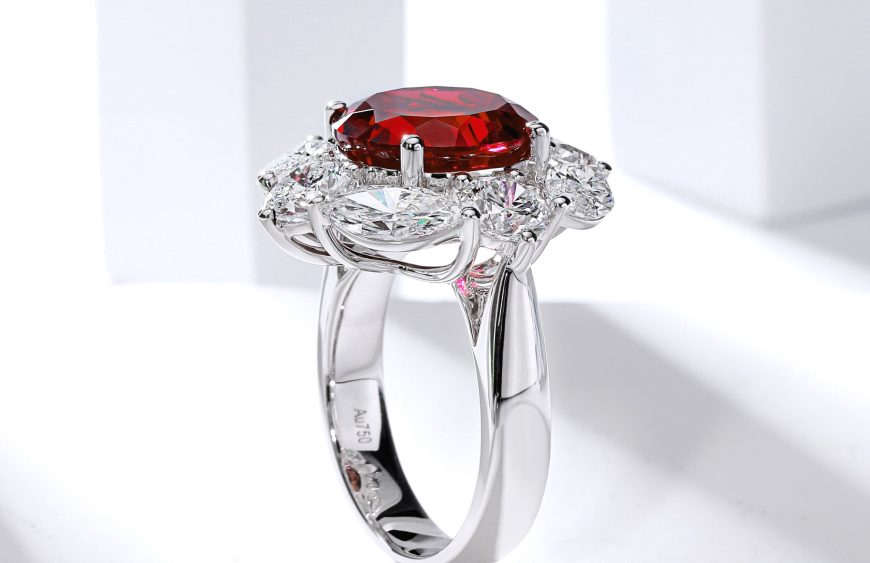
Ruby, a gem with historical blood, not only carries a profound cultural heritage, but also shines in the jewelry world with its unique charm and modern design concept. Whether as a family heirloom or a modern fashion accessory, ruby is an eternal classic that deserves our careful appreciation and collection.
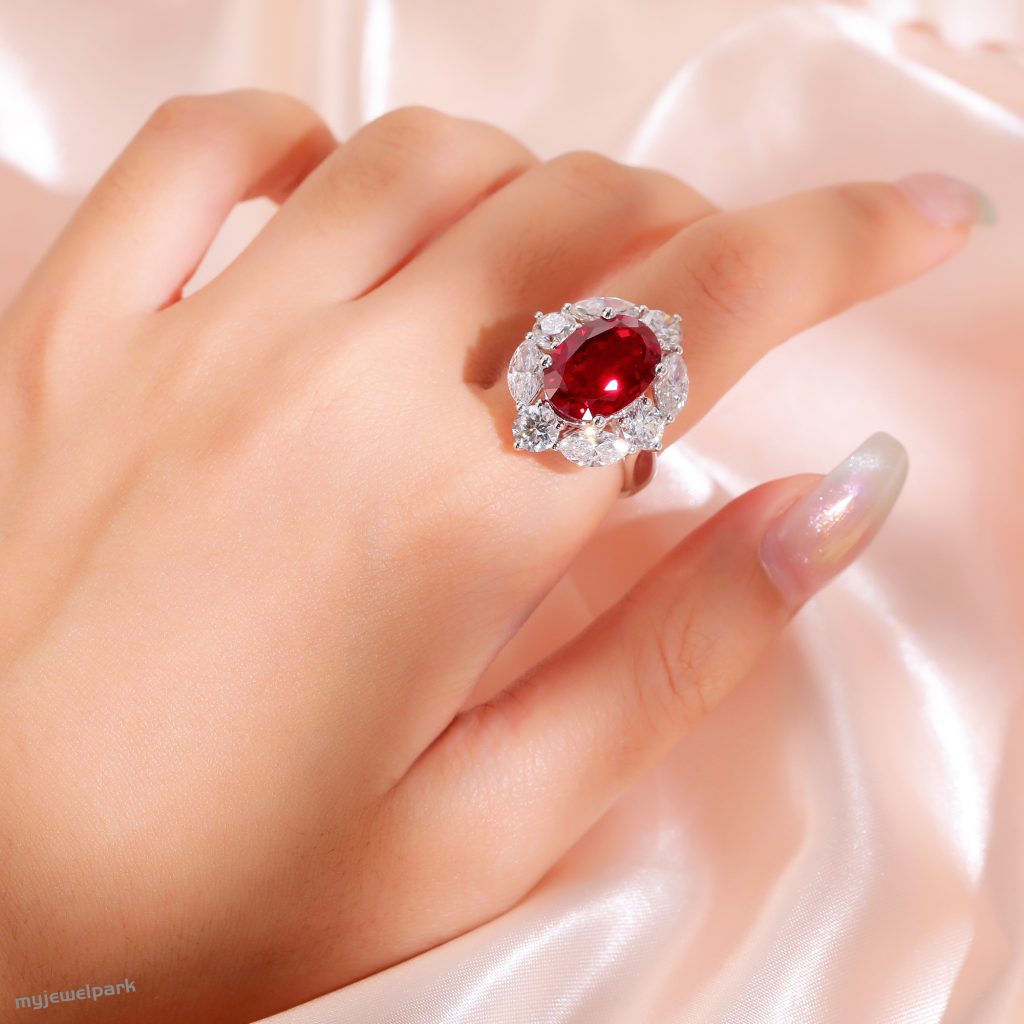
Ruby belongs to the corundum family. Its main component is aluminum oxide (Al₂O₃), which contains trace amounts of chromium, which gives ruby its iconic red color. Ruby is usually formed in a high temperature and high pressure environment deep in the earth’s crust. After millions of years of geological action, it finally crystallizes into a precious gem. The hardness of ruby is second only to diamond, reaching Mohs hardness level 9, which makes it not only colorful but also extremely wear-resistant, making it very suitable for making daily jewelry.
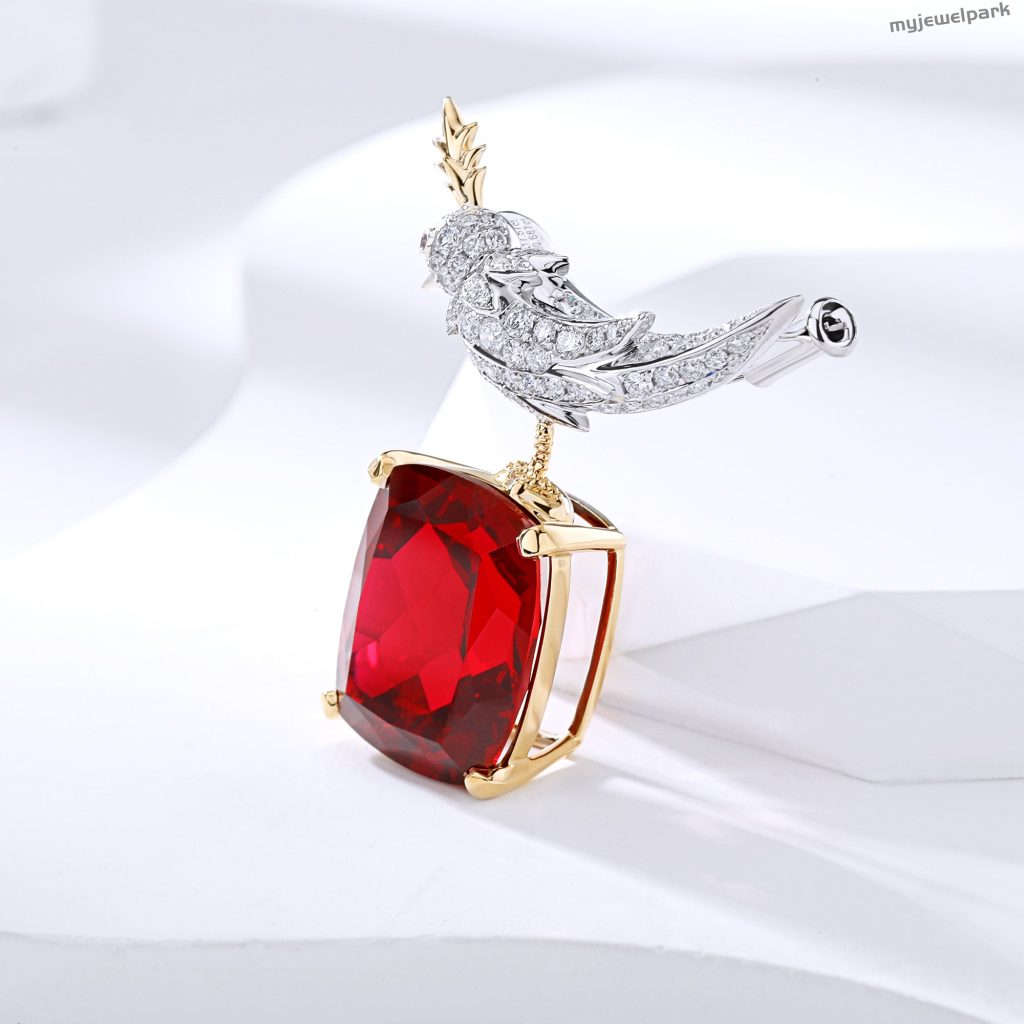
In ancient India, ruby was regarded as the “king of gems” with the power to ward off evil; in medieval Europe, ruby symbolized courage, wisdom and noble love, and was often used as a coronation gem for the royal family. In China, the red color of ruby symbolizes good luck and happiness. It is often used as an important ornament at weddings, implying a happy life for newlyweds.
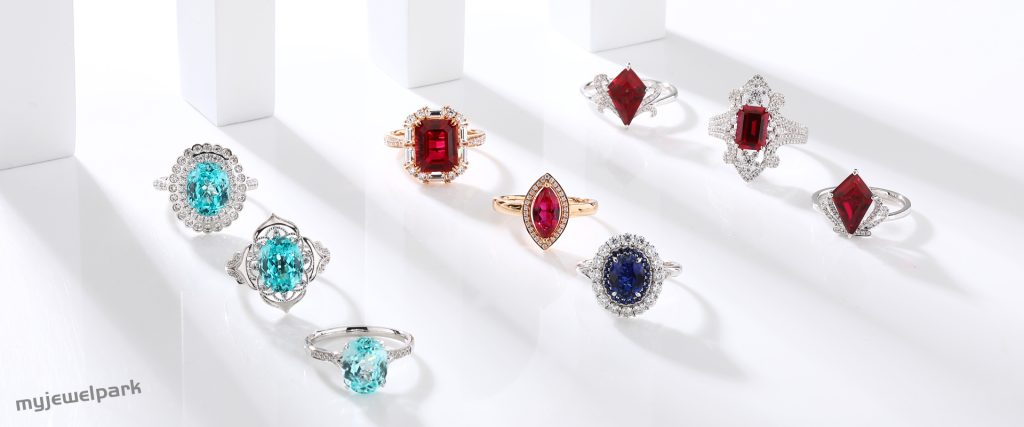
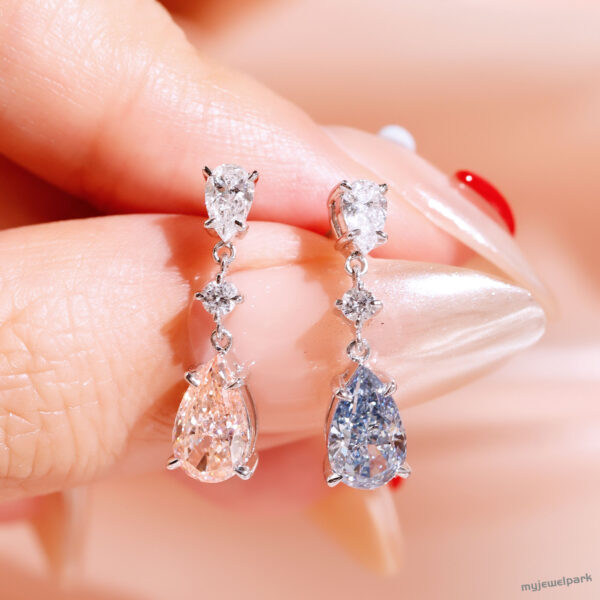
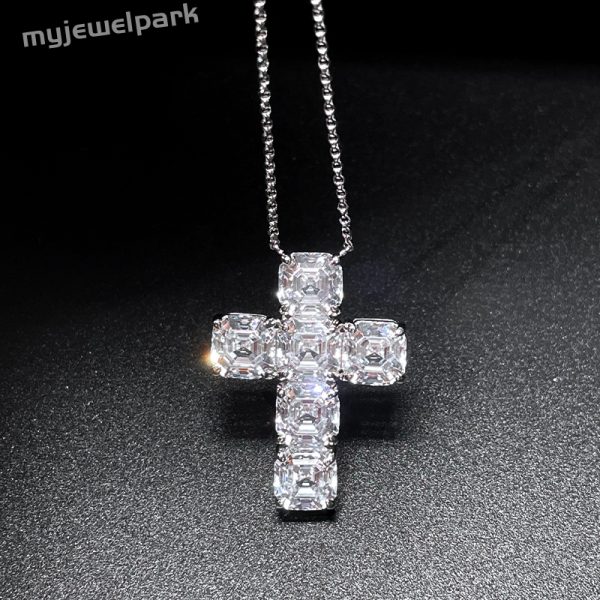
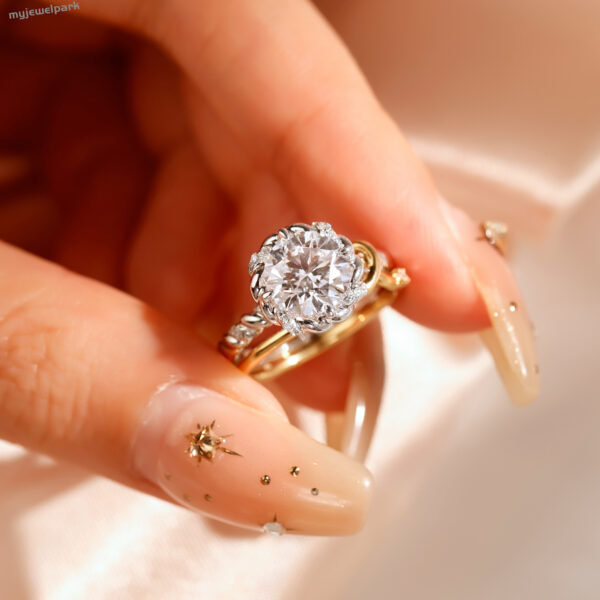
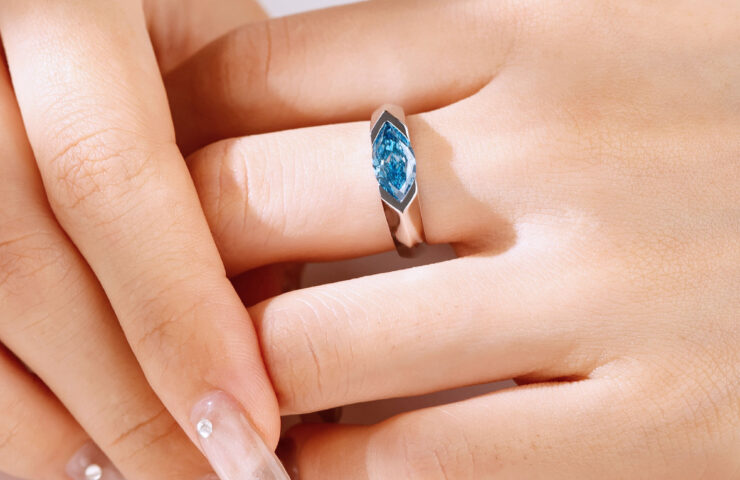
With the changes of the times, the use of ruby in jewelry design has become increasingly diverse. Modern designers use the natural color and cutting process of ruby to create works that are both traditional and fashionable. From simple pendants to complex rings, from classic ruby with diamonds to novel color combinations, each work shows the infinite possibilities of ruby.
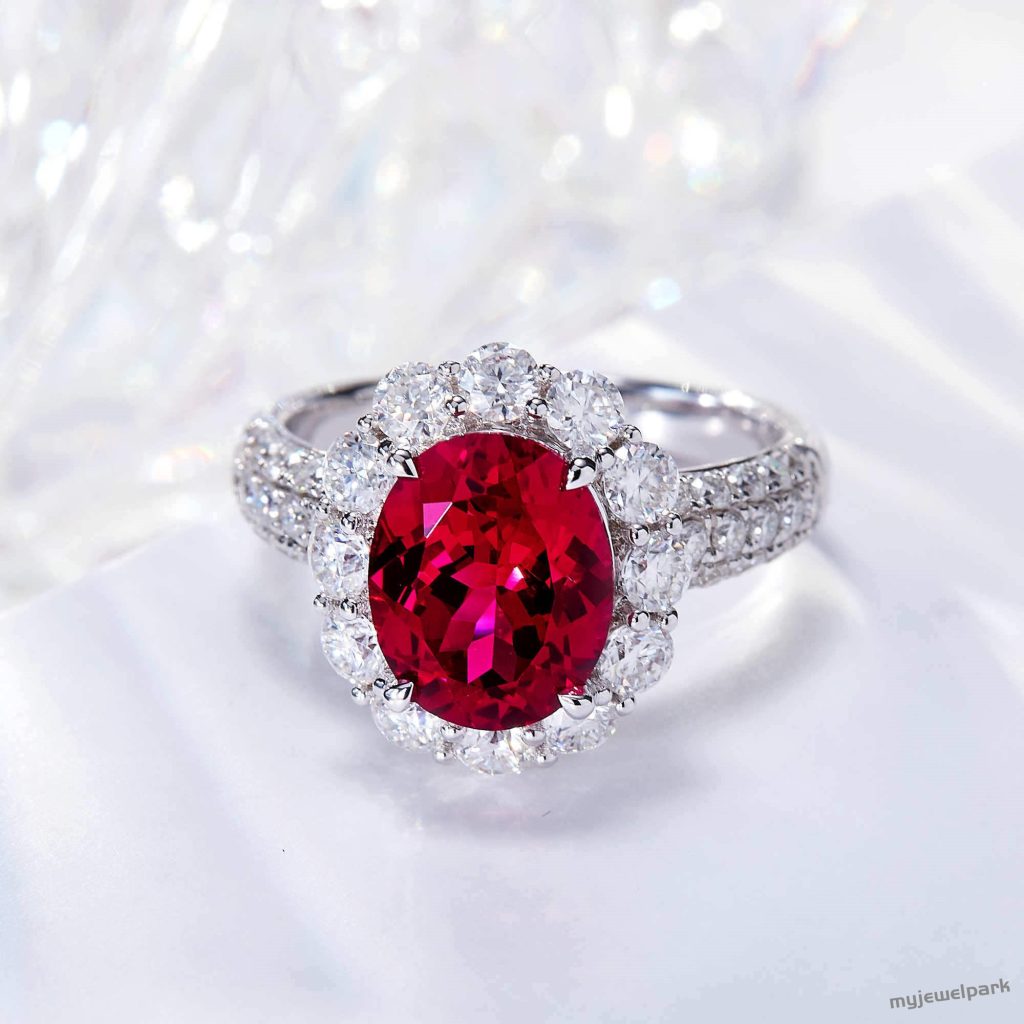
In this rapidly changing era, a ruby may become a bridge connecting the past and the future, allowing everyone who owns it to feel the beauty and emotion that transcends time and space.