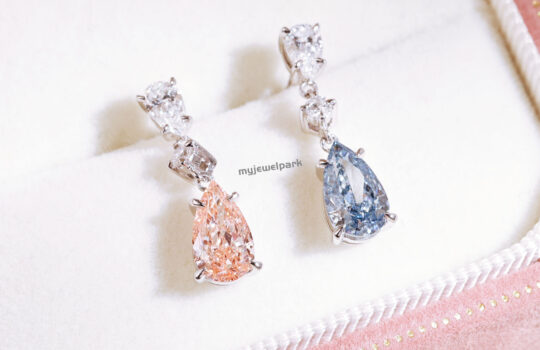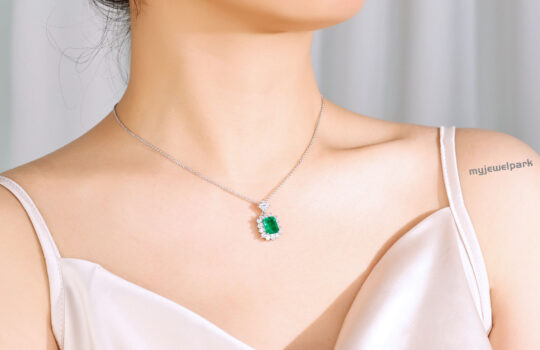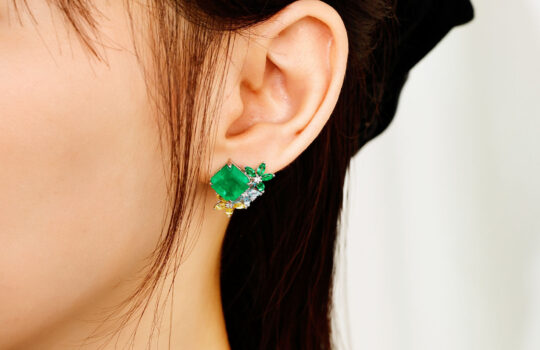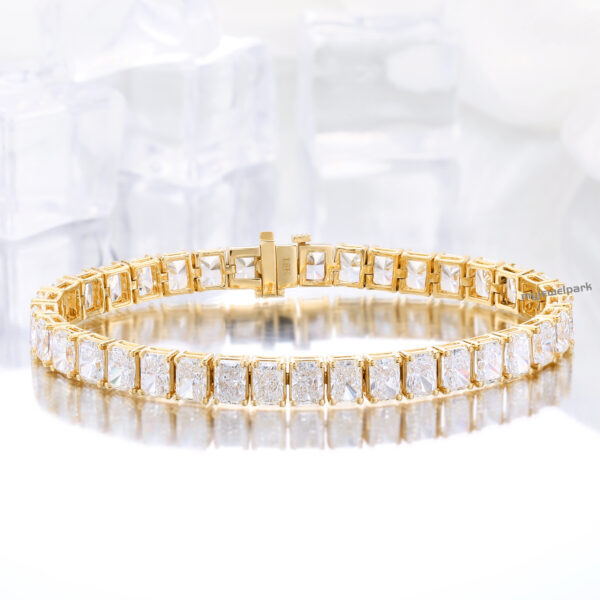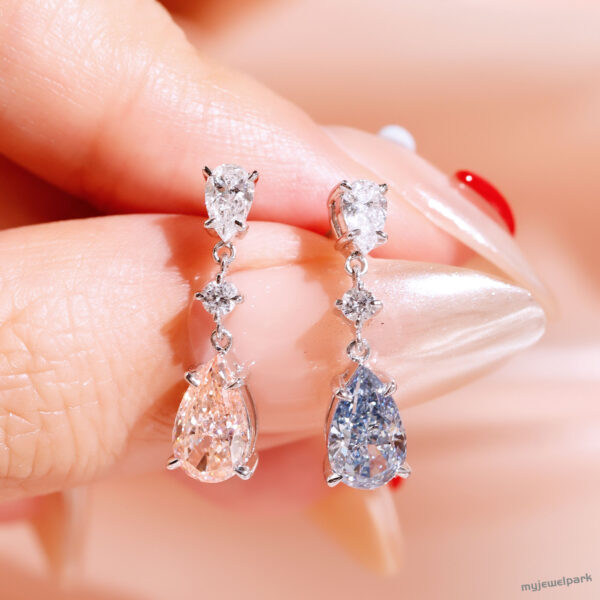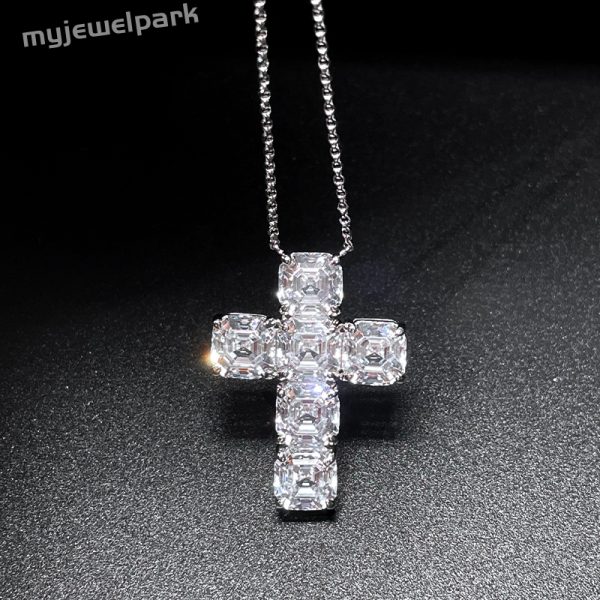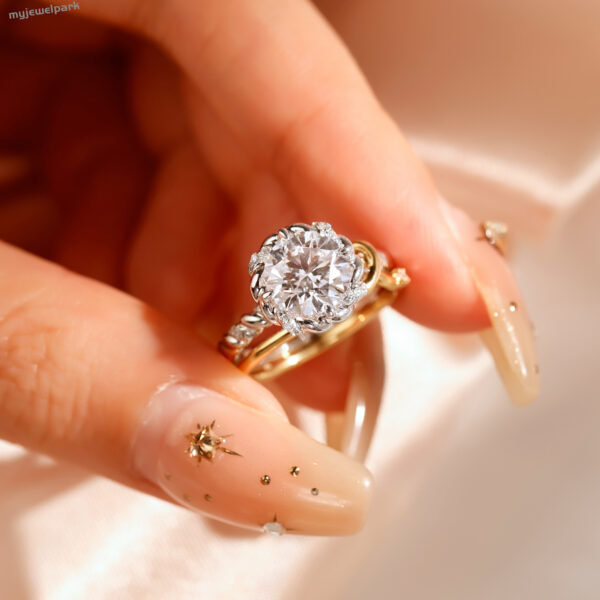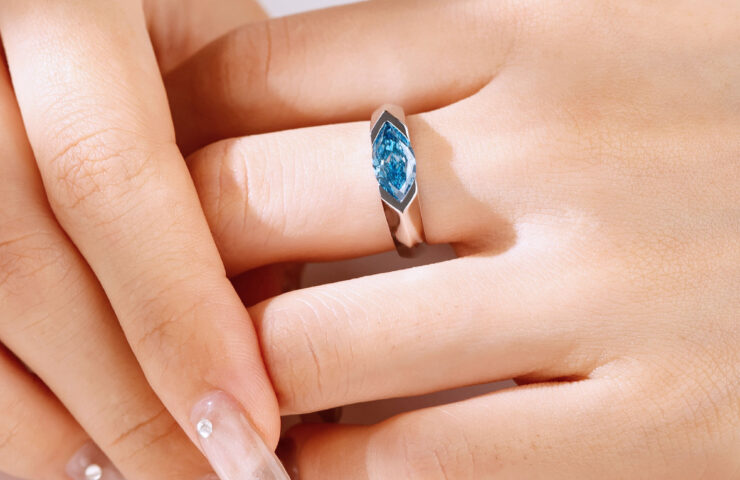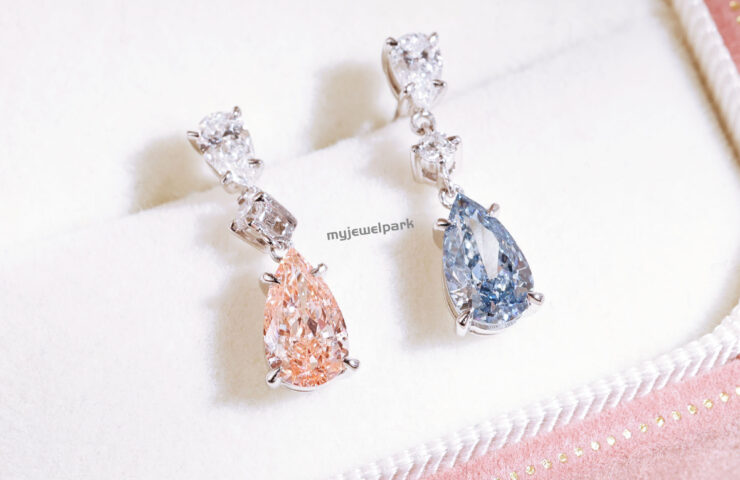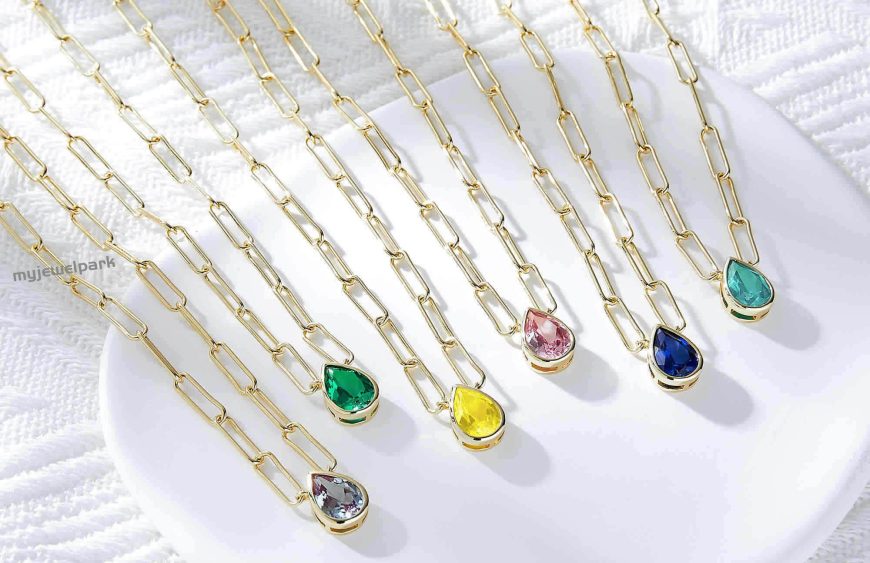
In this era of pursuing individuality and environmental protection, a gemstone called moissanite has quietly emerged and become the new darling of the jewelry industry.
The story of moissanite began in the late 19th century. In 1893, French chemist Henri Moissan discovered a rare mineral, moissanite, in a meteorite crater in Arizona. This mineral was named after its discoverer and was called “moissanite”. Because naturally formed moissanite is extremely rare, it was not until the end of the 20th century that scientists successfully brought moissanite into the public eye through laboratory synthesis technology.
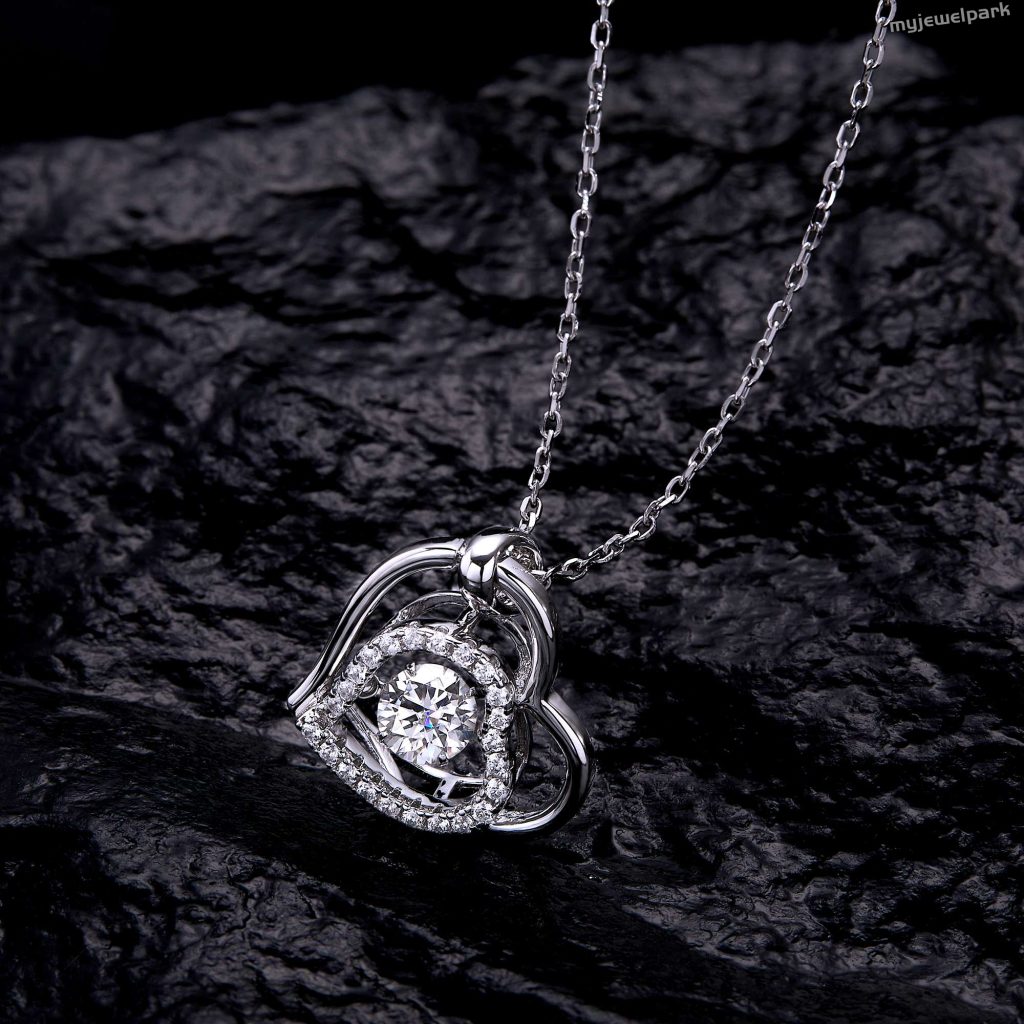
The charm of moissanite lies in its stunning fire and brightness. When you turn a moissanite in the sun, you will find that each of its facets seems to be telling a different story, flashing a rainbow-like spectrum, so beautiful that people can’t take their eyes off it.
In addition to the visual shock, moissanite is also extremely durable, which allows it to withstand the friction and collision in daily wear and maintain a lasting luster.
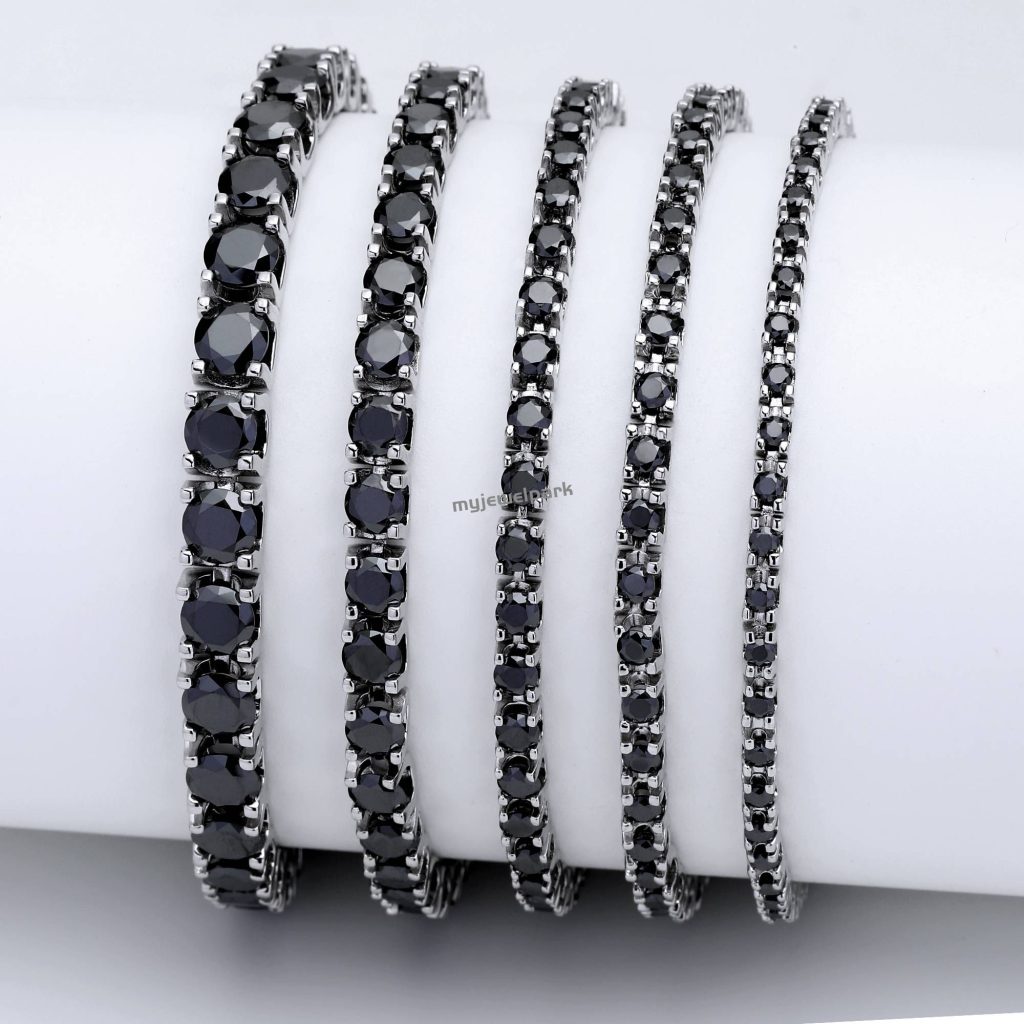
For those who care about sustainability and environmental protection, moissanite is undoubtedly an ideal choice. In addition, the price of moissanite is much lower than that of diamonds of the same size and quality, which makes it a very cost-effective choice, allowing more people to have the opportunity to own dazzling gemstone jewelry without having to bear too heavy a financial burden.
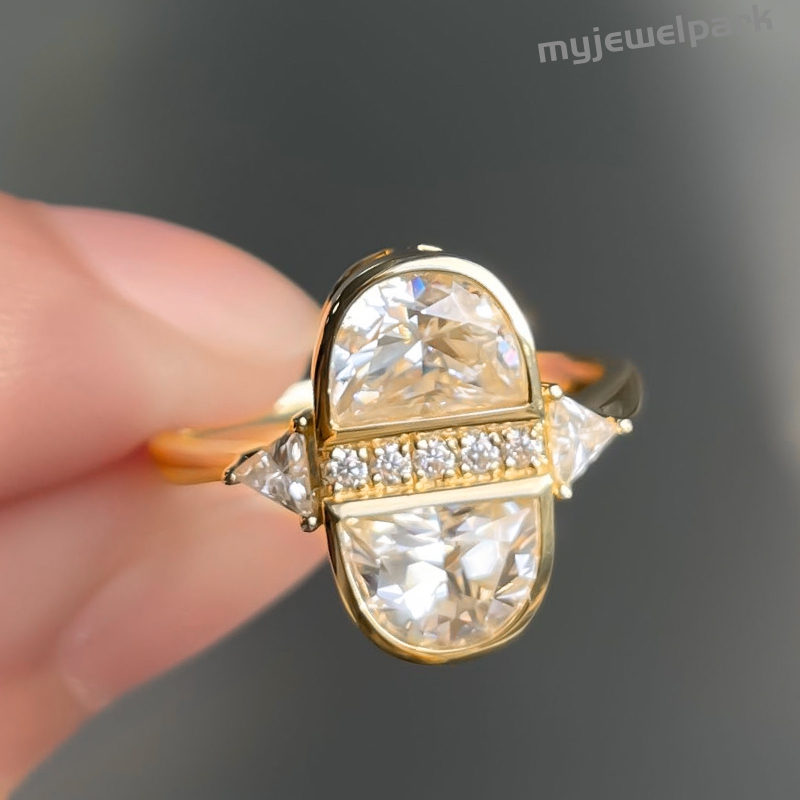
Moissanite is gradually gaining more and more people’s favor with its excellent optical performance, excellent physical properties and friendly attitude towards the environment.