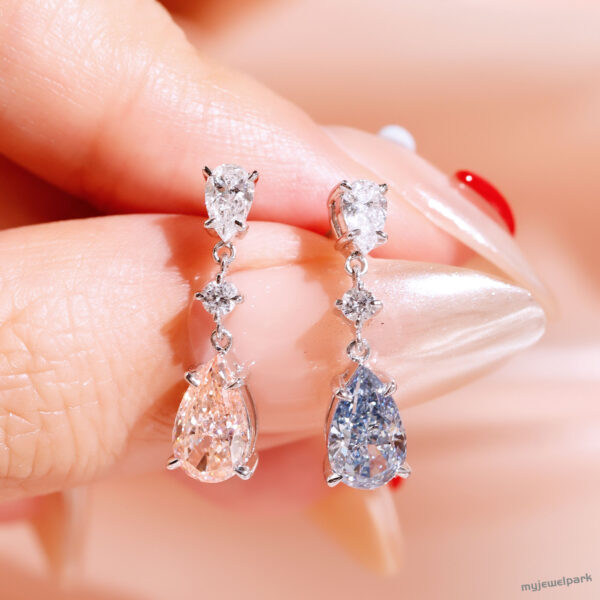
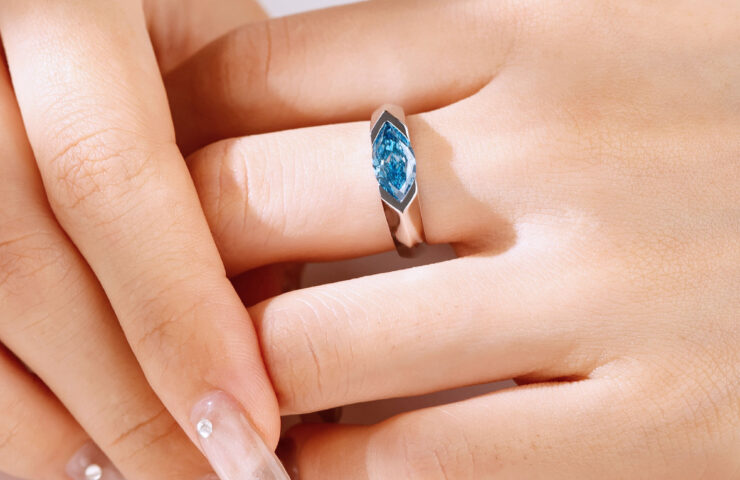
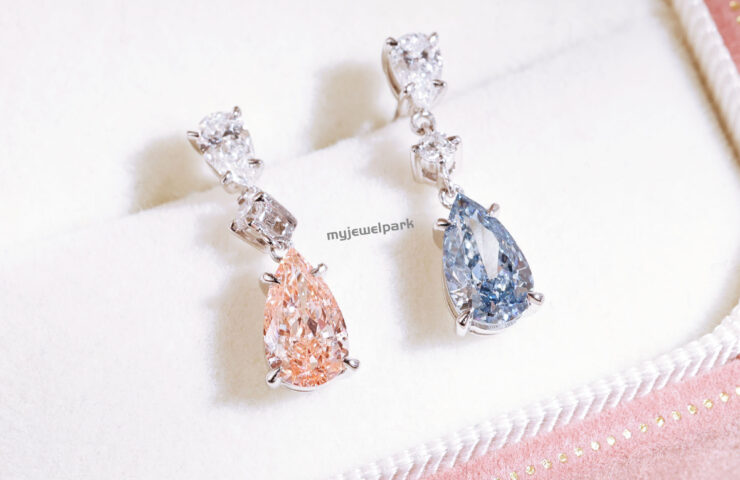
The evolution of earrings has a long history, and its evolution fully reflects the development of culture, society and art. Earrings are regarded as a symbol of status and wealth.
Symbolism and the inheritance of luxury
In ancient Egypt, earrings were usually worn by the upper class, made of gold and other precious materials, decorated with intricate patterns, and symbolized strength and spiritual protection. In ancient Rome, earrings became a symbol of wealth, worn by both men and women to emphasize social status. These early earrings not only used materials such as pearls, gemstones and metals, but also laid the foundation for later luxury accessories.
Gorgeous design and cultural symbolism
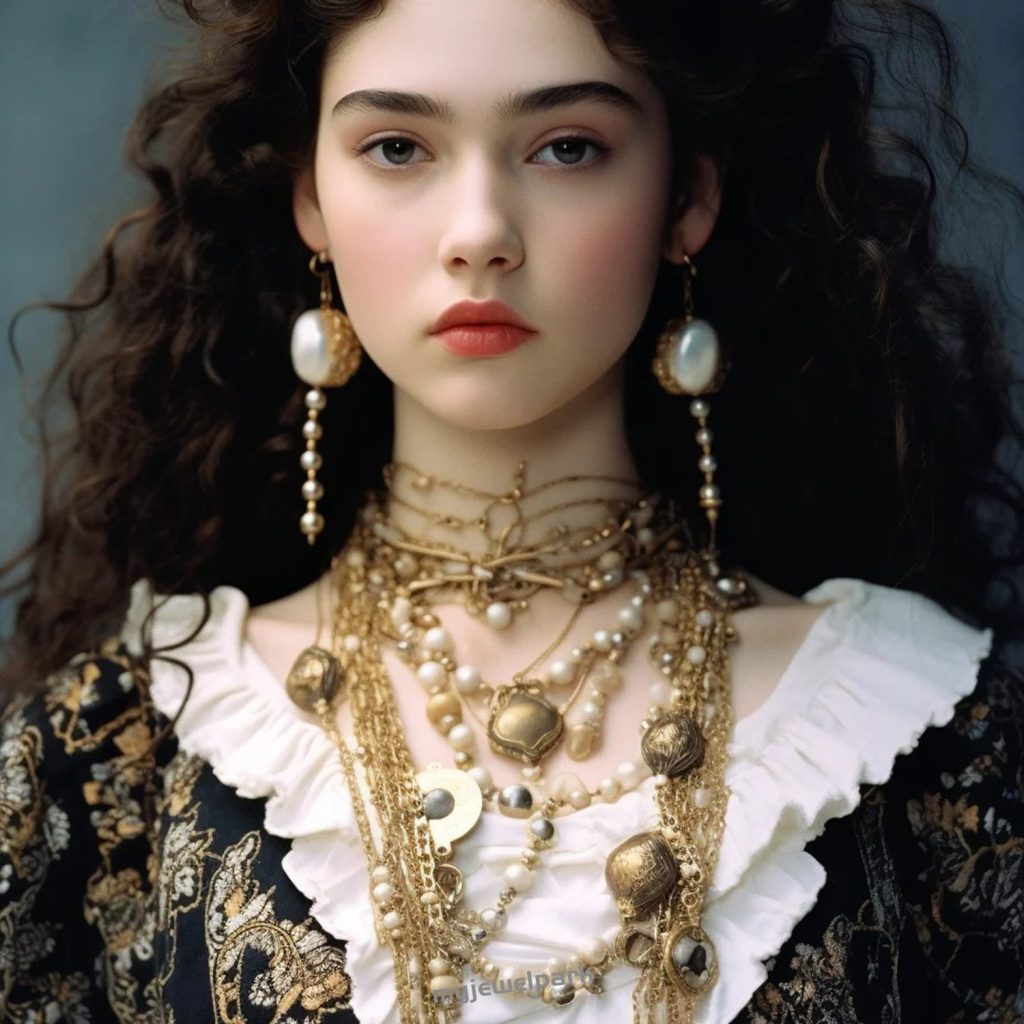 Entering the Renaissance, the popularity of earrings rose again. In this era full of artistic renaissance, earrings were gorgeous and complex in design, often incorporating various gemstones, reflecting a magnificent atmosphere. At the same time, the cultural significance of earrings has been further deepened, often closely related to personal and family traditions, and has become an important carrier of cultural expression.
Fashion evolution from Art Deco to Bohemia
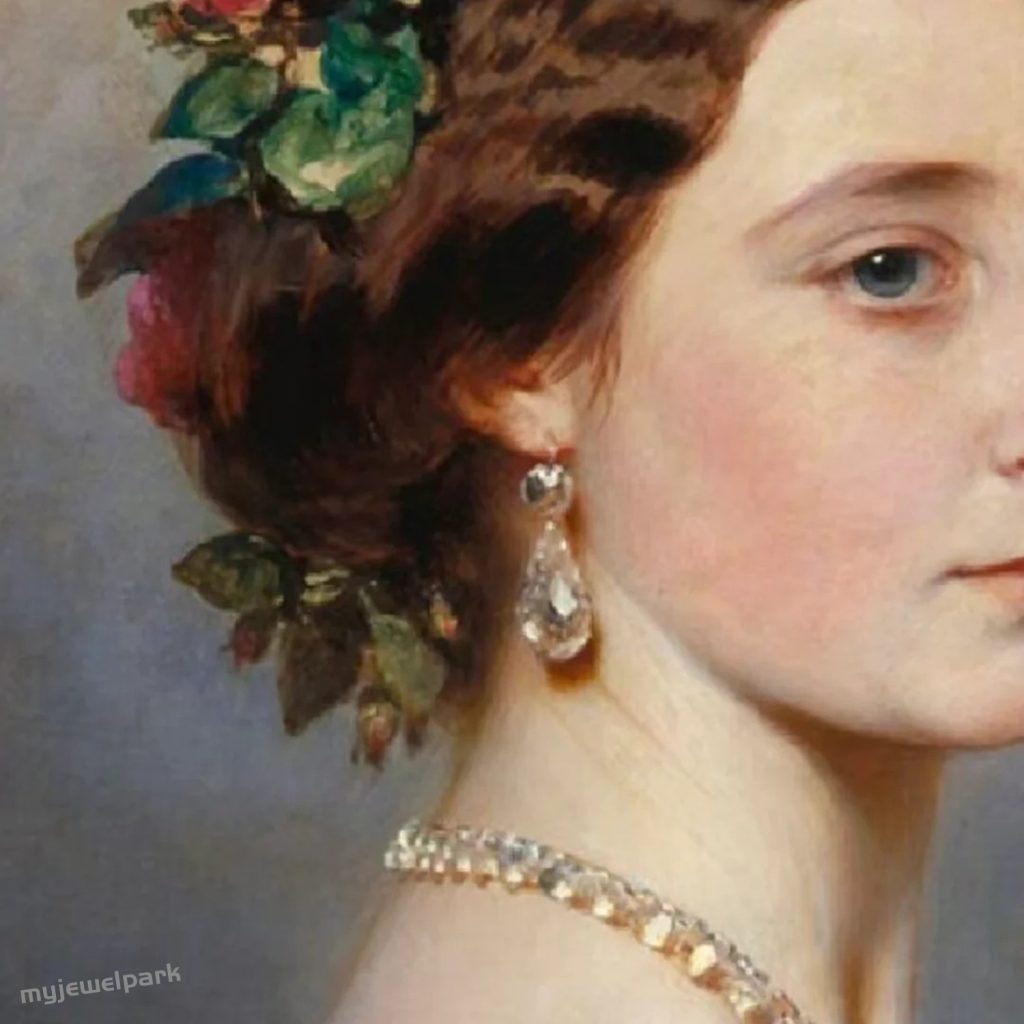 The styles of earrings in the 20th century changed significantly with fashion trends and technological advances. In the 1920s, Art Deco style led to geometric patterns and bold designs; in the 1960s and 1970s, bohemian and avant-garde designs began to rise. The use of new materials such as plastic and wood made earrings more popular, transforming them from symbols of wealth to popular fashion accessories.
The symbolic meaning carried by earrings remains important, and the design often reflects personal identity and social beliefs. In recent years, the return of retro styles, the use of sustainable materials and the popularity of gender-neutral designs have demonstrated the enduring appeal and evolutionary potential of earrings in cultural and artistic expression.