How to identify glue-injected aquamarine?

When buying aquamarine, many consumers may encounter the issue of glue-injected aquamarine. Glue injection is used to enhance the color and transparency of the gemstone, but it is important to understand its characteristics and how to distinguish it.
1. How to distinguish glue-injected aquamarine
Observe the inside of the gemstone. If you see bubbles, cracks or impurities filled with transparent glue inside the aquamarine, it may be glue-injected.
2. Is glue-injected aquamarine still considered natural crystal?
Although glue-injected aquamarine is natural aquamarine that has been treated, it is different from untreated natural crystal in nature due to the use of glue, so it may be classified as an enhanced stone in some cases.
3. Is there aquamarine without glue injection?

Of course, there are many natural aquamarines without glue injection. These gems are usually darker in color, purer, and more collectible.
4. How to distinguish glue injection?
It can be tested with professional instruments, such as observation under a microscope. Professional institutions can determine whether a gemstone is glue-injected through spectral analysis and examination of the internal structure.
5. Is there any harm in wearing glue-injected aquamarine?
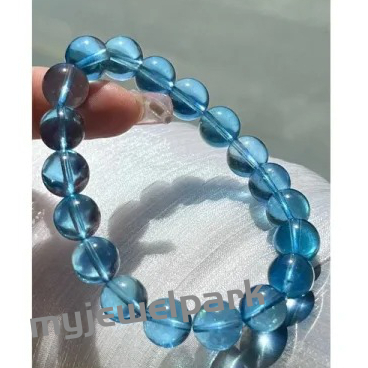
Generally, wearing glue-injected aquamarine does not cause obvious health hazards, but the glue may affect its stability due to high temperature or chemicals. In addition, wearing glue-injected gemstones for a long time may affect their beauty and quality.
In summary, I hope that it can help you make an informed decision when choosing aquamarine. Make sure you buy jewelry that suits you and don’t fall into the trap of jewelry merchants.