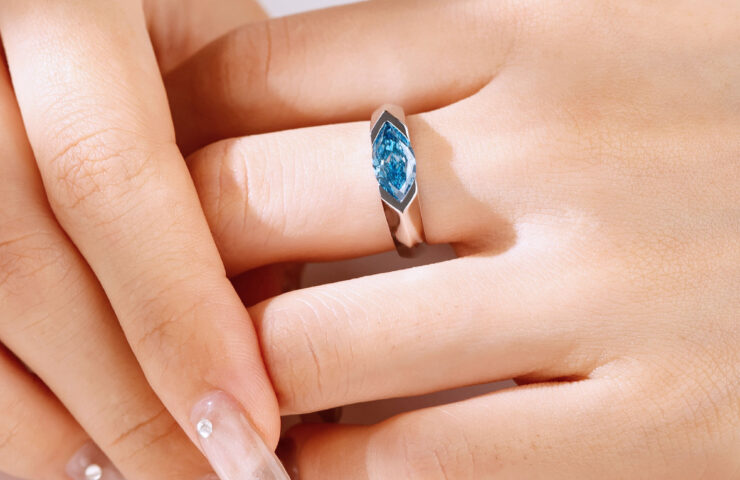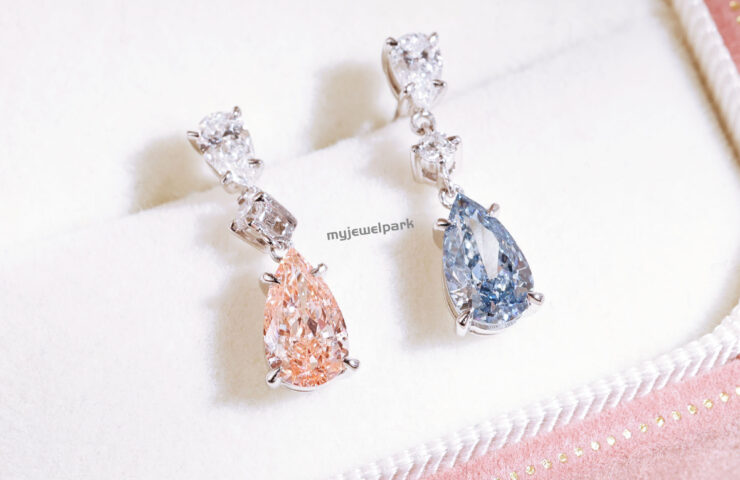
In many cultures, diamond rings represent love and commitment. The ethical issues of diamond rings, especially the issue of “blood diamonds”, are also gaining more and more attention.
“Blood diamonds” refer to diamonds mined in conflict areas, the sale of which often funds armed conflicts and human rights violations. In response to this problem, several international organizations and countries have developed the “Kimberley Process” to ensure that the source of diamonds is legal and does not contribute to violence. Despite these measures, there are still difficulties in identification and supervision.
Consumers can consider several aspects when choosing diamond rings to ensure that they are ethical:
1. Transparency of sources
Choose brands that provide information on the source of diamonds, so that you can ensure that the diamonds you buy are not “blood diamonds”.
2. Sustainable and ethical choices
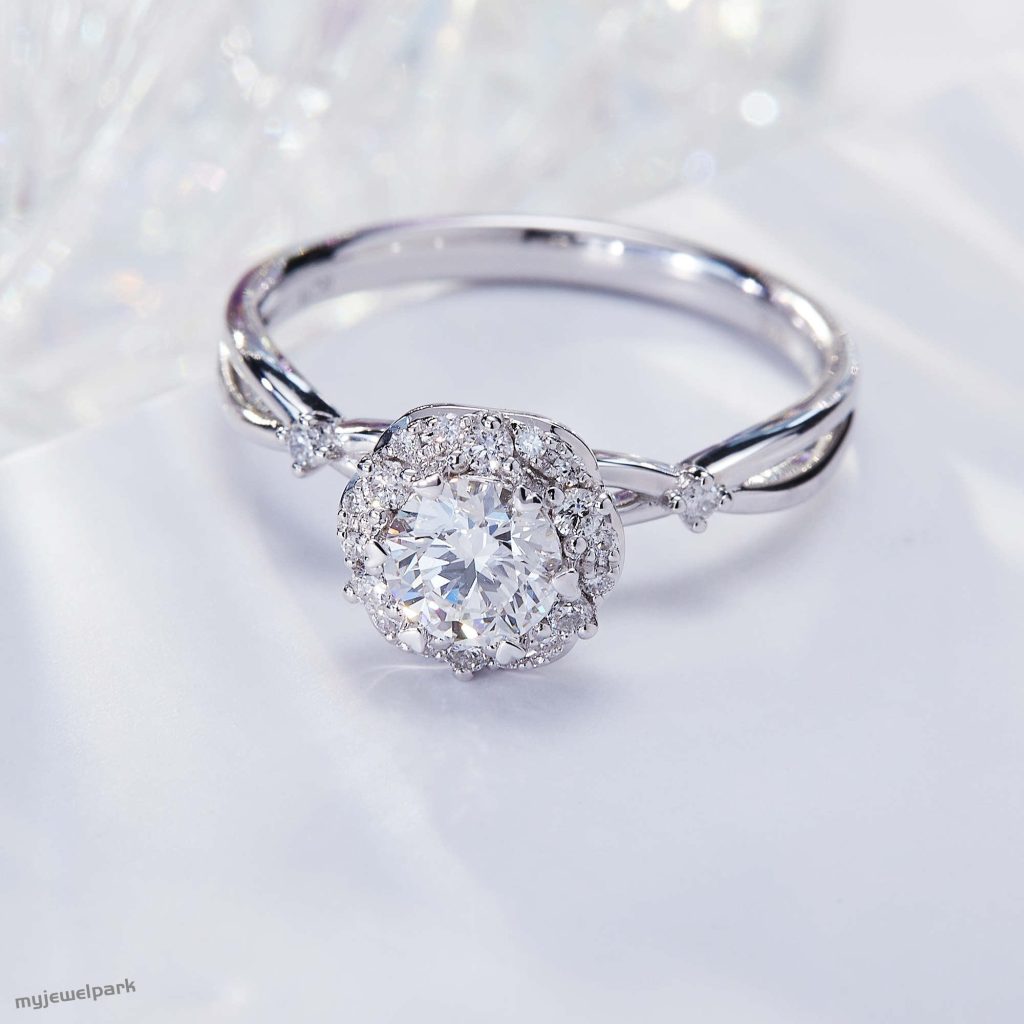
More and more brands are beginning to offer synthetic diamonds or certified ethical diamonds. Consumers can choose these alternatives to reduce the impact on the environment and human rights.
3. Pay attention to the social responsibility of brands
Choose brands that support fair trade and improve the living conditions of miners. Such purchases are not only an expression of your own emotions, but also a kind of social responsibility.
4. Choose lab-grown diamonds
Lab-grown diamonds are not only environmentally friendly, but also reduce harm to natural resources. They have the same beauty and quality as natural diamonds, but also avoid the damage to the environment during the mining process, making them an ethical choice for modern jewelry.
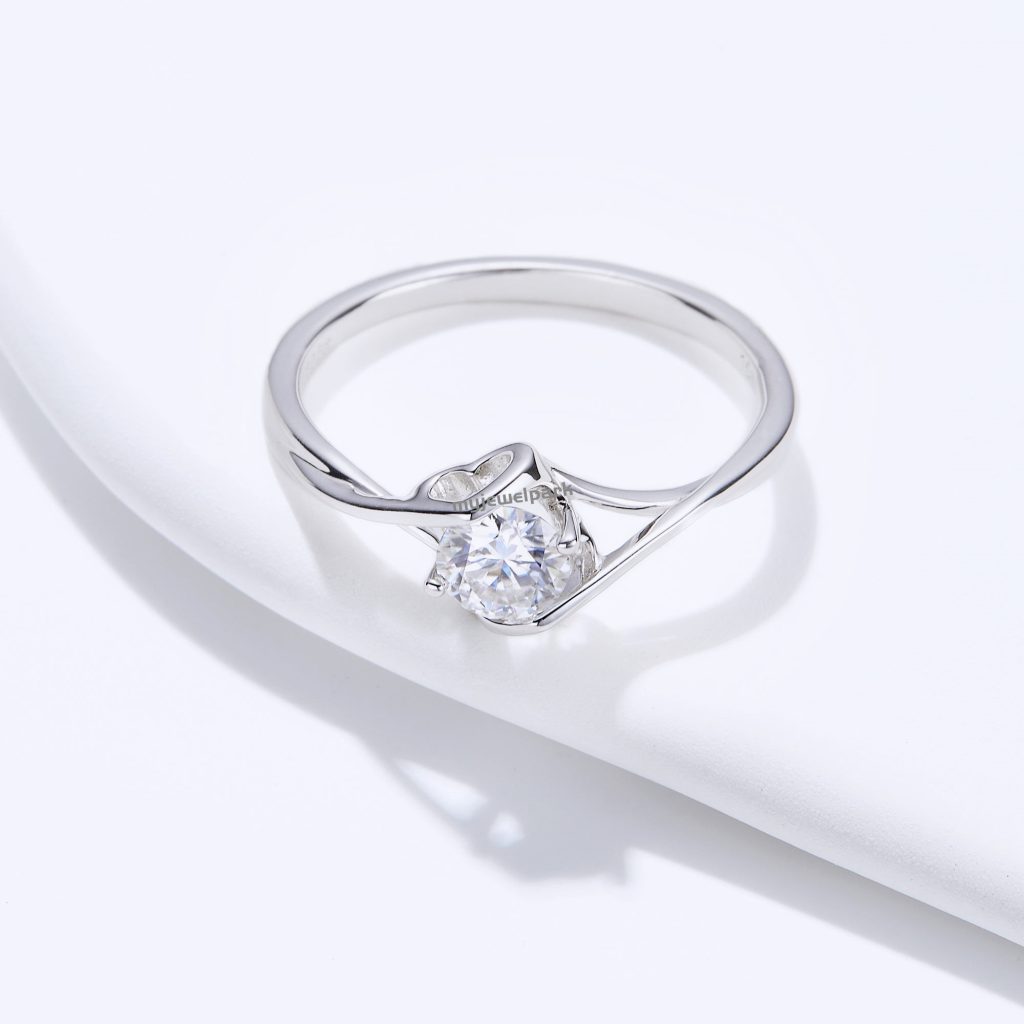
The ethics of diamond rings reflect the consumer’s choice and the brand’s responsibility. By understanding and choosing the right products, consumers can have beautiful jewelry while supporting the concept of ethics and sustainability.