As a rare and precious jewel, padparadscha sapphire is highly valued for its unique pink-orange hue. However, there are many imitations and synthetic stones on the market, so it is particularly important to accurately identify the authenticity of the sapphire. Here are some effective ways to help you identify the authenticity of padparadscha sapphire.
1. Observe the color
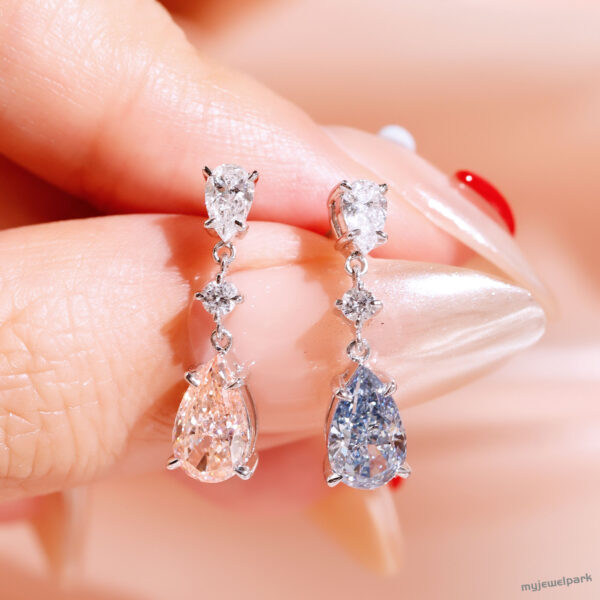
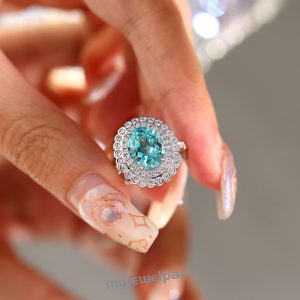
The color of padparadscha sapphire is its most significant feature. A real padparadscha sapphire should show a mixture of pink and orange tones, and the color distribution should be relatively even. If the color is too bright or tends to be a single color, it may be a synthetic stone or a treated stone.
2. Check for inclusions
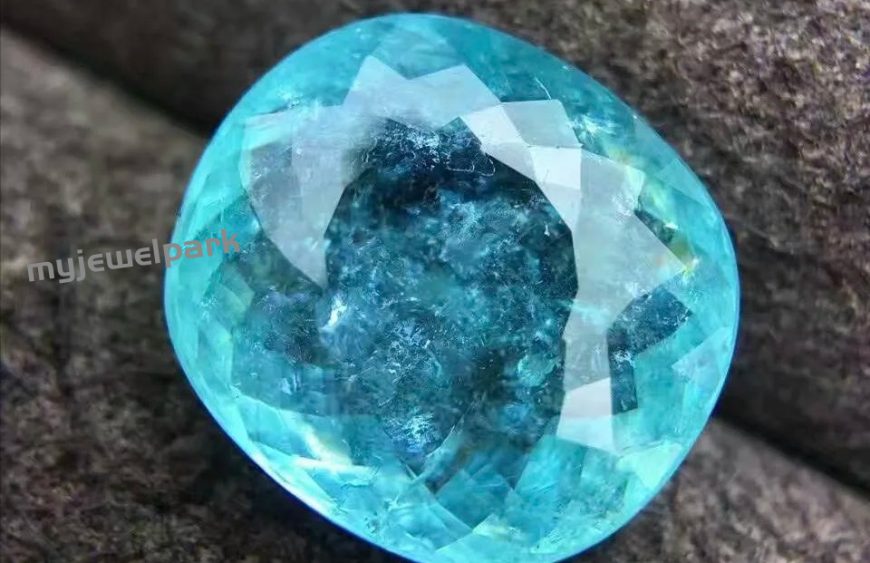
Observe the inclusions inside the gemstone through a magnifying glass or microscope. Real padparadscha sapphires usually have natural baggage (inclusions). These inclusions, such as bubbles and minerals, will produce unique reflections and refractions under light, while synthetic stones tend to be cleaner or have regular inclusions.
3. Test the hardness
The hardness of padparadscha sapphire is 9 (Mohs hardness), second only to diamond. You can use other materials with lower hardness to test its scratching ability. If the surface is easily scratched, it may not be a real sapphire.
4. Color consistency
Under different light sources, the color of real padparadscha sapphires changes less. You can observe the color changes of the gemstone under natural light and artificial light. If the color changes are large, it may be a treated gemstone.
5. Seek professional appraisal
For precious padparadscha sapphires, seeking professional jewelry appraisal institutions is the most reliable method. Professional institutions can provide detailed appraisal reports to ensure that you are buying a real gemstone.