Market acceptance of synthetic rubies
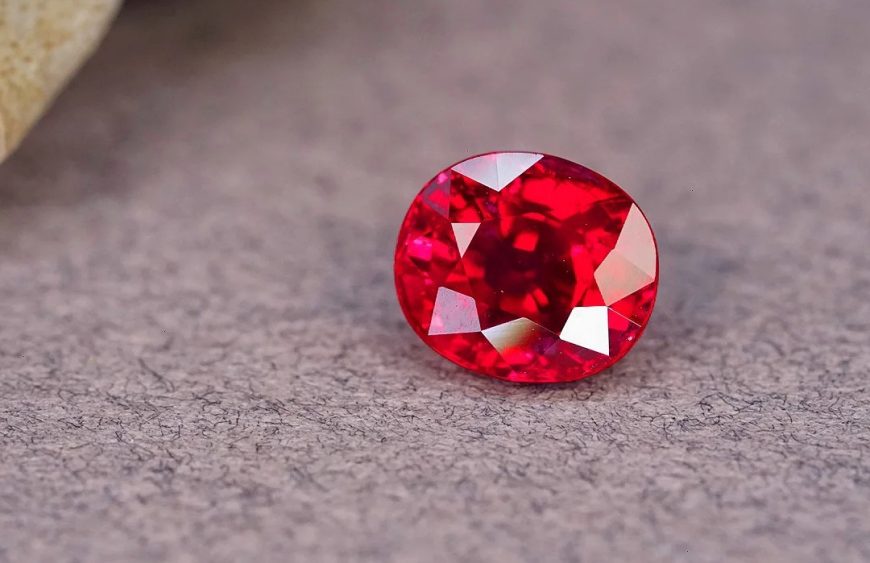
In recent years, the acceptance of laboratory-grown rubies in the jewelry market has gradually increased. More and more consumers have begun to recognize this artificial gemstone. This trend is due to multiple factors, such as price, environmental awareness, and technological progress. This has made synthetic rubies an important part of the jewelry industry.
Price
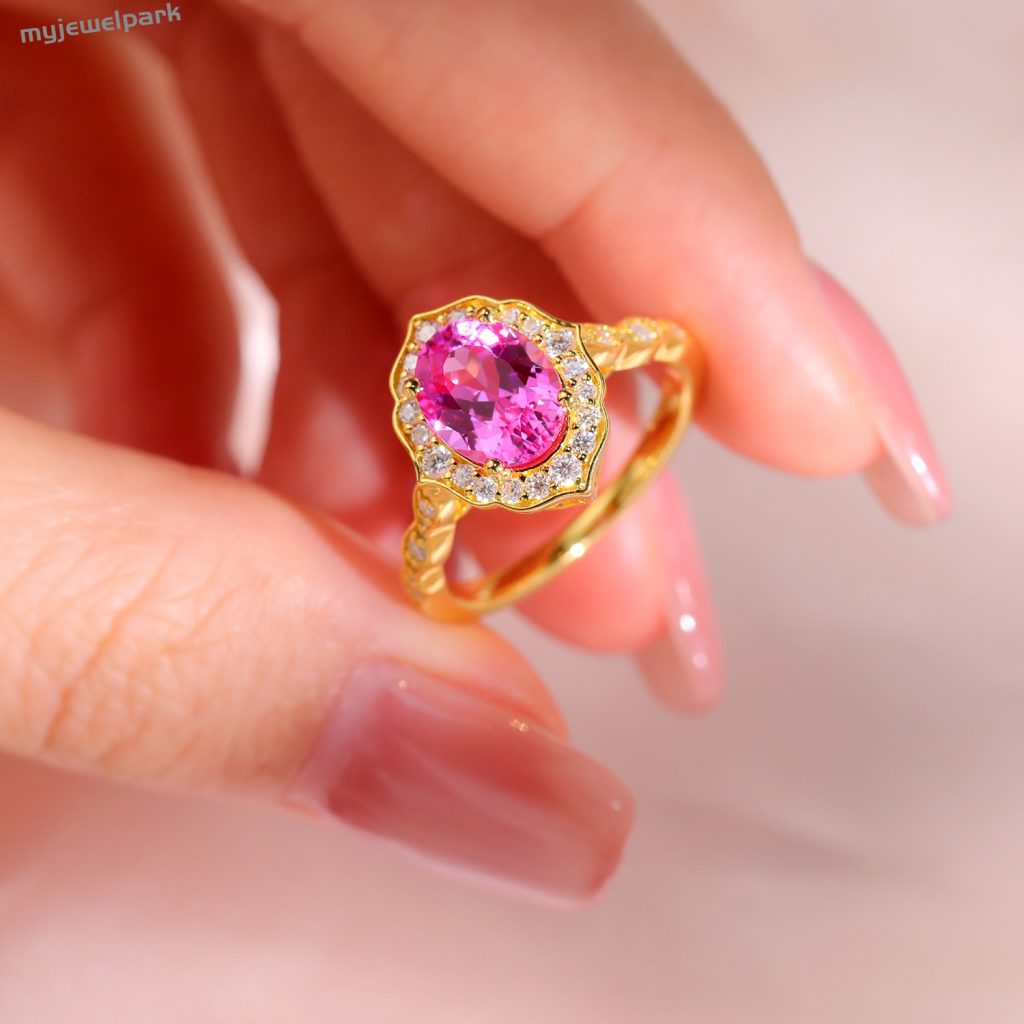
First, price is an important factor affecting market acceptance. Compared with natural rubies, the price of synthetic rubies is usually 50% to 70% lower. The significant price advantage allows consumers to buy high-quality rubies within their budget. This is especially important for young consumers and jewelry lovers with limited budgets. They can get the beautiful appearance of jewelry without sacrificing quality.
Environmental protection and ethical consumption concepts
Secondly, environmental protection and ethical consumption concepts have also promoted the market acceptance of cultivated rubies. The traditional ruby mining process is often accompanied by environmental damage and social responsibility issues. For example, worker exploitation and ecological damage. The production process of laboratory-grown rubies is relatively environmentally friendly. Synthesized in the laboratory reduces the consumption of natural resources. As more consumers pay attention to sustainable development and ethical issues, synthetic rubies have become their first choice.
Technological innovation
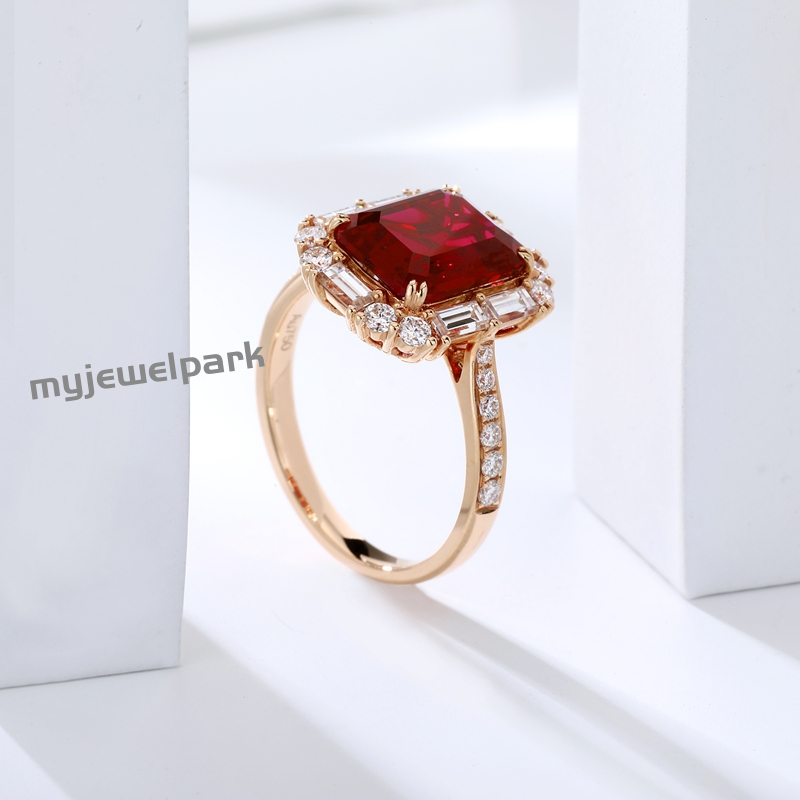
In addition, the rapid development of science and technology has led to the continuous improvement of the quality of laboratory-grown rubies. Modern synthetic technology can precisely control the color, purity and cut of gemstones. It produces high-quality gemstones that look almost the same as natural rubies. This technology allows consumers to enjoy the beauty of natural gemstones without worrying about their origin.
Popular science and publicity
Popular science and publicity by jewelers and retailers also play a key role. By participating in exhibitions and conducting interactive and educational activities. Jewelers help consumers understand the value and advantages of cultured rubies. It eliminates people’s prejudice against artificial gemstones and improves market recognition.
Synthetic rubies have won the attention of consumers with their price advantages, environmental protection characteristics and technological advances. In the future, as people pay more attention to sustainable consumption. We can expect synthetic rubies to occupy a more important position in the jewelry market.