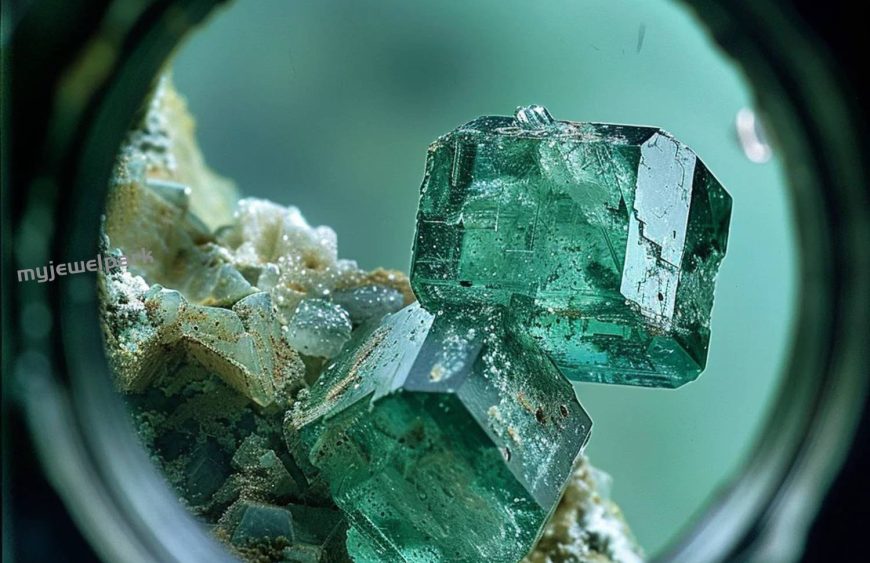
Synthetic emerald, known as lab-grown emerald, is a marvel of modern technology. It replicates the natural formation of this exquisite gemstone. Learn the secrets behind the synthetic emerald process. The precision and innovation involved in creating these amazing gemstones are revealed.
1. Two Main Methods: There are two main methods for producing synthetic emeralds: hydrothermal and flux-grown.
Hydrothermal:

This technique simulates the natural growth environment of emeralds, which occurs under high pressure and temperature conditions deep within the Earth’s crust. Water along with nutrients and minerals are placed in a sealed container where they are subjected to intense heat and pressure. As the temperature and pressure increase, the minerals dissolve in the water, causing the emerald to crystallize over a period of weeks to months. The end result is a synthetic gem that is chemically and structurally identical to a natural emerald.
Flux-grown:
This method utilizes a molten mineral mixture, or “flux,” to help dissolve the raw materials used to create emeralds. The solution is heated to a high temperature, causing emerald crystals to form in the flux. As the solution cools, the flux solidifies, leaving behind the emerald. Compared to the hydrothermal method, this method can produce larger gems more quickly.
2. Quality Control:
One of the main advantages of synthetic emeralds is their consistent quality. During the production process, gemologists closely monitor factors such as temperature and pressure to ensure that synthetic gems are free of the inclusions and flaws commonly found in natural emeralds. This precision results in gems that often have exceptional clarity and vibrancy.
3. Color and Enhancement:
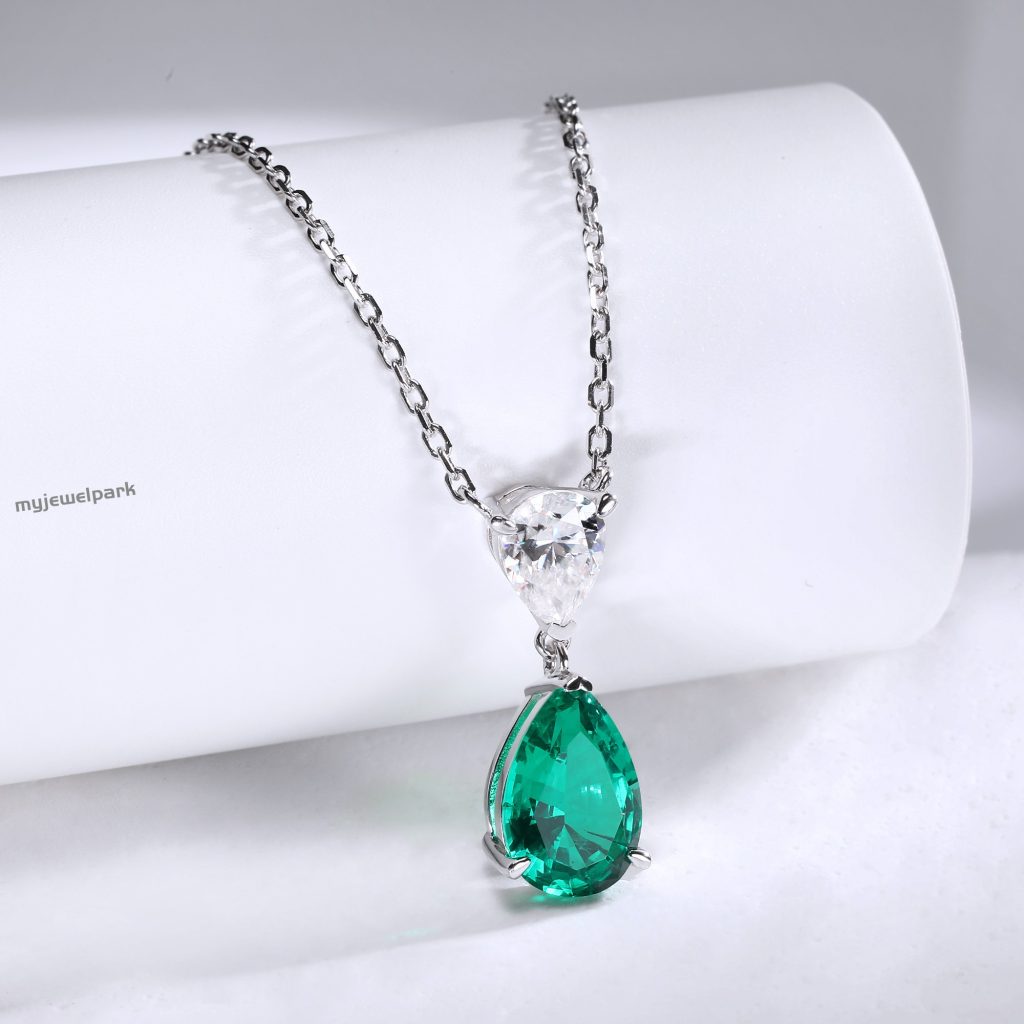
Synthetic emeralds can be produced in a variety of green shades that can be customized to consumer preferences. While natural emeralds may require oiling or other treatments to enhance their appearance, synthetic emeralds generally require no such enhancements, presenting a purer, more vibrant color.
4. Environmental Considerations:
The production of synthetic emeralds is generally less damaging to the environment than mining natural gemstones. By minimizing the impact on ecosystems, lab-grown gems offer an eco-friendly alternative for consumers concerned about sustainability.
In summary, the secrets of the synthetic emerald process showcase the fusion of natural principles and cutting-edge technology. Through methods such as hydrothermal and flux growth processes, quality control measures, and a commitment to ethical production. Synthetic emeralds offer an attractive alternative to natural gemstones, combining beauty and sustainability in every way.