Why does Alexandrite change color?
Alexandrite is a rare and fascinating gemstone known for its extraordinary ability to change color under different lighting conditions. This unique property, known as color change, makes Alexandrite sought after by gemstone enthusiasts and collectors. Learn the science behind this phenomenon and uncover the magic of this extraordinary gemstone.
1. The Science of Color Change:
Alexandrite’s color change is primarily attributed to its unique chemical composition and how it interacts with light. Alexandrite is a type of chrysoberyl that is primarily composed of beryllium aluminum oxide (BeAl2O4), but what makes it unique is the presence of chromium ions (Cr3+). These chromium impurities play a vital role in the gemstone’s color characteristics, allowing it to absorb different wavelengths of light.
2. Different lighting conditions:

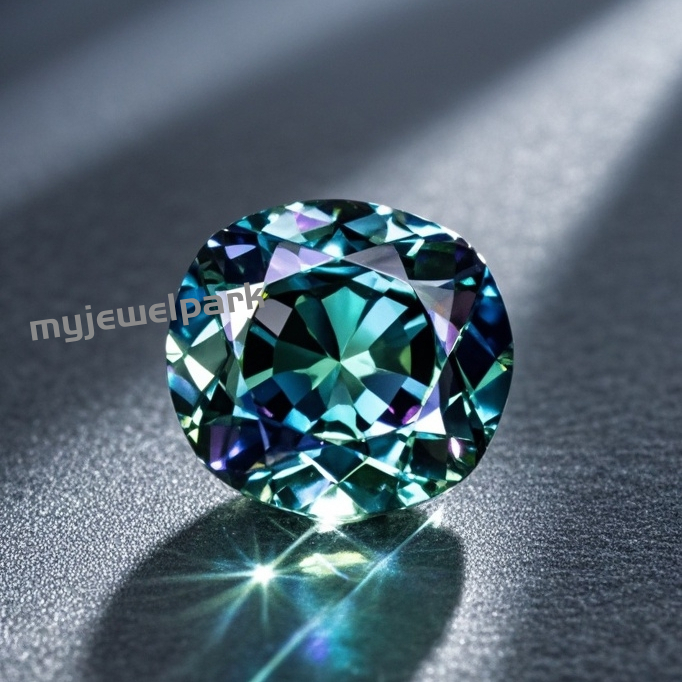
When viewed in natural sunlight, Alexandrite typically appears in a vivid green or blue-green hue. This is because sunlight is composed of a variety of colors, and gemstones absorb specific wavelengths associated with those colors. Conversely, under incandescent light, which emits a warmer light, Alexandrite reflects a red or purple hue. Differences in light sources cause the chromium in the gem to absorb and reflect light in different ways, producing stunning color changes.
3. The Role of Temperature:
Temperature also has a subtle effect on the way we perceive alexandrite’s color. Warm light, like that from a lamp or candle, can enhance red tones, while cool light, like daylight, can accentuate greens. This dynamic interplay adds to alexandrite’s allure as its appearance subtly changes depending on the environment.
4. Rarity and Value:
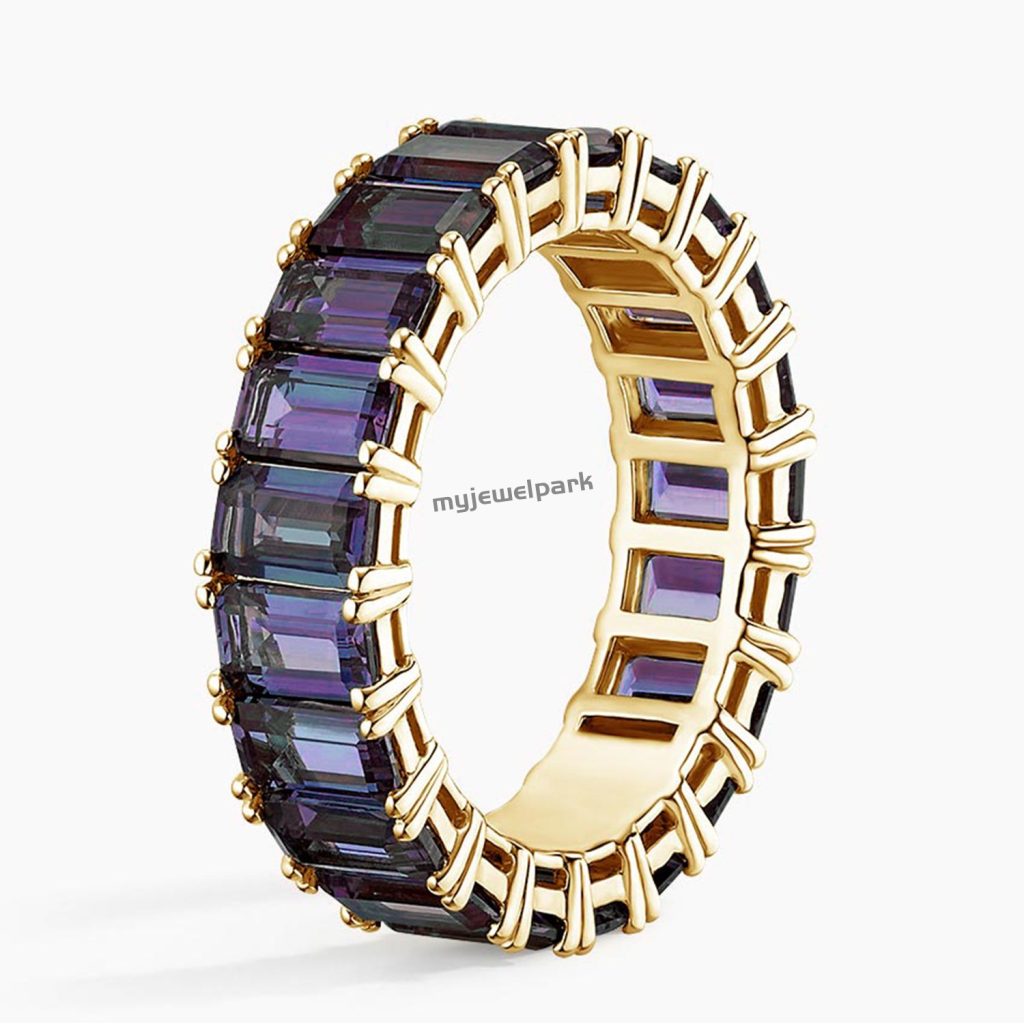
Not only is the color-changing ability a fascinating natural phenomenon, it is also a factor that significantly increases alexandrite’s value. High-quality specimens that exhibit intense and vivid color changes are especially rare and highly sought after, leading to impressive prices on the jewelry market.
5. Historical Significance:
First discovered in the Ural Mountains of Russia in the 1830s, alexandrite’s color-changing properties captured the imagination of gem lovers. It was said to symbolize good luck and was even associated with Russian Tsar Alexander II.
In summary, alexandrite’s color-changing ability stems from the interaction of its unique chemical composition and light sources. This pleasing change not only enhances its aesthetic appeal but also solidifies its place as a coveted gemstone in the world of fine jewelry.