Advantages and Disadvantages of Synthetic Sapphire
Synthetic sapphire has gained popularity in recent years, especially in jewelry and technology. While it shares many qualities with natural sapphire, it also comes with its own set of advantages and disadvantages. Understanding these can help you make an informed decision when considering synthetic sapphire.
Advantages
1. Cost-Effectiveness:
One of the most significant benefits of synthetic sapphire is its affordability. While natural sapphires can be quite expensive, synthetic versions are typically much cheaper. This means you can enjoy the beauty of sapphire without overspending.
2. Consistent Quality:
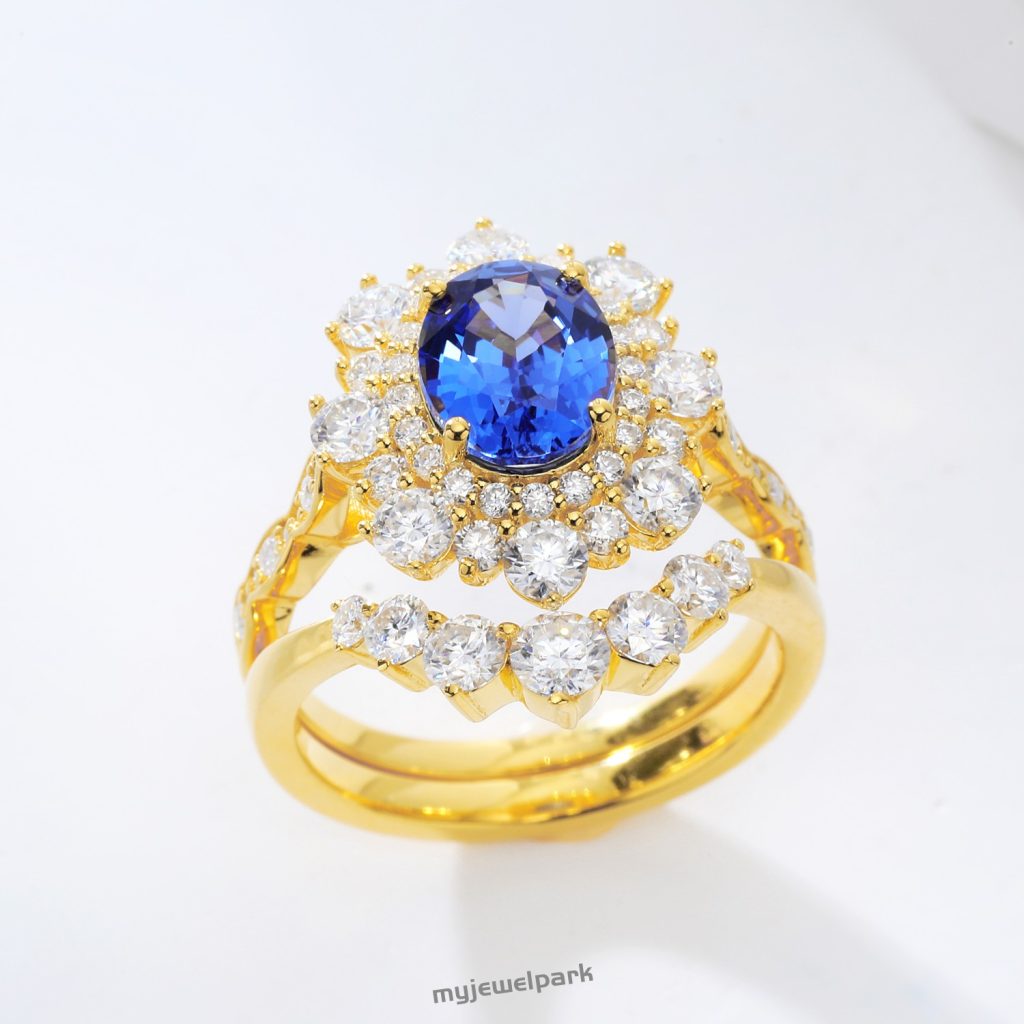
Synthetic sapphires are manufactured under controlled conditions, resulting in uniform color and clarity. This consistency makes it easier to find exactly what you’re looking for, without the variability often found in natural stones.
3. Ethical Sourcing:
The production of synthetic sapphires avoids many of the ethical concerns associated with natural gemstone mining, such as labor exploitation and environmental damage. Choosing synthetic gemstones supports a more sustainable and responsible industry.
4. Variety of Colors:
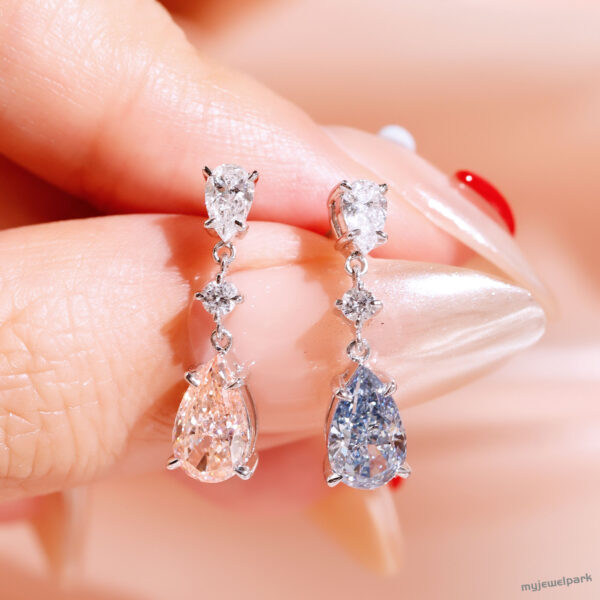
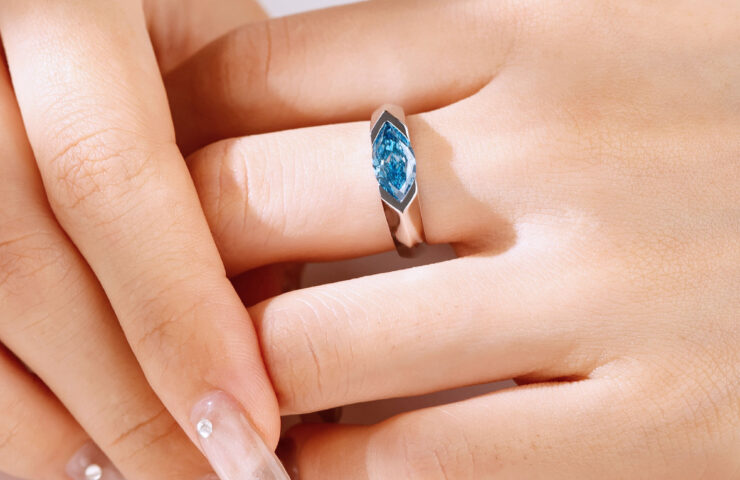
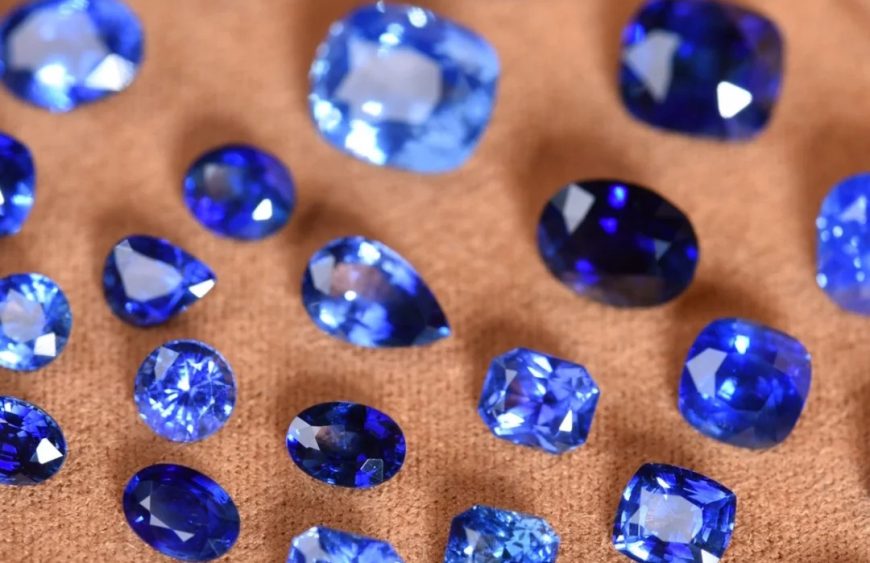
Synthetic sapphires can be produced in a wide range of colors, allowing for greater customization and options. Whether you prefer traditional blue or unique hues, there’s likely a synthetic sapphire to match your vision.
5. Durability:
Just like natural sapphires, synthetic sapphires are incredibly hard and durable, making them suitable for everyday wear in rings, necklaces, and other jewelry pieces.
Disadvantages
1. Perceived Value:

Despite their beauty, synthetic sapphires may carry a stigma for some consumers who prefer natural gemstones due to their rarity and the allure of their natural origins. This perception can affect resale value.
2. Lack of Natural Beauty:
Some people argue that natural sapphires have unique inclusions and characteristics that give them personality and charm. Synthetic sapphires, while flawless, may lack this individuality.
3. Potential for Misrepresentation:
Not all sellers are upfront about whether a sapphire is synthetic or natural. This can lead to misunderstandings and potentially unfair pricing. It’s essential to buy from reputable sources that clearly disclose the stone’s origin.
4. Limited Investment Potential:
Natural sapphires can appreciate in value over time, making them an investment for some buyers. Synthetic sapphires, on the other hand, typically do not hold the same investment potential, as their supply is essentially unlimited.
5. Market Acceptance:
Some traditionalists in the jewelry market still favor natural gemstones and may not accept synthetic stones as true gems. This can affect how synthetic sapphires are viewed within certain circles.
Synthetic sapphires offer outstanding affordability, consistent quality, and ethical sourcing, making them a fantastic choice for many. However, potential buyers should consider the perceived value and implications of buying synthetic versus natural stones. Understanding the advantages and disadvantages can help you make a choice that aligns with your preferences and values while still enjoying the beauty of sapphire.