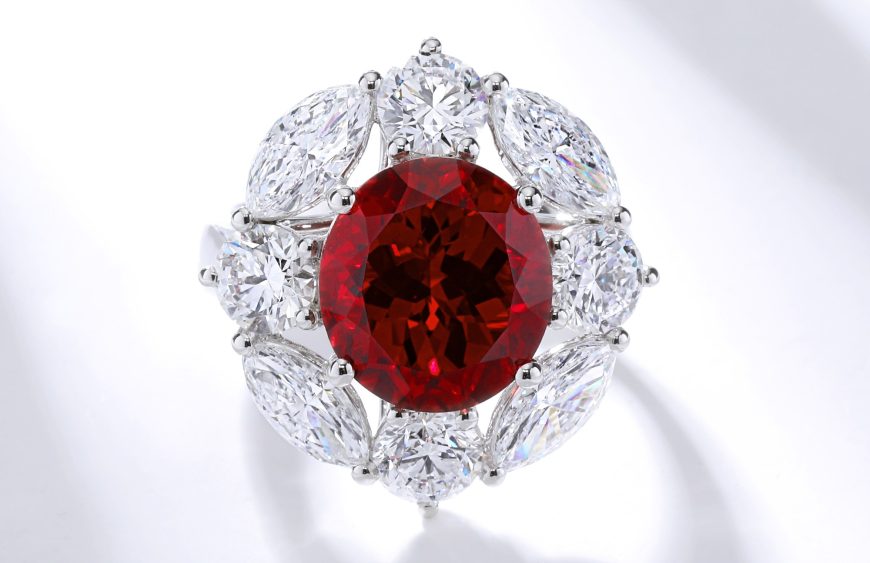
Gemstone formation refers to the process by which gemstones are formed beneath the surface of the Earth. Gems take millions of years to form in a variety of environments beneath the surface of the Earth. Generally speaking, gemstones can be divided into three categories based on the nature of the rock: igneous (magma), metamorphic, and sedimentary.
Igneous or igneous rocks are formed by the crystallization of molten magma, lava, or gas. Sedimentary rocks are formed by the crystallization of aqueous solutions at or near the surface of the Earth, while metamorphic rocks are formed by the recrystallization of existing materials under extreme pressure and heat.
As minerals form, the main components, temperature, and pressure gradually transform them into different minerals. While these materials continue to crystallize into beautiful minerals, if the conditions are not right, crystals cannot form and the magma will form a single aggregate rock (small solid materials, interlocking crystals). Before the magma can all crystallize, the magma penetrates the Earth’s crust and flows to the surface.
When the pressure and temperature are too low to form crystals, the remaining magma cools and forms fine-grained rocks. The original crystals are widely distributed in the rock. Gems formed under these conditions include sapphire, ruby, moonstone, garnet, and zircon. This makes the color growth and cracks of each natural ruby different!
When cultivating rubies, engineers analyze and understand the chemical composition, physical properties and natural sources of natural gemstones, and simulate the natural formation environment of natural gemstones in the laboratory to cultivate gemstones that perfectly match the composition and characteristics of natural gemstones.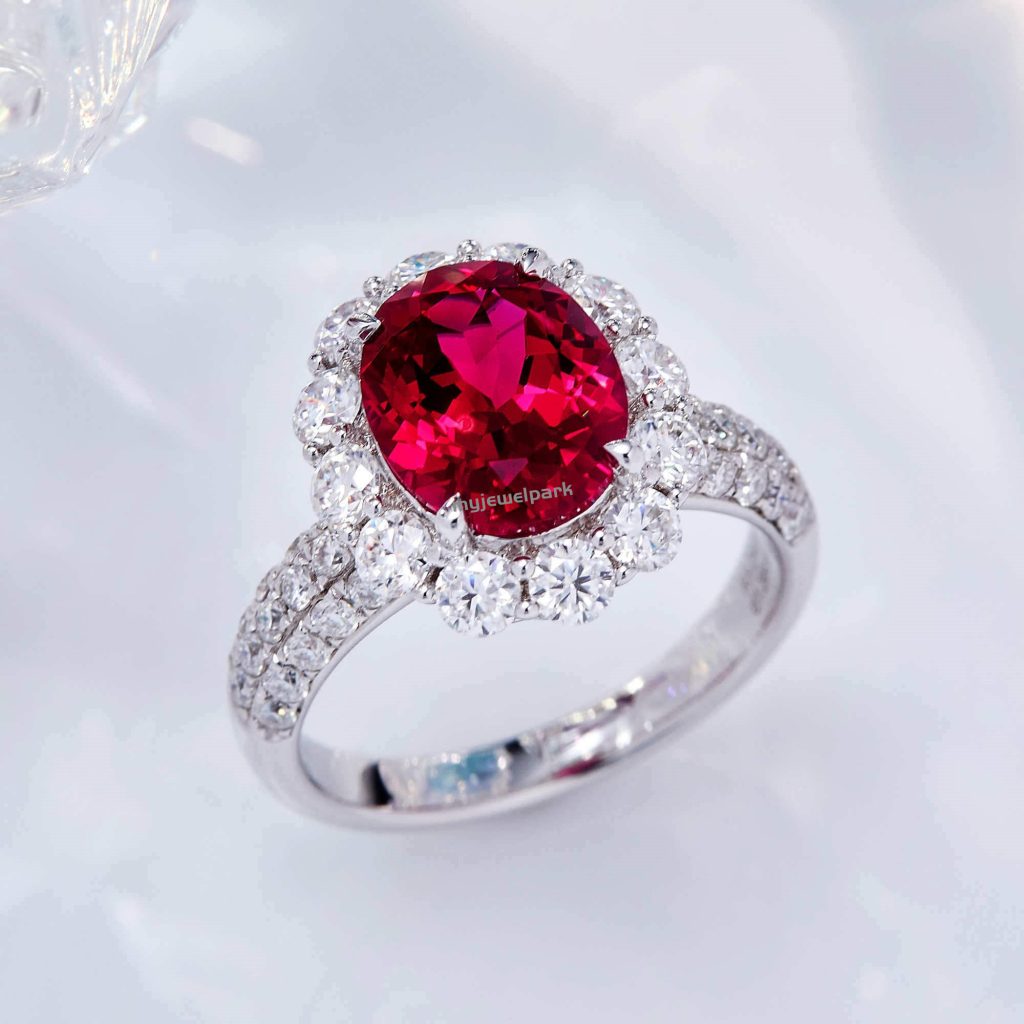
Although the collection value of cultivated rubies is not as good as that of natural rubies, the price is relatively affordable. It is also a good choice to buy them as jewelry.