Do Lab-Grown Diamonds Turn Yellow Over Time?
As lab-grown diamonds surge in popularity for their ethical sourcing and budget-friendly appeal, one question dominates forums like Reddit and Quora: “Will my lab diamond turn yellow like old plastic?” Let’s debunk myths, dive into science, and share real stories to put your mind at ease.
The Short Answer: No
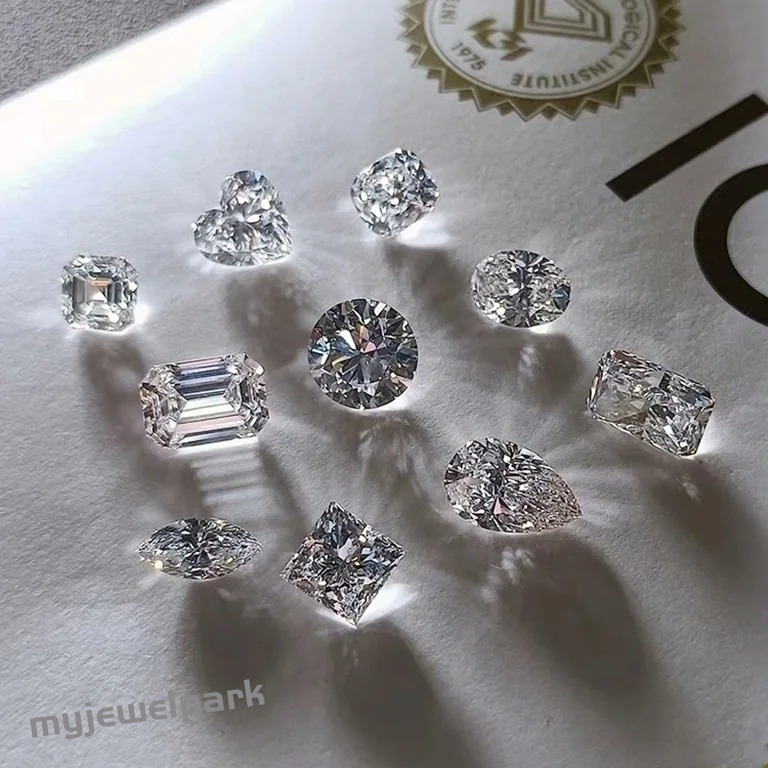
Lab-grown diamonds are real diamonds—chemically identical to mined ones. They share the same carbon structure, hardness (10/10 on the Mohs scale), and optical properties. Like natural diamonds, they won’t yellow over time under normal conditions.
But wait! A Reddit user recently posted: “My engagement ring looked dull after a year. Did I get scammed?” Turns out, her diamond wasn’t yellowing—it was clogged with sunscreen and lotion residue. A quick soak in warm soapy water restored its sparkle.
Why the Confusion? Science vs. Perception
Nitrogen & Color Grading:
Trace nitrogen during growth can cause a faint yellow tint, but this is permanent and graded at creation (e.g., GIA’s D-Z scale). High-quality lab diamonds (D-F grades) avoid this through advanced methods like CVD (Chemical Vapor Deposition) or HPHT (High-Pressure High-Temperature).
Temporary “Yellowing”:
Dirt Buildup: Oils, soap, and skincare products create a filmy layer. (Pro tip: Remove rings before applying hand sanitizer!)
Lighting Tricks: Incandescent bulbs can cast warm tones, making near-colorless diamonds appear yellowish. Swap to LED lights for a truer view.
Extreme Conditions (Rare!):
Lab tests show prolonged UV exposure or temperatures above 500°C might cause temporary color shifts, but these scenarios are unrealistic for daily wear.
Real Stories, Real Reassurance
Quora User’s Relief: “I panicked when my lab diamond looked ‘off.’ My jeweler laughed—it just needed a clean. Now it’s as icy as day one!”
Reddit Debate: A user argued that HPHT diamonds risk yellowing, but gemologists clarified: “Modern HPHT stones are stable. Only poorly made ones from decades ago had issues.”
How to Keep Your Lab Diamond Pristine
Clean Monthly: Use mild soap, water, and a soft brush. Avoid harsh chemicals.
Professional Checkups: Annual ultrasonic cleaning ensures settings stay secure and grime-free.
Store Smartly: Keep jewelry separate to prevent scratches—a velvet-lined box works wonders.
Why Millennials & Gen Z Prefer Lab Diamonds
Beyond sustainability, buyers love customization. Want a vivid yellow CVD diamond without the $50k price tag? Lab-grown options deliver. One TikTok influencer raved: “My canary-yellow lab diamond cost less than my vacation—zero guilt!”.
Final Verdict: No, Lab-Grown Diamonds Do Not Turn Yellow
A high-quality lab-grown diamond will maintain its clarity and brilliance indefinitely, just like a natural diamond. Any discoloration concerns are likely due to misconceptions, low-quality stones, or dirt buildup—not the actual diamond changing color.
About Us
China Luster is one of the largest lab-grown gemstone and gold and silver jewelry manufacturers in Wuzhou. Integrating design, production and sales since 1997, exporting to all over the world. Focusing on hand-cutting and grinding, with more than 27 years of manufacturing experience. We sell high-quality lab-grown gemstones and diamonds. Customized and inlaid by masters with more than 20 years of experience in fine cutting of natural gemstones. They are relatively cheaper than natural ones, and their physical and chemical properties are exactly the same as natural ones, except that natural ones lack a little historical value. All products are discounted during the promotion period 👉