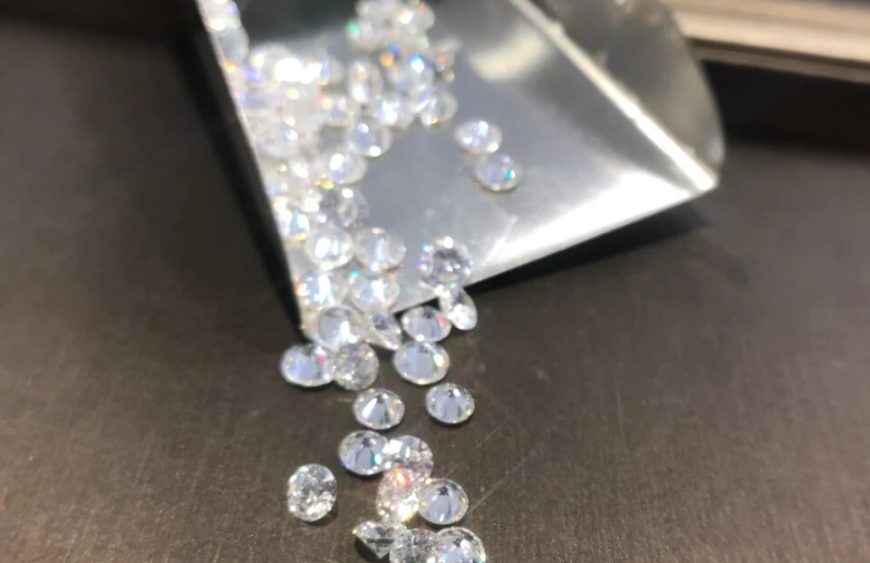
Are Lab Diamonds Worthless After Purchase? Debunking the Resale Myth
(Spoiler: They’re Not—Here’s Why Smart Shoppers Don’t Panic)
As lab-grown diamonds flood the market, a heated debate rages: “Do they lose all value once you walk out of the store?” Forums like Reddit’s r/Diamonds explode with posts like, “I regret my lab diamond—it’s like buying a used iPhone!” But before you swear off synthetic gems, let’s separate fact from fearmongering.
The Truth About Depreciation: Lab vs. Mined
Lab diamonds do depreciate faster than natural ones—but so do most consumer goods, from cars to designer handbags. Natural diamonds retain ~30-50% resale value; labs hover around 10-30%, depending on quality and certification.
Reddit Reality Check: A user lamented selling their 1-carat lab diamond for 20% of its retail price. But another fired back: “You paid 70% less upfront than for a mined diamond. You still saved thousands!”
Why Resale Value Isn’t the Whole Story
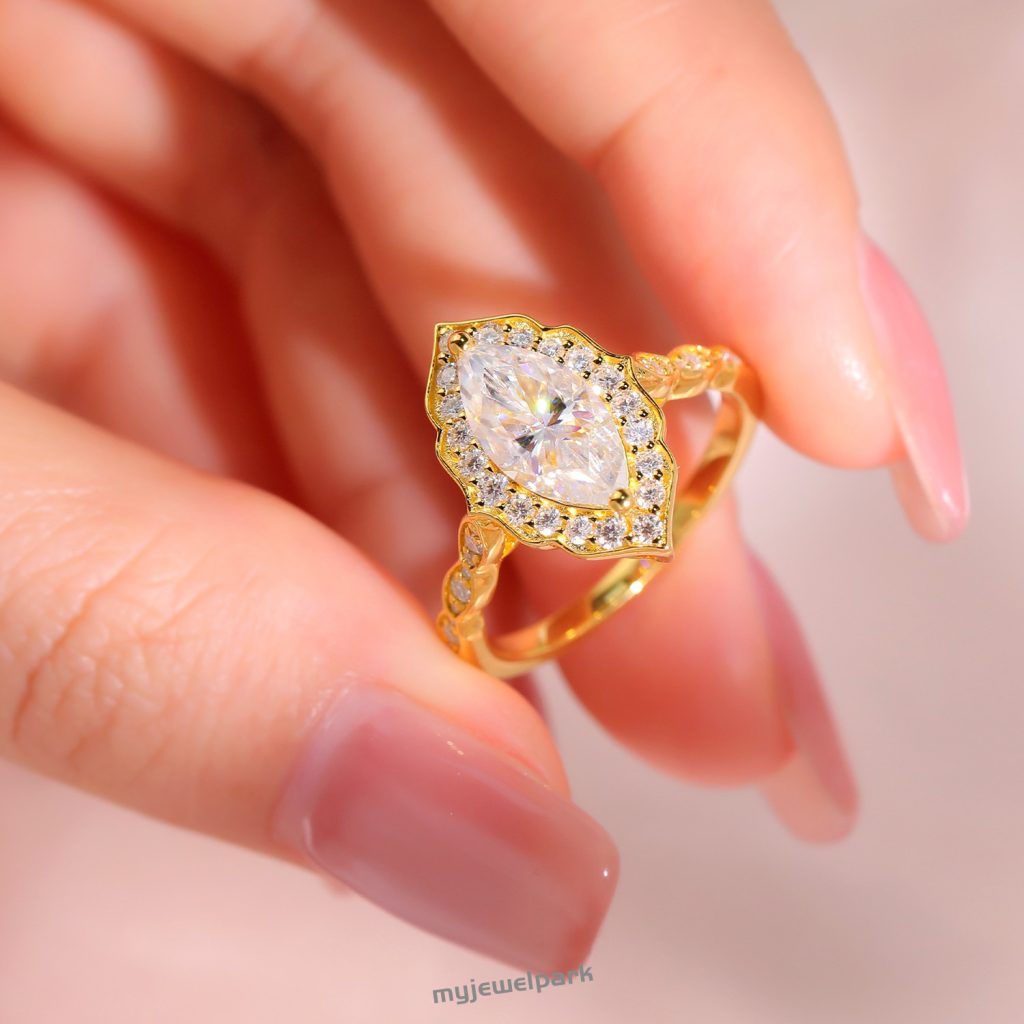
The “Forever” Fallacy:
Natural diamonds aren’t investments either. As Bloomberg notes, “Only rare colored diamonds (pink, blue) gain value. Most clear mined diamonds depreciate too—just slower.”
Millennial Mindset:
Younger buyers prioritize ethical sourcing and customization over resale. A Quora user wrote: “I’d rather ‘lose’ $1k on a lab diamond than fund environmental destruction for a mined stone.”
Lab Diamond Upgrades:
Brands like Ada Diamonds and Clean Origin now offer trade-in programs. Swap your old lab diamond for a larger one by paying the difference—no resale hassle.
When Do Lab Diamonds Hold Value?
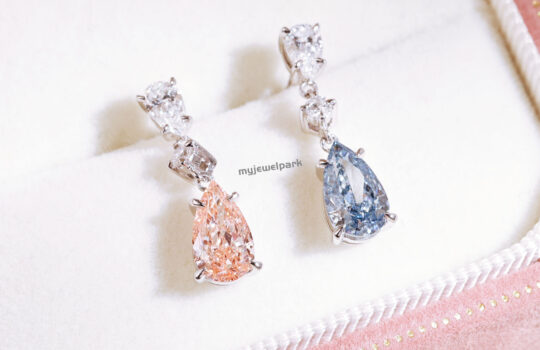
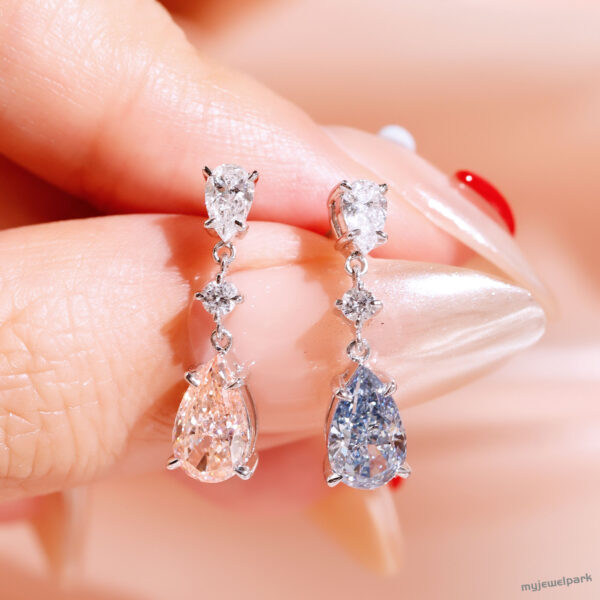
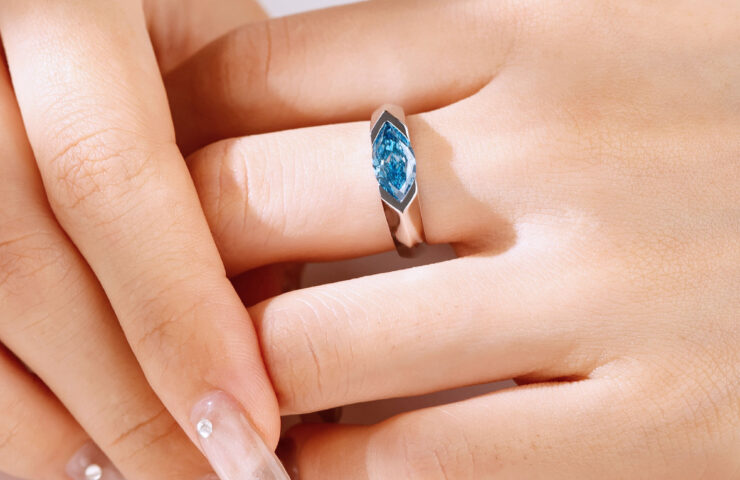
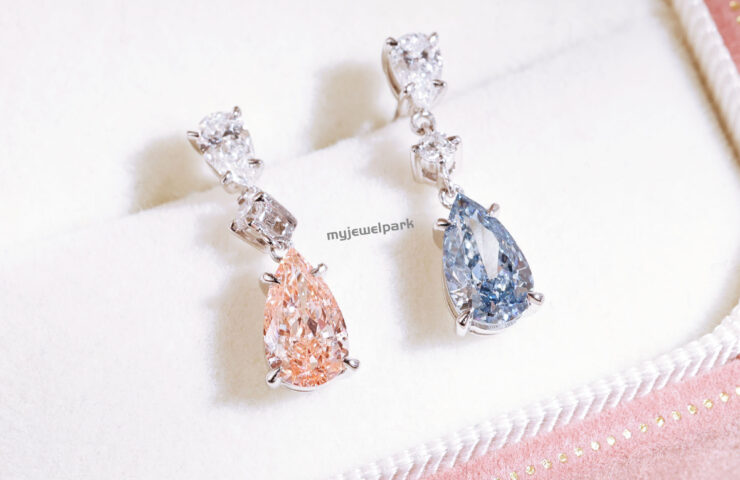
Rare Colors: Fancy vivid yellows or blues made via CVD can retain value better.
IGI/GIA-Certified Stones: Grading reports boost buyer trust. A Reddit seller shared: “My IGI-certified 2-carat lab diamond sold in 2 days on Loupe Troop!”
Designer Collaborations: Limited-edition pieces (e.g., Pandora’s lab-grown collections) attract collectors.

The Real Villain: Misinformation
A viral TikTok claimed “all lab diamonds are worthless,” but commenters roasted the take:
“By that logic, your $10 H&M top is worthless too. It’s about cost-per-wear!”
“My grandma’s natural diamond ring appraised for 1/4th what Grandpa paid. Time kills all value.”
How to Maximize Your Lab Diamond’s Worth
Buy Certified: Stick to IGI or GIA-graded stones.
Choose Timeless Cuts: Round brilliants and ovals resell easiest.
Keep Packaging: Original receipts and boxes reassure buyers.
Sell Smart: Use platforms like Lab Diamond Exchange UK or Facebook groups—avoid pawn shops.
The Bottom Line
Lab diamonds aren’t “worthless”—they’re budget-savvy, ethical choices for wearers, not hoarders. As one industry insider told Jewellery Journal: “Value is subjective. If you adore your ring, its sentimental worth is infinite.”
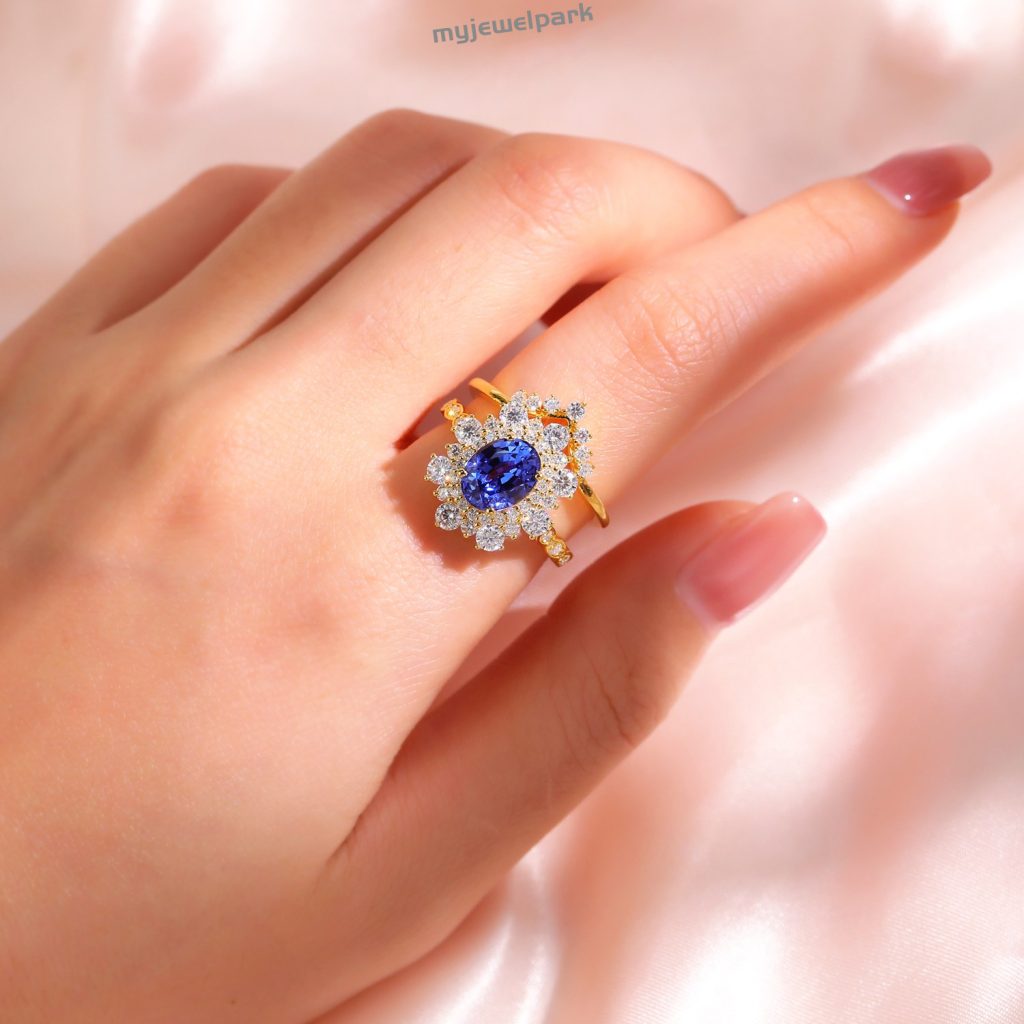
About Us
China Luster is one of the largest lab-grown gemstone and gold and silver jewelry manufacturers in Wuzhou. Integrating design, production and sales since 1997, exporting to all over the world. Focusing on hand-cutting and grinding, with more than 27 years of manufacturing experience. We sell high-quality lab-grown gemstones and diamonds. Customized and inlaid by masters with more than 20 years of experience in fine cutting of natural gemstones. They are relatively cheaper than natural ones, and their physical and chemical properties are exactly the same as natural ones, except that natural ones lack a little historical value. All products are discounted during the promotion period 👉
Agree? Disagree? Share your take below! Let’s normalize realistic expectations for modern gems.
Sources: IGI reports, Bloomberg analysis, Loupe Troop resale data.