Lab-Grown Rubies vs. Synthetic Alternatives: What’s the Difference?
The demand for artificial gemstones is booming, driven by eco-conscious buyers and budget-savvy shoppers seeking sustainable jewelry. But confusion lingers: What separates a lab-grown ruby from synthetic alternatives like cubic zirconia or garnet? Let’s break it down—with insights from real-world discussions.
Lab-Grown Rubies: Nature’s Twin, Made in a Lab
Lab-grown rubies are real rubies, sharing the same chemical makeup (Al₂O₃ with chromium) and physical properties as mined stones. Created using methods like the Verneuil process (flame fusion) or hydrothermal techniques, they’re virtually indistinguishable from natural rubies. As Reddit user u/GemGeek2023 notes: “My jeweler couldn’t tell my lab ruby from my grandma’s heirloom ring—even under a loupe!”
These gems appeal to those prioritizing ethical gemstones and conflict-free jewelry, with prices 30–70% lower than mined rubies. They’re graded using the same standards (color, clarity, cut) and often come with certifications from labs like IGI or GIA.
Synthetic Alternatives: The Lookalikes
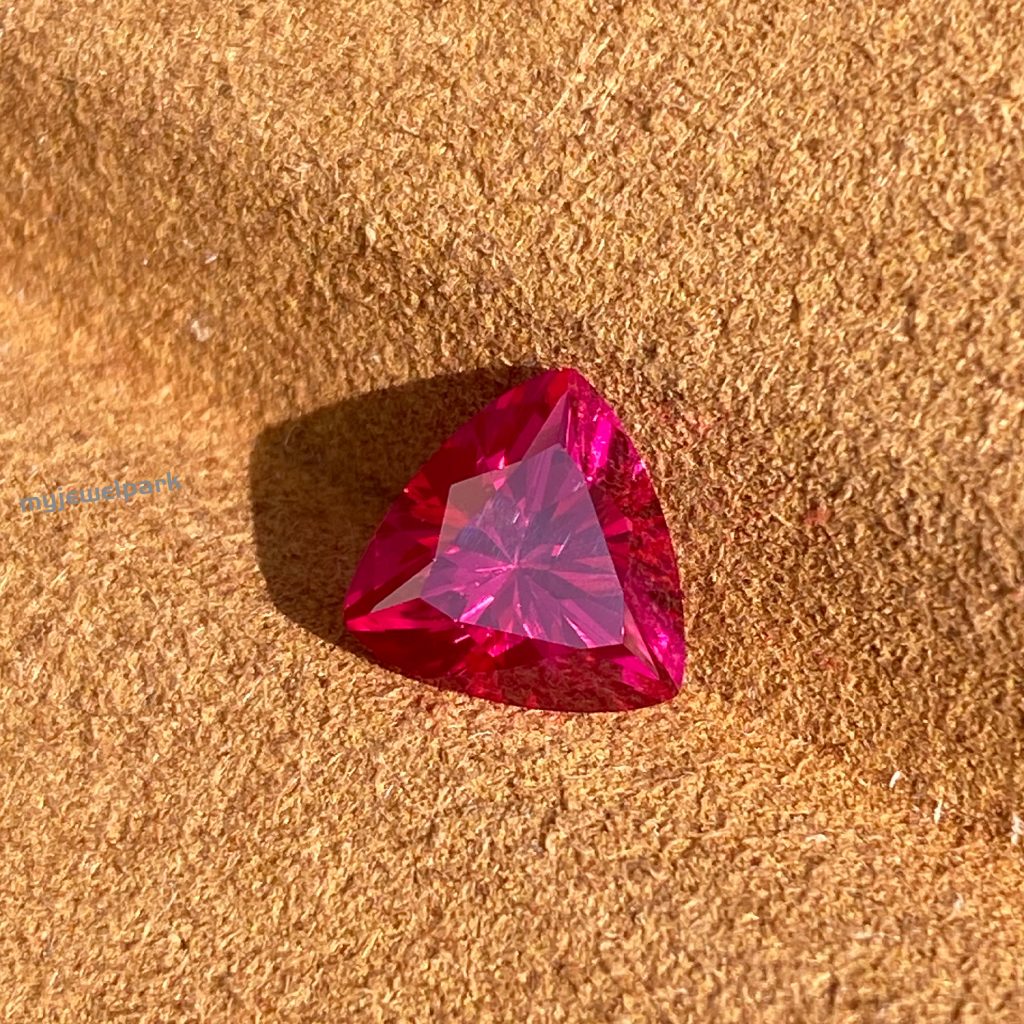
“Synthetic alternatives” refer to stones that mimic ruby’s appearance but aren’t corundum. Popular options include:
Cubic Zirconia (CZ): Affordable and widely used, but softer (Mohs 8.5 vs. ruby’s 9) and lacks natural brilliance.
Lab-Grown Garnet: Deeper red hues but lower durability.
Moissanite: Known for diamond-like sparkle, sometimes tinted red.
On Quora, user @SparkleSeeker asks: “Why pay more for lab ruby when CZ looks similar?” The answer? Longevity. CZ scratches easily, while lab rubies endure daily wear.
Key Differences: Cost, Ethics, and Sparkle
Durability: Lab rubies (Mohs 9) outlast alternatives. As one Reddit commenter jokes: “CZ is for ‘fancy dress,’ lab ruby is for ‘I’m never taking this off.’”
Value Retention: Lab rubies hold value better than synthetics.
Aesthetics: Alternatives often have unnatural hues or excessive sparkle. A Quora user compares red moissanite to ruby: “It’s like comparing disco glitter to candlelight.”

What Buyers Are Saying?
Forum debates highlight generational divides. Older buyers often view synthetics as “fake,” while millennials and Gen Z champion affordable luxury. Reddit’s r/SustainableFashion features a viral post titled “Lab ruby = guilt-free glam,” praising the shift away from mining.
Yet, some remain skeptical. A user on a jewelry forum warns: “Not all ‘lab-grown’ claims are equal. Always ask for certification!”
Choosing What’s Right For You
Lab-grown ruby is ideal for engagement rings or heirlooms, offering durability and prestige.
Synthetic alternatives work for fashion jewelry or temporary pieces.
As the line between natural and lab-made blurs, the choice hinges on personal values. Are you after timeless elegance or trendy affordability?
About Us
China Luster is one of the largest lab-grown gemstone and gold and silver jewelry manufacturers in Wuzhou. Integrating design, production and sales since 1997, exporting to all over the world. Focusing on hand-cutting and grinding, with more than 27 years of manufacturing experience. We sell high-quality lab-grown gemstones and diamonds. Customized and inlaid by masters with more than 20 years of experience in fine cutting of natural gemstones. They are relatively cheaper than natural ones, and their physical and chemical properties are exactly the same as natural ones, except that natural ones lack a little historical value. All products are discounted during the promotion period 👉