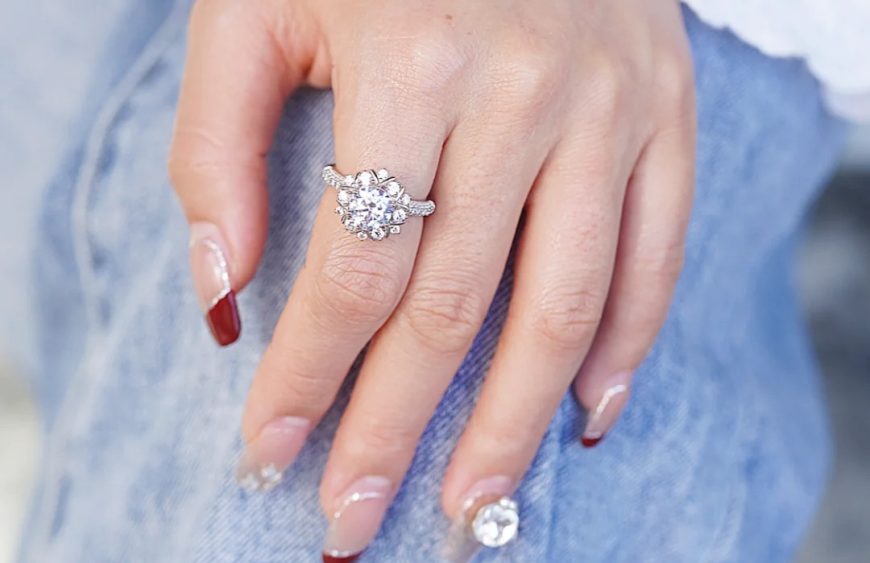
Why Is My Lab Diamond Testing as Moissanite? Understanding the Confusion
If you’ve recently purchased a lab-grown diamond only to have it flagged as moissanite by a tester, you’re not alone. This mix-up is a common headache for many jewelry enthusiasts, sparking debates on forums like Reddit and Quora. Let’s unpack why this happens and how to navigate the confusion—without losing your sparkle.
The Science Behind the Misidentification
Lab diamonds and moissanite are both stunning ethical jewelry options, but their chemical structures differ. Lab diamonds are pure carbon, identical to natural diamonds, while moissanite is silicon carbide. The confusion arises because some diamond testers rely on thermal conductivity—a property both stones share. As one Reddit user in r/EngagementRings vented, “My jeweler’s old tester couldn’t tell the difference. Turns out, my lab diamond was legit—it was just their equipment that was outdated!”
Cheap or older testers often miss the nuance. Advanced devices, however, measure electrical conductivity. Moissanite conducts electricity; diamonds (lab or natural) do not. If your stone is misread, the tester might be the culprit.
Real Stories, Real Frustrations
A viral Quora thread highlights this issue: “I panicked when my $20 Amazon tester said ‘moissanite.’ But a professional appraisal confirmed it was a lab diamond,” shared a user. Similarly, a Reddit post in r/Moissanite debated whether sellers accidentally swap stones, but most agreed mislabeling is rare. Instead, testing methods are usually to blame.
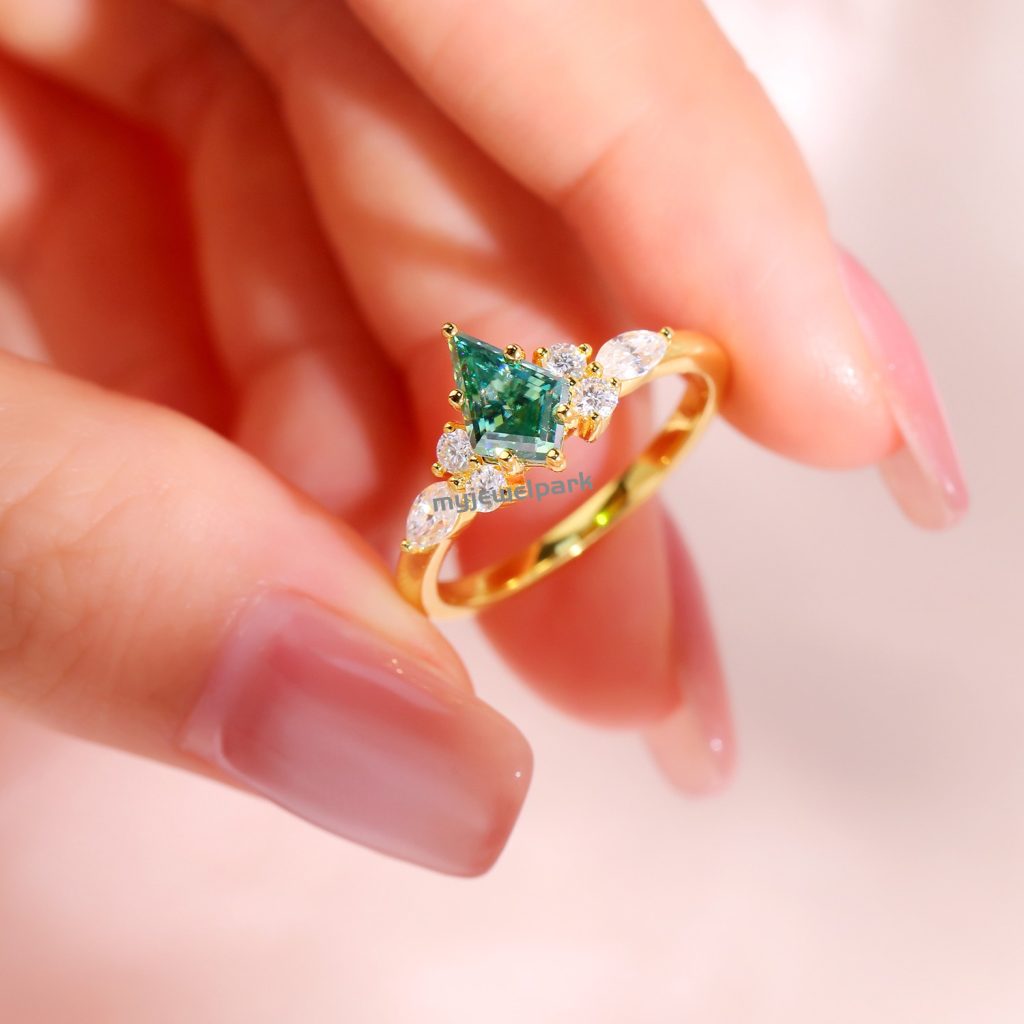
How to Solve the Mystery
Upgrade Your Tester: Use a dual-function device that checks both thermal and electrical conductivity. Brands like Presidium offer reliable options.
Seek a Professional Appraisal: Reputable jewelers use advanced tools like Raman spectrometers. As one gemologist noted in a Jewelry Lounge Forum, “Spectrometers don’t lie—they’re the gold standard.”
Check Certifications: Lab diamonds from trusted sources (e.g., IGI or GIA) include detailed reports. No paperwork? That’s a red flag.
Moissanite vs. Lab Diamonds: A Growing Market
The demand for affordable engagement rings and sustainable gems has blurred lines for buyers. While moissanite boasts a fiery rainbow sparkle, lab diamonds mirror the classic diamond look. Both are conflict-free, but their value differs. As one TikTok influencer put it, “Know what you’re buying—and double-check how you’re testing it!”
About Us
China Luster is one of the largest lab-grown gemstone and gold and silver jewelry manufacturers in Wuzhou. Integrating design, production and sales since 1997, exporting to all over the world. Focusing on hand-cutting and grinding, with more than 27 years of manufacturing experience. We sell high-quality lab-grown gemstones and diamonds. Customized and inlaid by masters with more than 20 years of experience in fine cutting of natural gemstones. They are relatively cheaper than natural ones, and their physical and chemical properties are exactly the same as natural ones, except that natural ones lack a little historical value. All products are discounted during the promotion period 👉
Final Thoughts
If your lab diamond testing as moissanite, don’t despair. Outdated tech, not deception, is likely the issue. Invest in quality verification and always buy from certified sellers. After all, both stones offer beauty with a conscience—ideal for modern, eco-conscious shoppers.
Have you experienced this mix-up? Share your story below! 🔍💍