Flame Fusion vs. Hydrothermal Growth: Which Lab Ruby Method Wins?
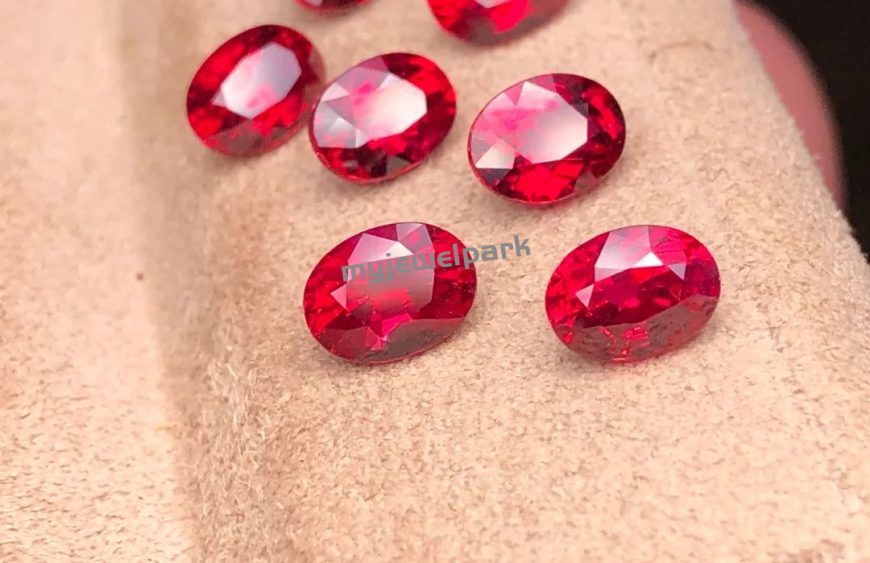
Lab ruby is gaining traction in the world of sustainable jewelry, but with two primary production methods—flame fusion and hydrothermal growth—there’s plenty of debate about which is superior. While both methods create beautiful gemstones, they differ in their production processes, quality, and price points. Let’s explore the differences and see what real-world gem enthusiasts have to say.
Flame Fusion: Fast, Affordable, but Flawed
The flame fusion method, developed in the early 1900s via the Verneuil process, has been the dominant way to create lab ruby. In this process, aluminum oxide powder and chromium are melted in a high-temperature flame, forming molten droplets that crystallize into ruby boules. The process is fast and affordable, producing rubies in just hours. As a result, flame fusion rubies are often 50-80% cheaper than natural stones.
However, the quick process comes with trade-offs. Flame fusion rubies can have tiny gas bubbles or curved growth lines that are visible under magnification. As Reddit user u/SparkleSkeptic put it, “My flame fusion ruby looked great… until I compared it to a hydrothermal one. The difference in clarity was obvious.” While these flaws are not typically visible to the naked eye, they can impact the overall clarity, making them more suitable for fashion jewelry and costume designs, where perfection isn’t the top priority.
Hydrothermal Growth: The Slow, Nature-Inspired Method
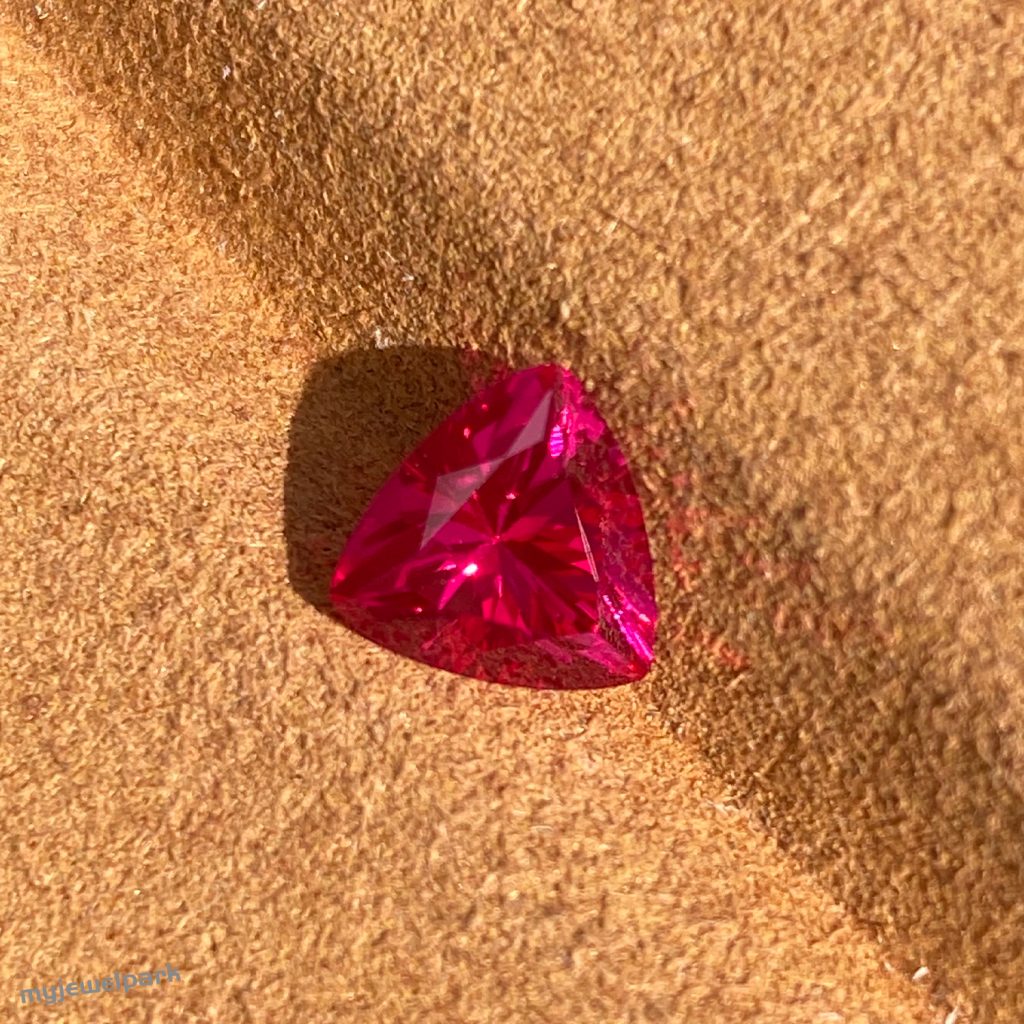
On the other hand, hydrothermal growth replicates the natural conditions under which rubies form deep within the Earth. This process involves heating a nutrient-rich solution under high pressure, allowing crystals to grow slowly over several weeks or even months. The result is a ruby with excellent clarity (often VVS grade), minimal inclusions, and optical properties nearly identical to top-tier mined rubies.
One Quora user, @EthicalGemLover, shared their experience: “I chose hydrothermal for my engagement ring—it’s indistinguishable from my mom’s Burmese ruby!” However, this level of perfection comes at a higher price—hydrothermal rubies can cost 20-40% more than flame fusion rubies due to the slower production time. As such, they’re often favored for heirloom pieces or those looking for investment-grade gems.
Key Comparisons: Durability, Cost, and Aesthetics
Clarity: Hydrothermal rubies generally have fewer inclusions and better clarity than flame fusion rubies, which may have visible growth lines or gas bubbles.
Cost: Flame fusion rubies are much more affordable, with prices ranging from $50 per carat, while hydrothermal rubies typically cost $200 or more per carat.
Eco-Impact: Both methods use fewer resources than traditional mining, but some eco-conscious buyers point out that hydrothermal growth can be energy-intensive. A Reddit thread titled “Lab-grown = guilt-free? Think again…” debated this concern, highlighting that while both methods are sustainable, the energy consumption of hydrothermal growth might not be as environmentally friendly as it seems.

What Real Buyers Are Saying
Forum discussions offer mixed opinions on the two methods. On r/LabGrownGems, a user argued, “Why pay extra for hydrothermal? Flame fusion rubies still dazzle!” Yet, many buyers who lean toward luxury jewelry tend to appreciate the purity and clarity of hydrothermal rubies, as one commenter on Quora described: “Flame fusion is like fast fashion. Hydrothermal is couture.”
Interestingly, some buyers confuse hydrothermal rubies with synthetic stones like cubic zirconia. One frustrated Redditor clarified: “Both flame fusion and hydrothermal create REAL rubies. It’s like baking cakes—different recipes, same ingredients!”
Which Method Should You Choose?
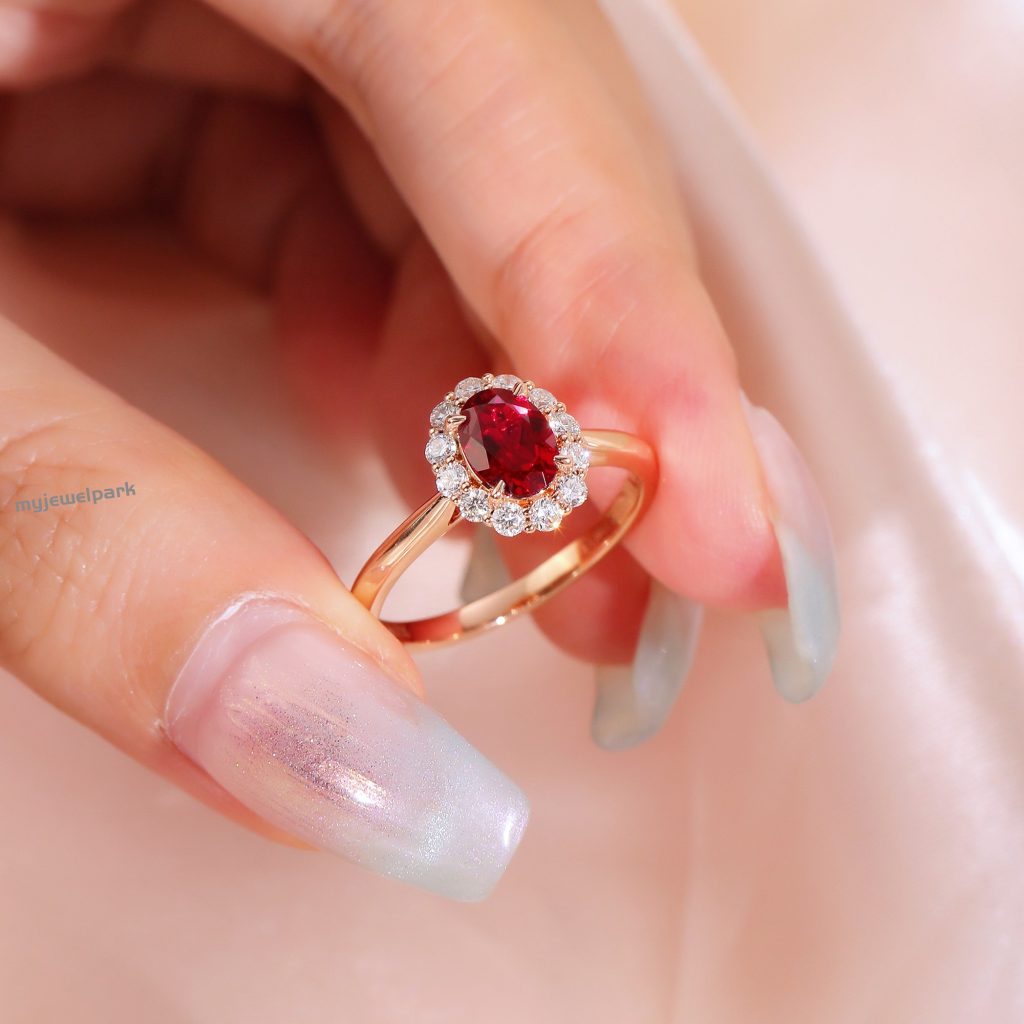
If you’re on the hunt for affordable luxury, or if you’re looking for stackable jewelry where the size of the stone isn’t crucial, flame fusion rubies are a great choice. On the other hand, if you’re after a forever stone, like a solitaire ring or a custom-designed piece, hydrothermal rubies may be more your style.
No Clear Winner
The choice between flame fusion and hydrothermal rubies comes down to personal preferences and priorities. If you’re after everyday glam, flame fusion is an excellent, cost-effective option. If you’re looking for a high-quality, heirloom-worthy gemstone, hydrothermal may be the better fit.
Remember, there’s no one-size-fits-all answer. As the market for lab-grown gems continues to grow, so does transparency. Always ask your jeweler about the method used and check for proper certifications (IGI, GIA) to ensure you’re getting exactly what you’re paying for.