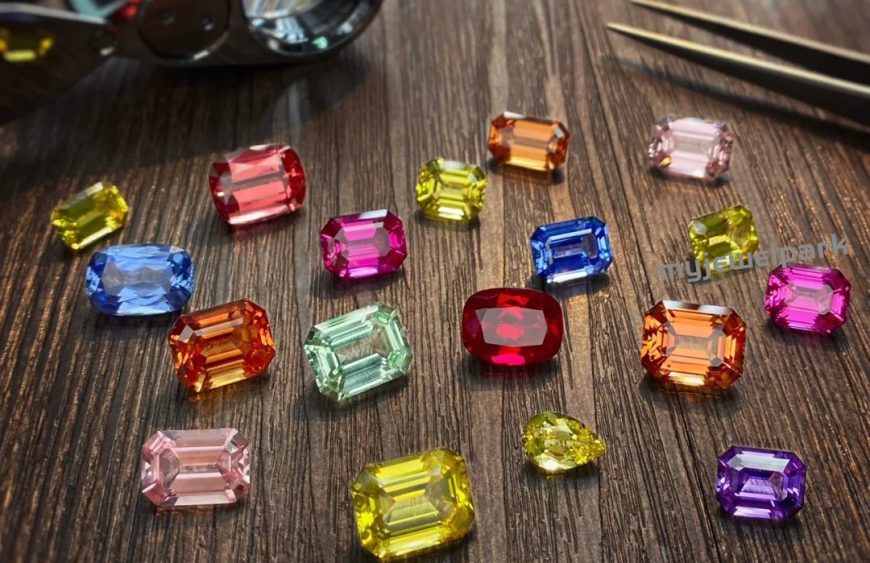
The Science Behind Lab-Grown Rubies: How They Mimic Nature’s Process
What if we told you that the ruby on your finger could be created in a lab—without mining—and still hold the same fire, durability, and allure as one formed over millions of years? Lab-grown rubies are revolutionizing the jewelry industry, offering a sustainable and ethical alternative to mined gems. But how do scientists replicate Mother Nature’s magic? Let’s dive in.
From Earth’s Depths to Lab Benches: Recreating Ruby Formation
Natural rubies are born under extreme heat and pressure deep within the Earth, where aluminum oxide mixes with trace chromium to create their iconic red hue. Lab-grown rubies replicate this process using two primary methods: Flame Fusion (Verneuil process) and Flux Growth.
Flame Fusion:
The oldest and most cost-effective method, this technique melts aluminum oxide powder with chromium additives in a high-temperature flame. As the mixture cools, it crystallizes into a ruby “boule” (a cylindrical gemstone rough).

Flux Growth:
Mimicking natural geological conditions, this slower method dissolves aluminum oxide in a molten flux solution. Over months, ruby crystals form layer by layer, closely mirroring Earth’s timeline—just sped up.
Reddit user @GemEnthusiast2023 recently sparked debate in r/SyntheticGemstones: “I bought a flux-grown ruby, and my jeweler couldn’t tell it wasn’t mined. Mind-blowing how tech can match nature!”
Why Lab-Grown Rubies Are Gaining Traction
Foreign markets, particularly in the U.S. and Europe, are embracing lab-grown gems for their eco-friendly footprint and transparent sourcing. A Quora thread titled “Are lab-created rubies ‘real’?” highlights shifting perceptions. User Maria Lopez responded: “Real isn’t about origin—it’s about composition. Lab rubies ARE real. Plus, no guilt about mining practices.”
Google Trends data shows a 120% surge in searches for “lab-grown ruby engagement rings” since 2022, driven by Gen Z and millennials prioritizing sustainability.
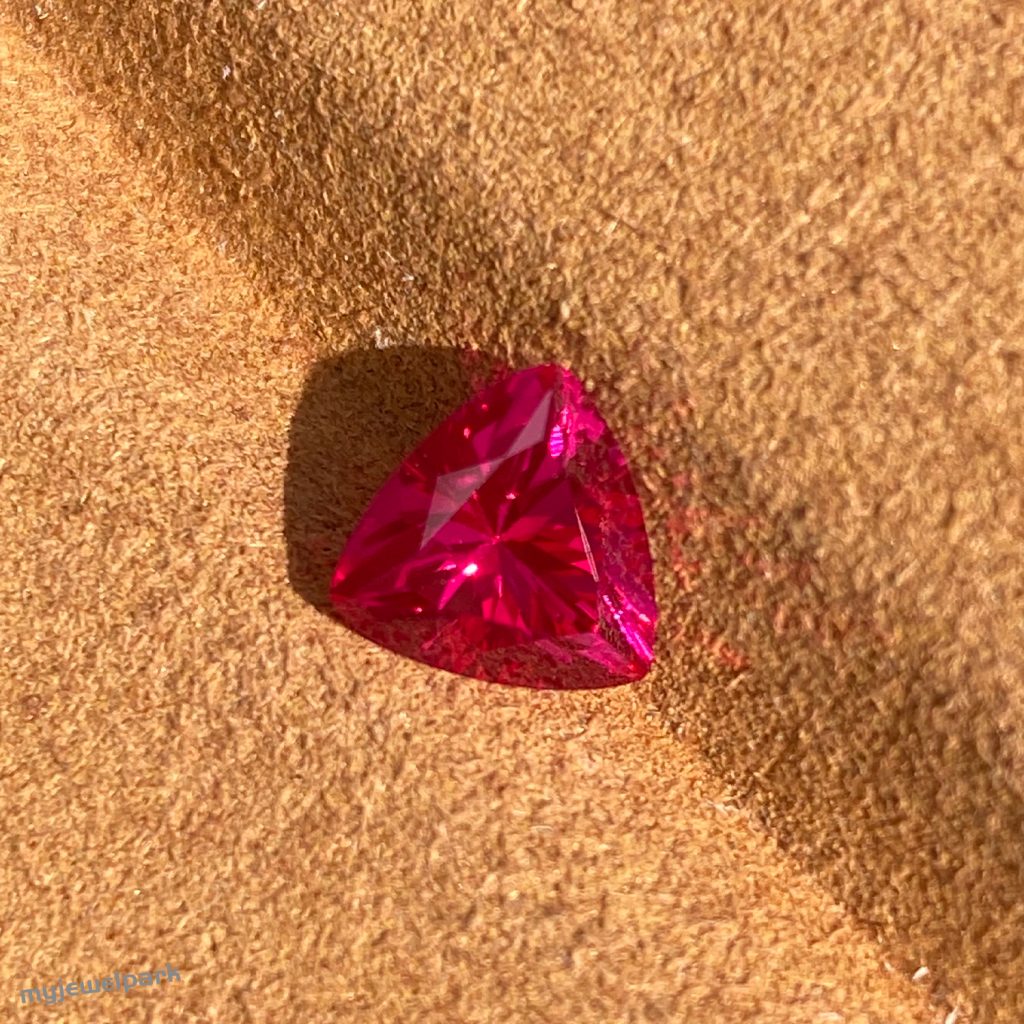
Addressing the “But…” Moments
Critics argue lab gems lack the “romance” of natural stones. Yet, as Redditor @EthicalJewelryFan counters: “Romance shouldn’t mean exploiting miners or ecosystems. My lab ruby symbolizes love and responsibility.”
Lab-grown rubies also ace the Mohs hardness scale (9/10), matching natural ones for durability. Even gemologists need advanced tools to spot differences.
The Future of Rubies Is Here
With identical physical, chemical, and optical properties to mined rubies, lab-grown versions are democratizing luxury. They’re up to 80% cheaper, making bold designs accessible. As one Instagram jewelry designer noted: “Clients adore custom pieces without the ‘cost vs. conscience’ dilemma.”
So, next time you admire a ruby’s crimson glow, remember: science now offers a choice that’s kind to both your wallet and the planet.