Can Lab-Grown Royal Blue Sapphires Match the Quality of Natural Stones?
Lab-grown royal blue sapphires are storming the jewelry scene, but can they truly rival the allure of natural stones? Let’s unravel the debate.
The Science of Sparkle: Crafting Blue Brilliance
Natural royal blue sapphires form over millions of years as aluminum oxide mixes with trace iron and titanium under extreme heat and pressure. Lab-grown versions replicate this using methods like Flame Fusion (melting aluminum oxide into crystals) and the Hydrothermal Process (mimicking Earth’s conditions in a pressurized chamber). The result? Gems with identical chemical makeup (Al₂O₃) and hardness (9/10 on the Mohs scale).
Reddit user @GemGeek42 shared in r/SyntheticGemstones: “My lab sapphire engagement ring? Even my gemologist aunt couldn’t clock it without a microscope. The color is chef’s kiss.”
Quality Face-Off: Color, Clarity, and Durability
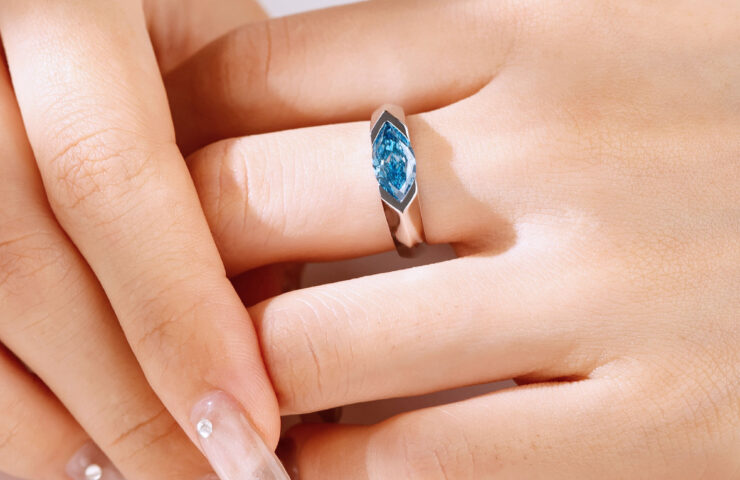
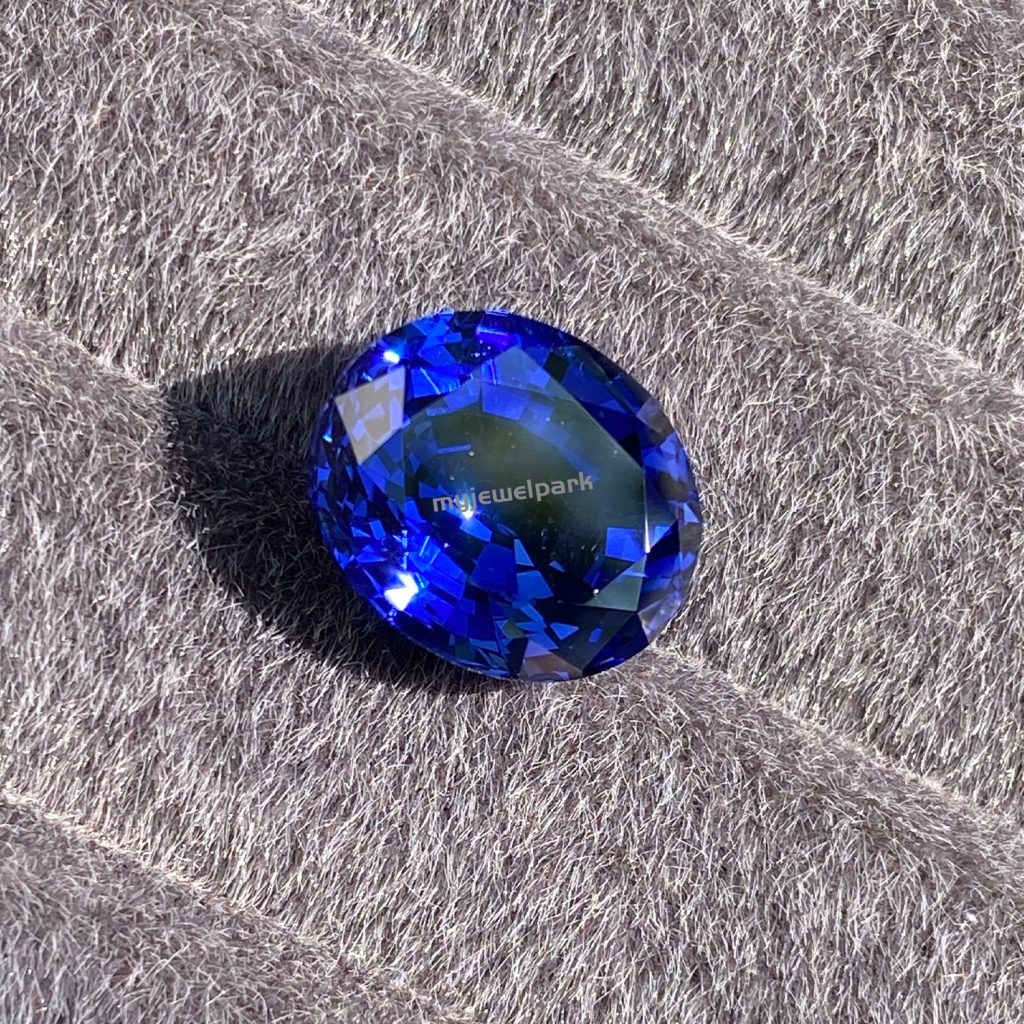
Lab-grown sapphire producers have mastered the royal blue hue by fine-tuning trace elements. While natural stones often show uneven color zones, lab versions boast consistency. Clarity-wise, labs avoid the inclusions common in mined gems, offering “eye-clean” stones at lower prices.
But what about authenticity? A Quora thread titled “Do lab sapphires lack soul?” sparked fiery replies. User James Carter argued: “Soul is in the story you attach. My lab sapphire symbolizes innovation, not exploitation.”
The Ethics of Elegance: Why Buyers Are Switching
Searches for “lab-grown sapphire jewelry” jumped 90% in 2023 (Google Trends), driven by eco-conscious millennials. Lab gems skip the ethical pitfalls of mining—think fair wages and reduced ecosystem damage. They’re also 50-70% cheaper, democratizing luxury.
Instagram designer @LuxeByLena noted: “Clients love custom pieces without the ‘blood diamond’ guilt. Plus, the color is always perfect.”
Nostalgia vs. Progress
Critics cling to natural stones for their rarity and geological romance. Yet, as Redditor @EcoChicJewels fired back: “Romance shouldn’t mean child labor or rivers poisoned by mines. Lab gems are the future—period.”
The Verdict
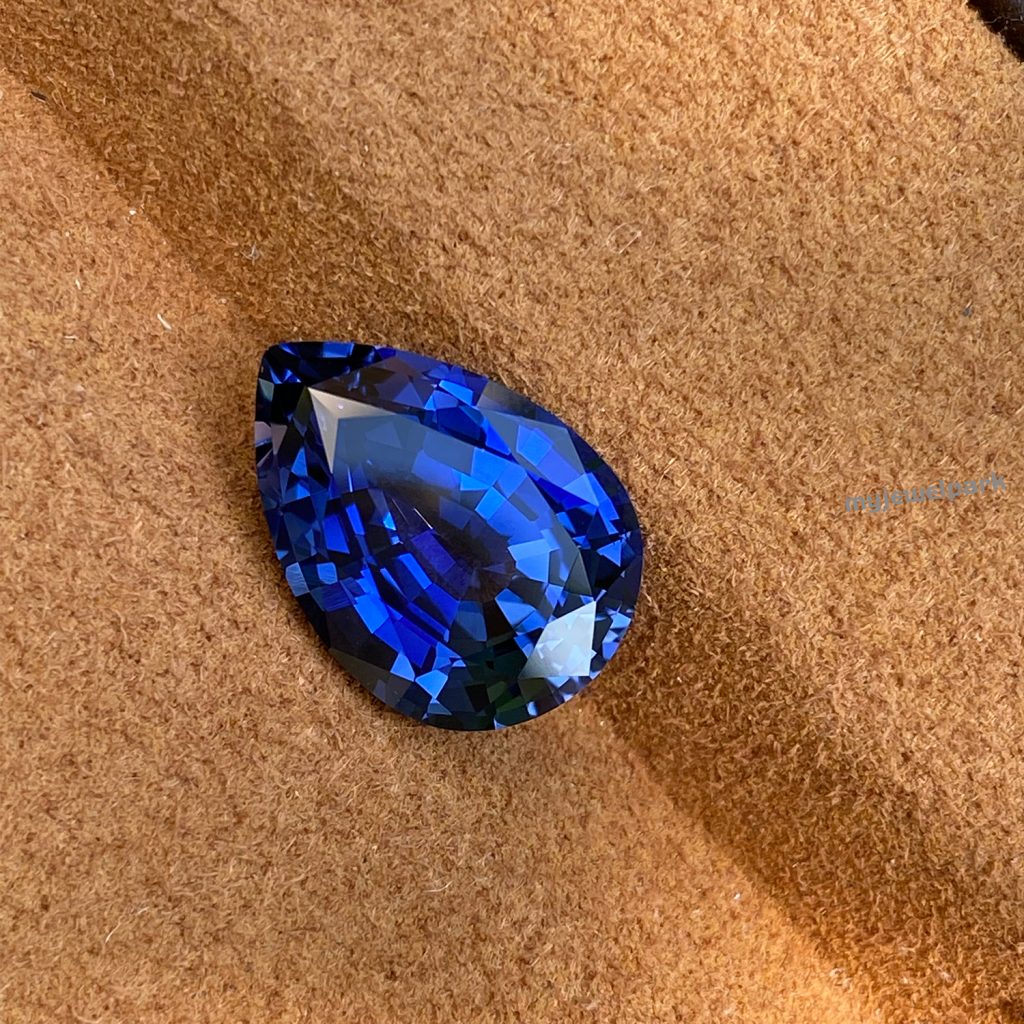
Lab-grown royal blue sapphires match natural ones in brilliance, durability, and chemistry. While collectors may still prize Earth-mined rarity, labs offer a guilt-free, wallet-friendly alternative. As tech advances, the line between “natural” and “lab” blurs further.
Join the conversation: Would you rock a lab-grown sapphire? Drop your thoughts below!