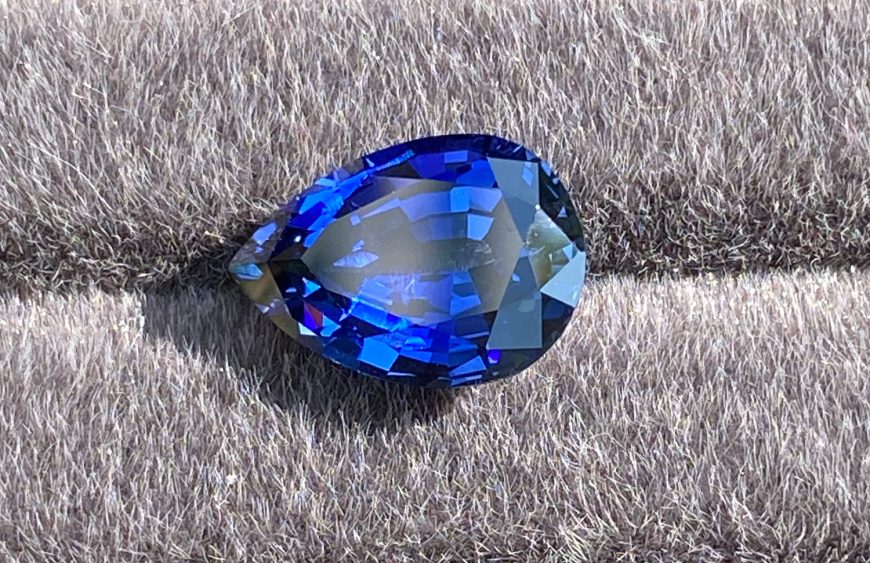
Why Are Jewelers Still Reluctant to Sell Lab-Grown Royal Blue Sapphire?
Despite booming demand for sustainable gems, many jewelers still shy away from lab-grown sapphires. Why? Let’s uncover the tensions between tradition and innovation.
Tradition vs. Tech: The Clash of Perceptions
For centuries, sapphires have symbolized rarity and legacy, formed over millennia in Earth’s crust. Lab-grown versions, identical in chemical composition (Al₂O₃) and durability (9/10 on the Mohs scale), challenge this narrative. Yet, as Reddit user @VintageGemTrader argued in r/jewelry: “Natural stones have history. Labs feel… disposable.”
Many jewelers worry lab-grown gems undermine the “heirloom” mystique. A Quora thread titled “Do lab sapphires hold value?” reveals fears of market saturation. User Clara M. wrote: “My jeweler refused to stock them, claiming they’d ‘cheapen the brand.’”
Breaking Stereotypes: The Inclusion Revolution
One major bias? The myth that lab-grown sapphires are “too perfect.” Ironically, advanced cultivation tech now replicates natural inclusions—tiny imperfections like silk or mineral traces—using controlled flux or hydrothermal methods. These “flaws” make lab stones visually indistinguishable from mined ones.
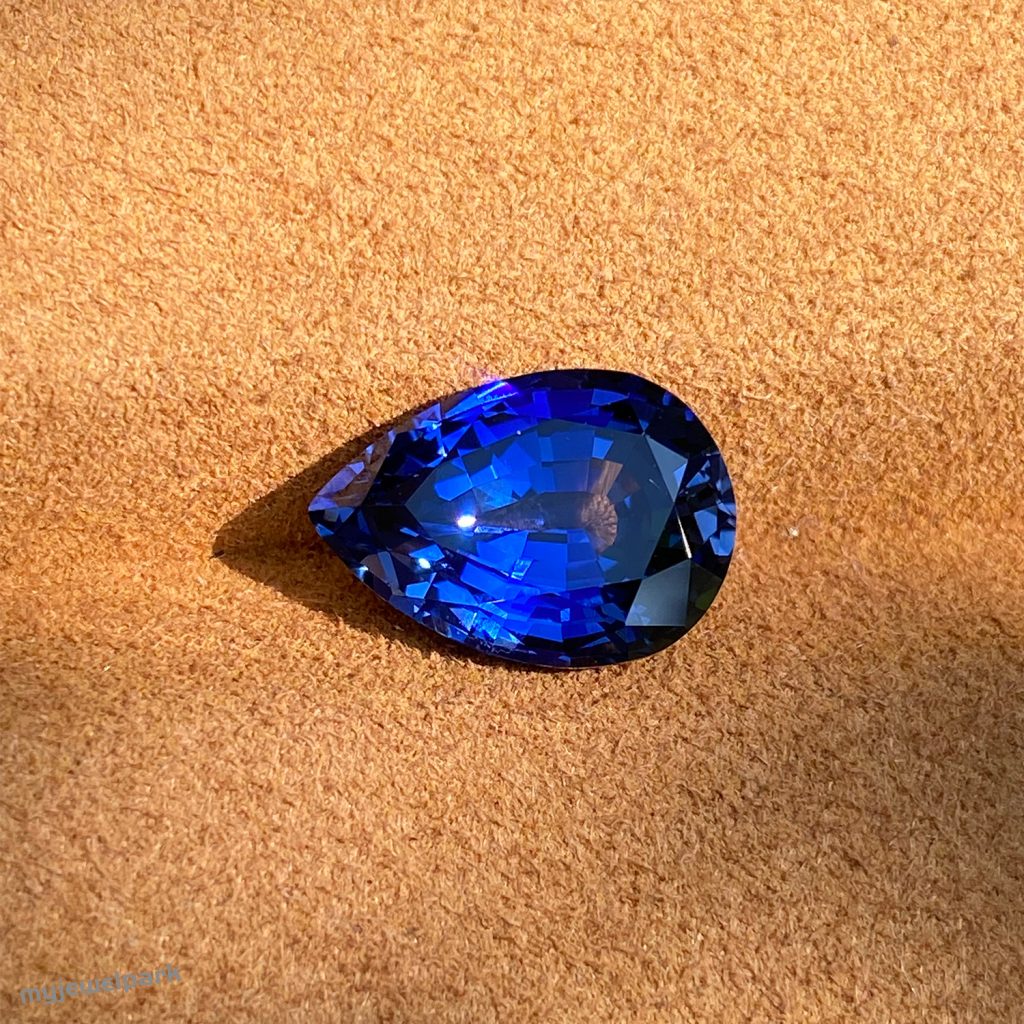
Instagram jeweler @ModernEarthGems shared: “A client returned her ‘natural’ sapphire after ours had identical inclusions. She couldn’t tell—and kept the lab one!”
The Profit Problem: Inventory and Margins
Lab-grown sapphires cost 50-70% less than naturals, squeezing profit margins for retailers invested in mined gems. As one anonymous jeweler confessed on industry forum Pricescope: “If I push labs, my $10K natural inventory becomes harder to justify.”
Others fear customer backlash. Despite Gen Z’s love for ethical bling, older buyers often equate price with prestige.
The Tide Is Turning… Slowly
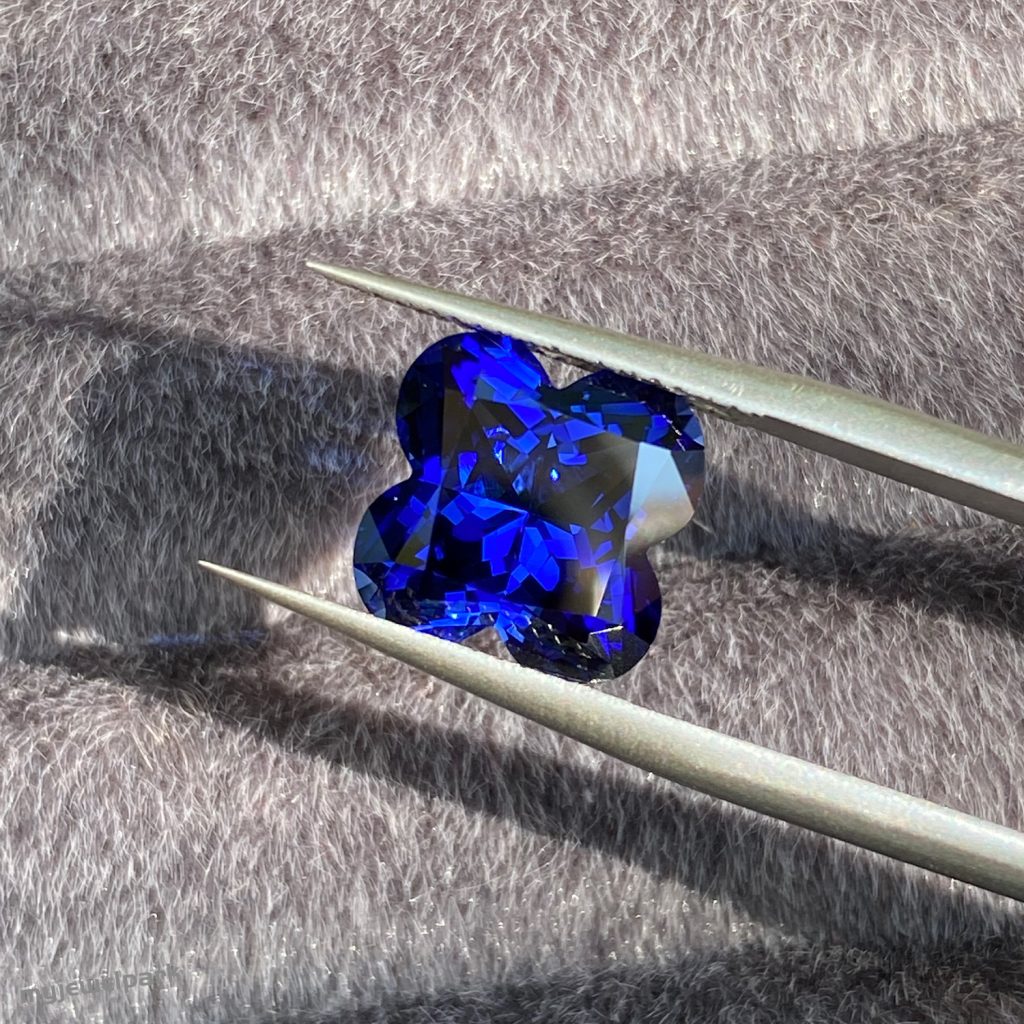
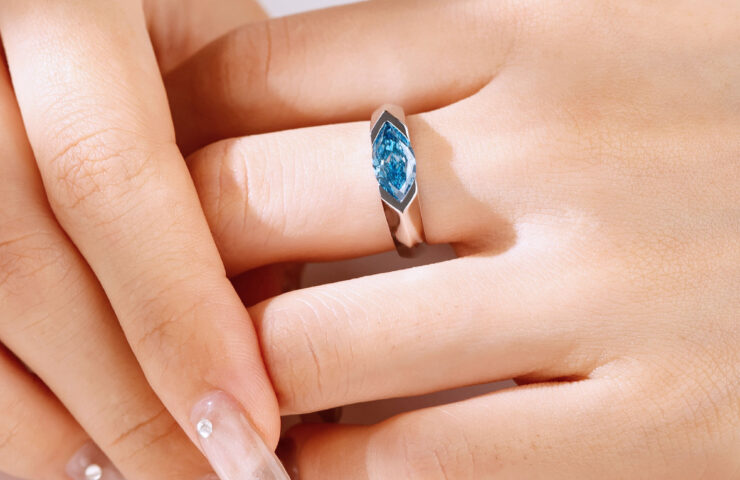
Google Trends shows a 140% rise in searches for “lab-grown sapphire engagement rings” since 2021. Brands like Brilliant Earth and Clean Origin now dominate online markets, pressuring traditional jewelers to adapt.
Redditor @EcoLuxe2023 summed it up: “Jewelers clinging to naturals are like record stores dissing streaming. Adapt or lose a generation.”
Fear Meets Opportunity
Jeweler reluctance stems from tradition, profit models, and underestimating consumer shifts. Yet, as lab-grown tech blurs physical lines—and buyers prioritize sustainability over sentiment—the tide is turning.
About Us
China Luster is one of the largest lab-grown gemstone and gold and silver jewelry manufacturers in Wuzhou. Integrating design, production and sales since 1997, exporting to all over the world. Focusing on hand-cutting and grinding, with more than 27 years of manufacturing experience. We sell high-quality lab-grown gemstones and diamonds. Customized and inlaid by masters with more than 20 years of experience in fine cutting of natural gemstones. They are relatively cheaper than natural ones, and their physical and chemical properties are exactly the same as natural ones, except that natural ones lack a little historical value. All products are discounted during the promotion period 👉