Lab-Grown vs. Natural Alexandrite: Which Offers Better Color Change?
Alexandrite’s legendary color change has mesmerized gem lovers for centuries. But today, lab-grown versions are challenging nature’s monopoly on this rare phenomenon. Can synthetic alexandrite outshine its natural counterpart—or does Mother Nature still hold the crown?
The Magic of Color Change: Science Behind the Shift
Natural alexandrite’s chameleon-like ability stems from trace chromium and its unique crystal structure, which absorbs specific light wavelengths. Lab-grown alexandrite replicates this using methods like the Czochralski process (pulling crystals from molten material) or flux growth (mimicking geological conditions). Both produce gems with identical chemistry (BeAl₂O₄) and the same jaw-dropping color change.
Reddit user @GemSorcerer sparked debate on r/SyntheticGemstones: “My lab alexandrite shifts more vividly than my grandma’s natural one. Fight me, purists!”
Color Face-Off: Intensity vs. Subtlety

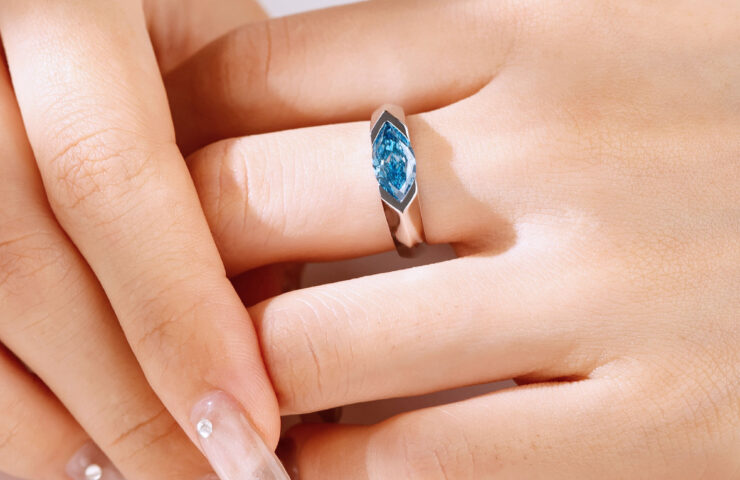
Natural alexandrite’s color change is often subtler, ranging from bluish-green to purplish-red, influenced by impurities like iron. Lab-grown versions, however, can be fine-tuned for bolder transitions—think neon green to fiery red—thanks to controlled chromium levels. But does “more dramatic” mean “better”?
A Quora thread titled “Is lab alexandrite too perfect?” split opinions. User Liam Harper argued: “Natural alexandrite’s soft shifts feel romantic. Labs are like HD vs. vintage film—both stunning, just different.”
Breaking Stereotypes: Inclusions Enter the Lab
One knock against lab-grown gems? Critics call them “flawless” and “soulless.” Not anymore. Advanced growers now introduce inclusions like silk or mineral traces during cultivation, mirroring nature’s quirks.
Instagram jeweler @AlchemyGemCo shared: “A client swore her lab alexandrite was natural because it had ‘imperfections.’ I didn’t have the heart to correct her!”
The Price Paradox: Rarity vs. Accessibility
Natural alexandrite is rarer than diamonds, with top stones costing $15,000+ per carat. Lab-grown versions? Just 5-10% of that price. Yet, some jewelers resist selling synthetics, fearing they’ll “devalue” natural stocks.
On Pricescope forums, user @OldSchoolGems griped: “Labs are for cheapskates. Real alexandrite is about heritage, not Instagram trends.” Meanwhile, Gen Z buyers are Googling “lab alexandrite engagement rings” 200% more in 2024, per Google Trends.

Ethics and the Earth Angle
Lab-grown alexandrite skips mining’s environmental toll—a huge sell for eco-buyers. As Redditor @GreenGlamQueen put it: “Why dig up a mountain when science can grow the same gem without child labor?”
The future is promising
Lab-Grown vs. Natural Alexandrite, Lab-Grown Alexandrite rivals and often exceeds natural gemstones in terms of color intensity and clarity. But natural gemstones still retain their cachet with collectors who crave the “Made in the Earth” mystique. With labs now able to replicate even inclusions, the gap is closing every day.