How to Choose a Lab-Grown Emerald: 7 Factors Buyers Often Overlook
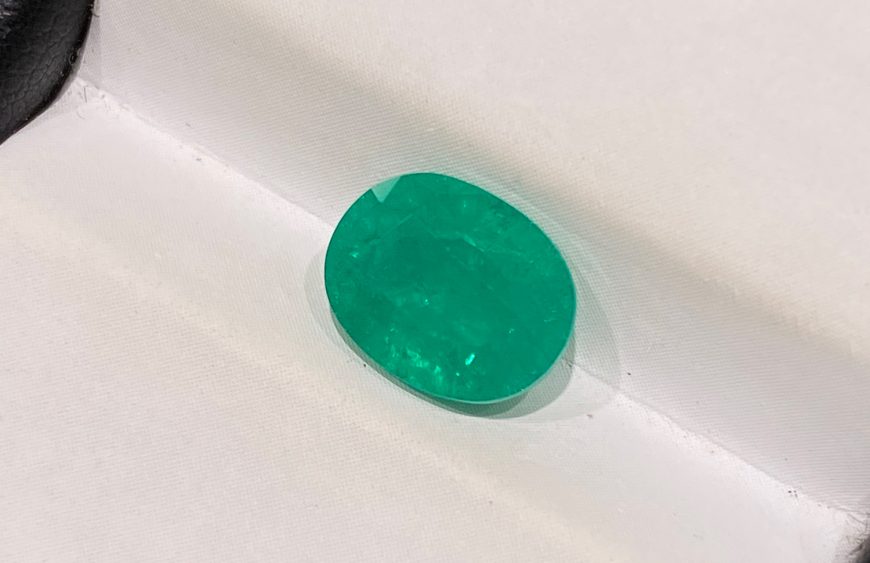
Lab-grown emeralds now rival their natural counterparts in both appearance and value. However, while many buyers are attracted to the affordability and ethics behind these gems, there are important factors that often go overlooked. Here’s a quick guide to help you choose the perfect cultured emerald while ensuring you get the best quality.
1. Understanding the Growing Method: Hydrothermal vs. Flux Growth
The two most common methods for growing emeralds in the lab are hydrothermal and flux growth. Both processes mimic the conditions under which natural emeralds form, but they result in subtle differences.
Hydrothermal growth uses high pressure and heat to crystallize emeralds in a nutrient-rich solution. The result is a gem with naturally occurring inclusions and a clear, vivid green color.
On the other hand, flux growth uses molten material to transfer the elements necessary for the crystals to form. The result is a gem with fewer inclusions but generally a more intense, vibrant hue.
Each method has its advantages, and knowing which method your emerald was grown with can help you make an informed decision. As Reddit user u/ColombianGemFan puts it, “I love the way hydrothermal emeralds mimic natural emeralds with their unique inclusions—it gives them character.”
2. Color Variations: What You Need to Know
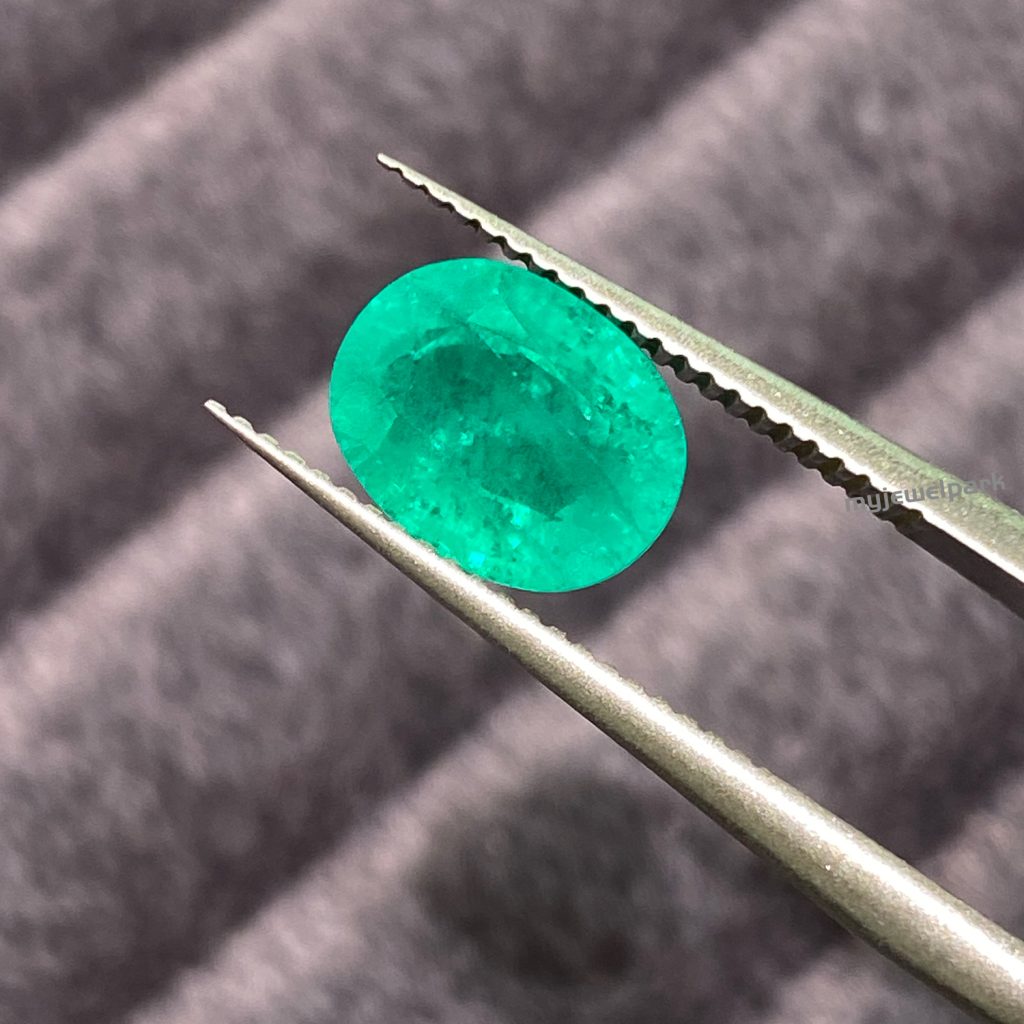
Emeralds are most prized for their rich, green color, and lab-grown emeralds are no exception. However, not all emeralds are created equal when it comes to color. Lab-grown emeralds can be found in various shades, from bluish-green to yellowish-green.
When choosing your emerald, it’s essential to evaluate the color carefully. The most sought-after emeralds have a deep, vibrant green with no noticeable color zoning. Keep in mind that while color can be hard to differentiate between lab-grown and natural emeralds, some buyers prefer the more saturated colors of lab-grown varieties.
3. Inclusions: The Key to Identifying Natural vs. Lab-Grown
Unlike synthetic emeralds made from glass or resin, lab-grown emeralds retain natural-looking inclusions, which are often the result of the growing process. These inclusions can be tiny gas bubbles or other microscopic imperfections, and they are one of the key identifiers of a high-quality lab-grown emerald.
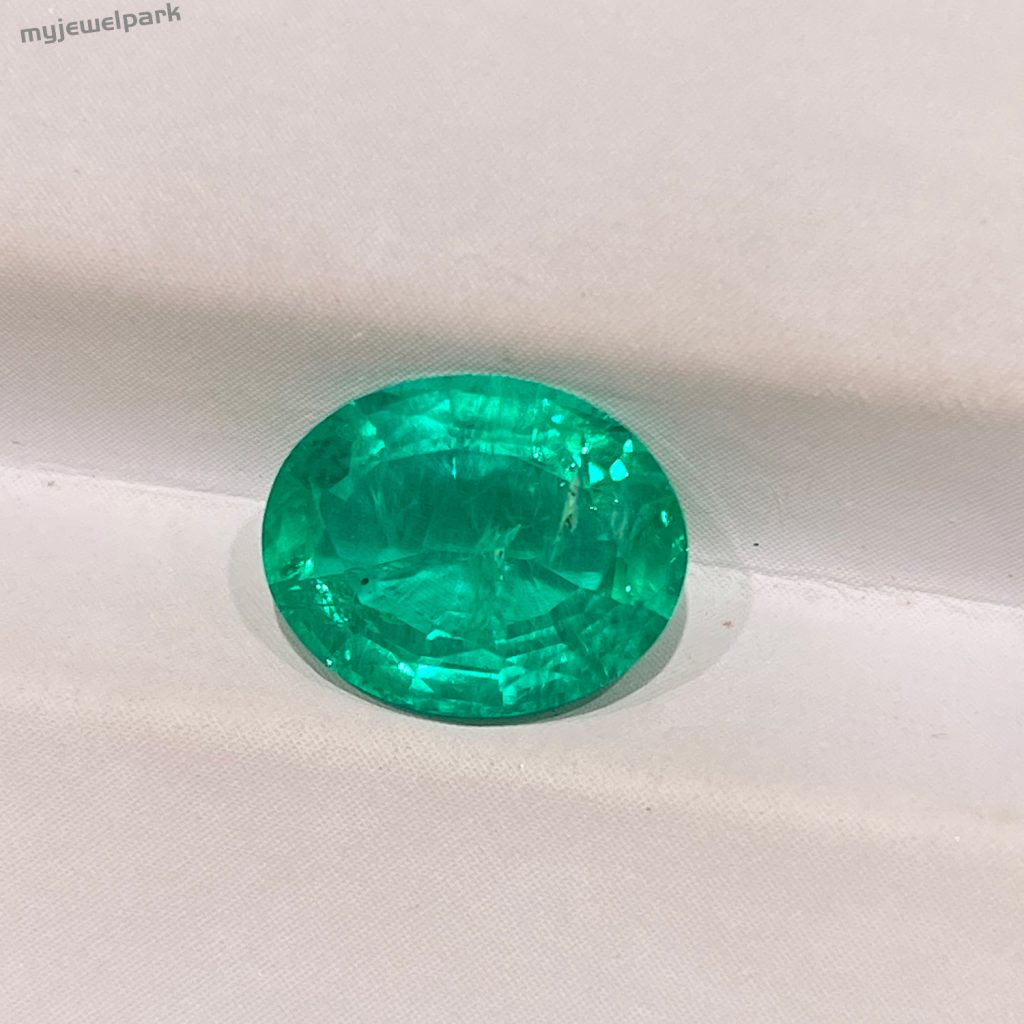
Some lab-grown emeralds may even exhibit inclusions that are similar to those found in natural emeralds, thanks to advances in technology. As Quora user @GemologicalGuru explains: “The latest techniques allow lab-grown emeralds to have inclusions that mimic those found in naturally formed stones, making them almost indistinguishable.”
4. Clarity: Lab-Grown Doesn’t Mean Flawless
Although lab-grown emeralds can achieve impressive clarity, they are not always flawless. Inclusions are common in all emeralds, whether natural or lab-grown. However, it’s important to look for clarity grades that suit your taste and budget. While natural emeralds can sometimes have significant inclusions that affect their appearance, lab-grown emeralds often have fewer and more manageable imperfections, which can contribute to better clarity.
5. Cut and Shape: Look for Precision
The cut of the emerald plays a major role in its overall beauty and brilliance. Lab-grown emeralds can be cut into a variety of shapes, just like natural emeralds, including the classic emerald cut, round, and oval. When shopping for a lab-grown emerald, make sure the stone has been cut well to showcase its color and clarity. The precision of the cut can also make a big difference in the overall value of the gem.
As one Reddit user shared in a jewelry discussion: “I went for a well-cut lab emerald because it really brought out the color. It’s sharp and perfect for my engagement ring!”
6. Price vs. Quality: Finding the Right
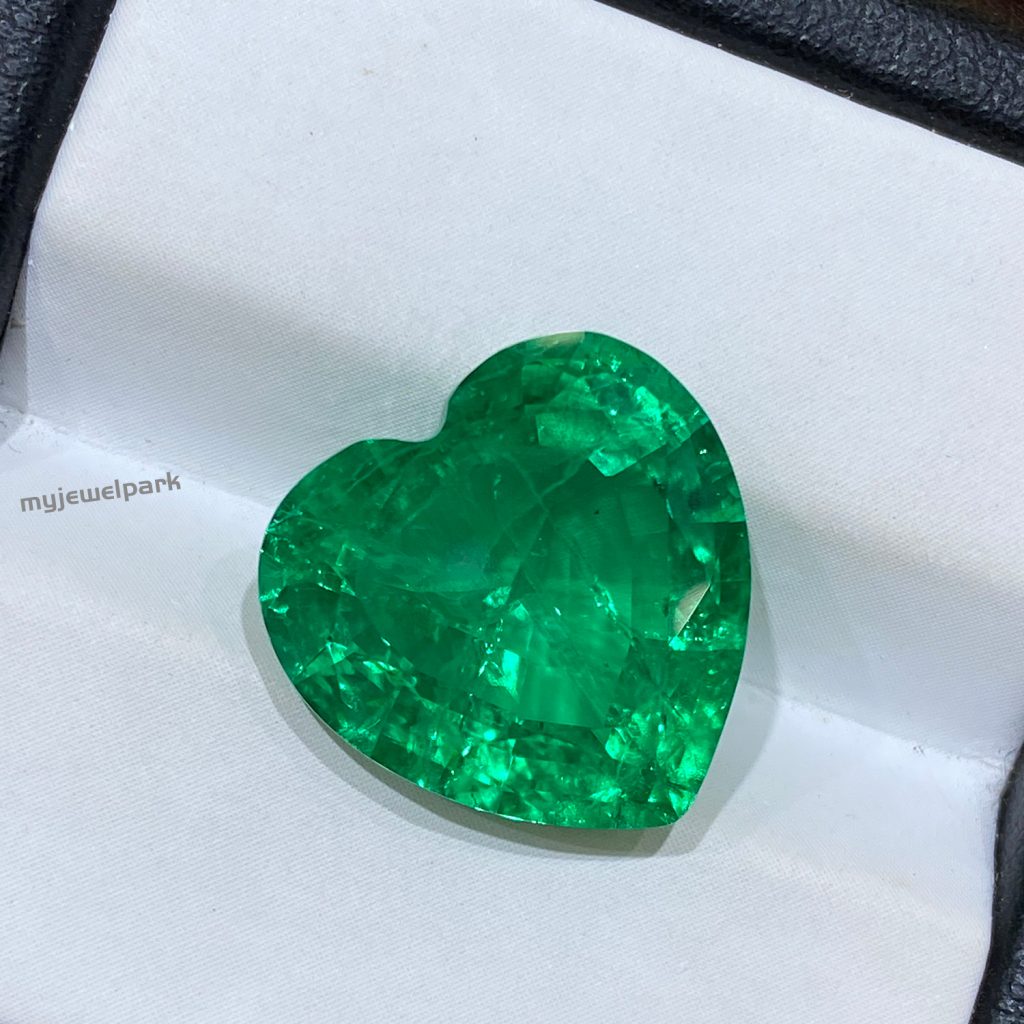
BalanceWhile lab-grown emeralds are generally more affordable than their natural counterparts, price can vary based on size, color, and clarity. The general rule is that the larger and clearer the stone, the higher the price—whether it’s grown in a lab or naturally mined. Still, lab-grown emeralds often offer more competitive prices for similar quality stones, making them an excellent choice for those on a budget.
7. Certification and Transparency
When purchasing any gemstone, especially a lab-grown one, it’s important to ensure that it comes with proper certification. Trusted labs such as GIA (Gemological Institute of America) or IGI (International Gemological Institute) provide certifications that authenticate the gem’s quality, growth method, and origin. This is important to verify that you’re getting a genuine lab-grown emerald and not a lower-quality simulant or synthetic gemstone.
One user on Quora warns: “It’s crucial to get a certificate when buying a lab-grown emerald. Without it, you could be buying something less valuable than you expect.”
Thoughts
Choosing a lab-grown emerald requires careful consideration, as several factors can affect both the appearance and value of the stone. While the green color, natural-looking inclusions, and growing method are often the main selling points, buyers should not overlook the clarity, cut, price, and proper certification.
As Reddit user u/EmeraldCollector concludes: “A lab-grown emerald can look just as stunning as a natural one, but knowing how to choose the right one can make all the difference.”