Flux vs. Hydrothermal: Which Lab-Grown Emerald Method Wins?
Emeralds have enchanted humanity for millennia, but mining these gems often comes with ethical and environmental baggage. Enter lab-grown emeralds: sustainable, affordable, and chemically identical to their natural counterparts. But not all lab methods are equal. The two giants—Flux Growth and Hydrothermal Synthesis—go head-to-head in creating the perfect green gem. Which one reigns supreme?
Flux Growth: Slow and Steady Wins the Race
Developed in the mid-20th century, the flux method dissolves emerald ingredients (beryllium, aluminum, and chromium) in a molten flux solution—think of it as a high-temperature “soup.” Over weeks or months, crystals form slowly, mimicking Earth’s leisurely pace. The result? Emeralds with natural-looking inclusions, like jardin (French for “garden”), the veils and fractures that give natural emeralds their character.
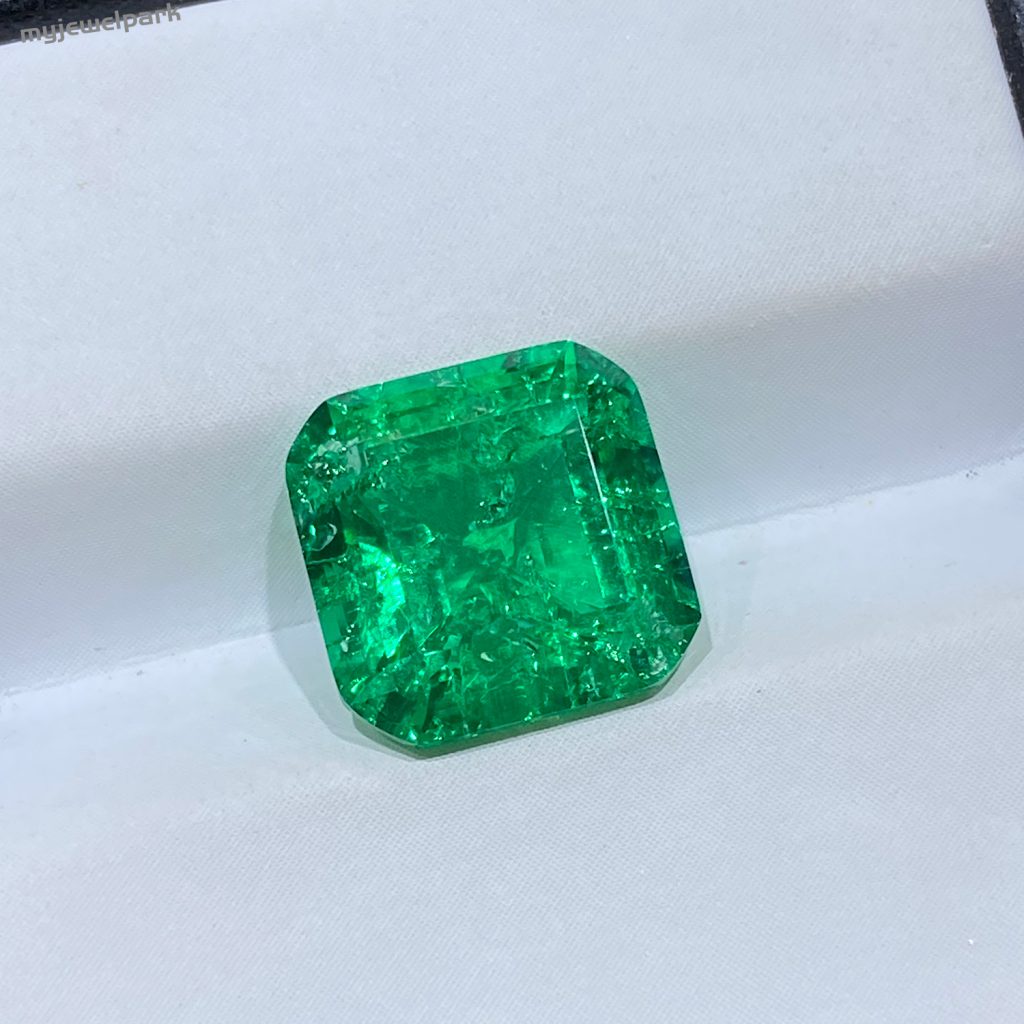
Redditor @GemCult shared in r/SyntheticGemstones: “My flux-grown emerald had inclusions so authentic, my jeweler asked if it was mined in Colombia. Mind. Blown.”
Hydrothermal Synthesis: Nature’s Blueprint, Turbocharged
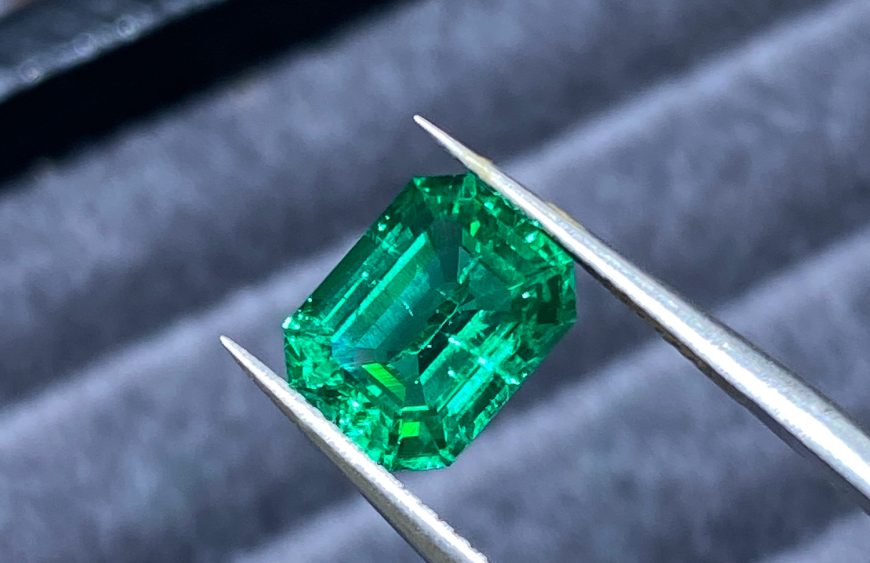
Hydrothermal tech replicates the high-pressure, high-temperature conditions of Earth’s crust. A sealed chamber (“autoclave”) dissolves emerald nutrients in water, allowing crystals to grow on seed plates. This method, faster than flux (think weeks vs. months), produces gems with exceptional clarity and vibrant color. But here’s the kicker: modern hydrothermal labs now add controlled inclusions, like trapped gas bubbles or mineral traces, to mirror nature’s quirks.
Quora user @EcoGemFan argued: “Hydrothermal emeralds are the future. They’re cleaner than flux ones but still look ‘real’—no one can tell the difference.”
Face-Off: Clarity vs. Authenticity
Flux pros: Unbeatable at replicating natural imperfections. Cheaper to produce. Ideal for vintage-inspired designs.
Hydrothermal pros: Higher clarity, richer color saturation. Faster growth = lower costs over time.
But the line is blurring. Labs using both methods now engineer “cream bodies”—subtle haziness seen in natural emeralds—to crush the “too perfect” stereotype. Instagram jeweler @GreenAlchemy posted: “Clients freak out when I reveal their ‘flawed’ emerald was born in a lab. It’s all about the details.”

The Ethics Angle: Why Buyers Don’t Care (Anymore)
Searches for “lab-grown emerald engagement rings” spiked 150% in 2023 (Google Trends). Why? Millennials and Gen Z prioritize sustainability over mining’s murky ethics. Lab gems avoid deforestation, water pollution, and labor abuses tied to mining. As Redditor @EarthFirstJewels quipped: “Why dig up a mountain when science can grow the same gem without the bloodshed?”
The Verdict? It’s a Tie… For Now
Flux-grown emeralds win for collectors craving “natural” imperfections. Hydrothermal takes the crown for jewelers wanting eye-clean brilliance. But as tech advances, both methods are closing gaps.