Moissanite vs. Cubic Zirconia: Don’t Make This Costly Mistake!
If you’re looking for a diamond alternative, chances are you’ve come across moissanite and cubic zirconia (CZ). At first glance, they may seem similar—both are brilliant, affordable, and lab-created gemstones. However, choosing the wrong one could be a costly mistake, especially if you want a durable, high-quality stone that stands the test of time.
So, how do moissanite vs. cubic zirconia really compare?
1. Brilliance & Fire: Which One Sparkles More?
Both moissanite and cubic zirconia are known for their sparkle, but moissanite takes it to another level.
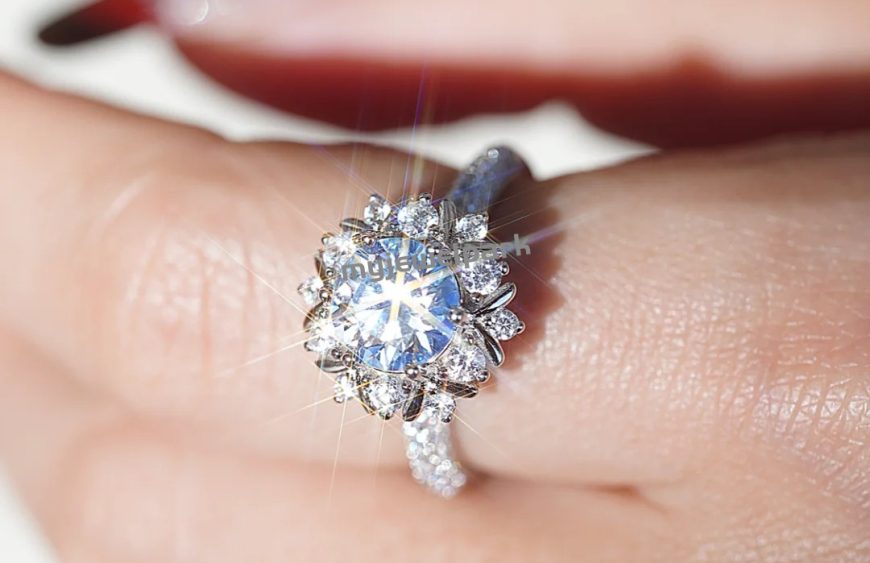
Moissanite’s brilliance (refractive index: 2.65-2.69) is even higher than a diamond’s, giving it unmatched sparkle. It also has strong fire—which means you’ll see rainbow flashes of light under different lighting conditions.
Cubic zirconia (refractive index: 2.15-2.18) is bright but lacks the depth and complexity of moissanite’s sparkle. Over time, it can look more like glass than a gemstone.
Winner: Moissanite—its fire and brilliance last a lifetime, while CZ can lose its sparkle over time.
2. Durability: Will It Scratch or Wear Out?
Hardness is one of the biggest factors in how long a gemstone will last.
Moissanite (Mohs hardness: 9.25) is extremely durable, second only to diamonds (10 on the scale). It resists scratches, making it perfect for everyday wear—especially in engagement rings.
Cubic zirconia (Mohs hardness: 8-8.5) is much softer. Over time, it develops scratches, chips, and dull spots, losing its original beauty.
Winner: Moissanite—it stays brilliant and scratch-free for a lifetime, while CZ wears down much faster.
3. Price & Value: Is the Cheaper Option Really Worth It?
Cubic zirconia is the cheapest option, often costing just a few dollars per carat. However, because it scratches and dulls quickly, it needs to be replaced often—making it a poor investment.
Moissanite costs more than CZ but is still far cheaper than a diamond—typically 80-90% less than a natural diamond of the same size. Since it lasts forever, you only buy it once.
Winner: Moissanite—higher upfront cost, but a lifetime of value.
4. Resale & Perception: Which One Holds More Prestige?
Moissanite is recognized as a premium diamond alternative, often used in fine jewelry and engagement rings. Many buyers choose moissanite over diamonds due to its ethical and eco-friendly sourcing.
Cubic zirconia is widely seen as a “cheap” fake diamond. It’s commonly used in costume jewelry, and its value drops significantly after purchase.
Winner: Moissanite—it holds prestige and long-term value, while CZ is often associated with disposable jewelry.
5. Ethical & Environmental Considerations
As consumers become more conscious of ethical jewelry, moissanite is gaining popularity as a sustainable, lab-grown gemstone. Unlike mined diamonds, moissanite is created without environmental destruction or human rights concerns.
According to a 2023 study by MVEye, over 70% of millennial and Gen Z buyers prefer lab-grown gemstones due to their ethical appeal. This shift is helping moissanite gain popularity as a socially responsible alternative.
Winner: Moissanite—better for the planet and conflict-free.
Which One Should You Choose?
If you’re looking for a temporary, ultra-budget-friendly stone, cubic zirconia might be an option. However, if you want a gemstone that is brilliant, durable, and worth your investment, moissanite is the clear winner.