Can Lab-Grown Emeralds Get Scratched or Fade Over Time?
Lab-grown emeralds have been making waves in the jewelry industry, offering an ethical and cost-effective alternative to their mined counterparts. But one question often lingers in buyers’ minds: Do lab-created emeralds scratch easily or lose their color over time?
With today’s advanced gemstone technology, synthetic emeralds are nearly identical to natural ones, both in chemical composition and durability. Let’s dive into the facts about their hardness, longevity, and why they’re becoming a must-have in the world of fine jewelry.
Durability: Can Lab-Grown Emeralds Get Scratched?
Like natural emeralds, lab-grown emeralds rank 7.5 to 8 on the Mohs hardness scale, making them relatively scratch-resistant but still softer than diamonds (10) or sapphires (9). While they can withstand daily wear, they are not invincible—improper handling or rough impact can cause surface abrasions or even chipping.
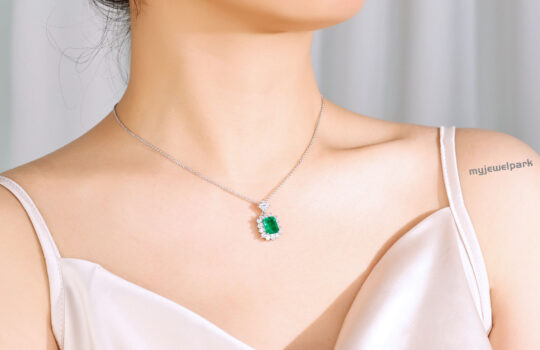
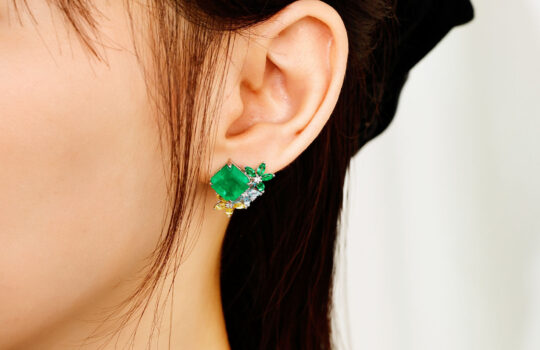
To keep your emerald jewelry in pristine condition, it’s best to store it separately from harder gemstones and avoid wearing it during high-impact activities. Whether natural or lab-created, emeralds are best suited for earrings, pendants, and rings with protective settings.
Will a Lab-Grown Emerald Lose Its Color Over Time?
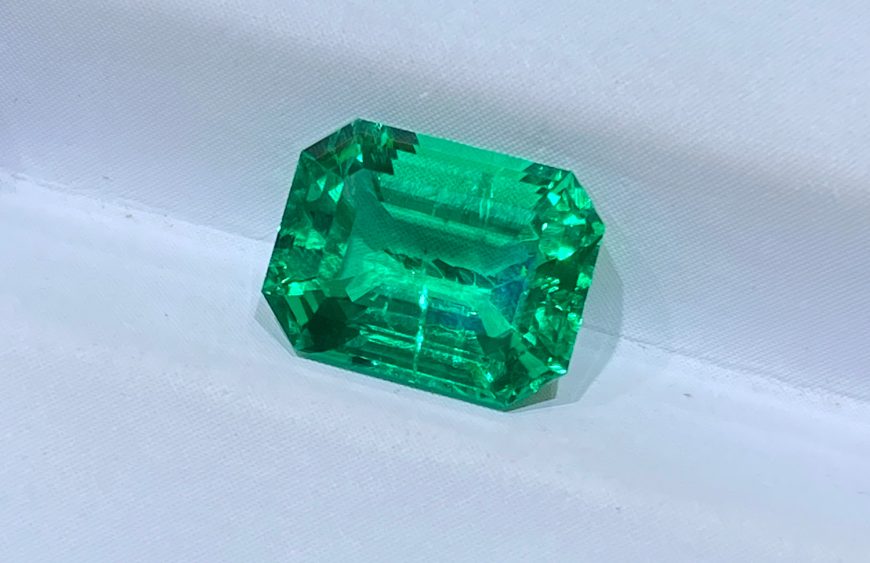
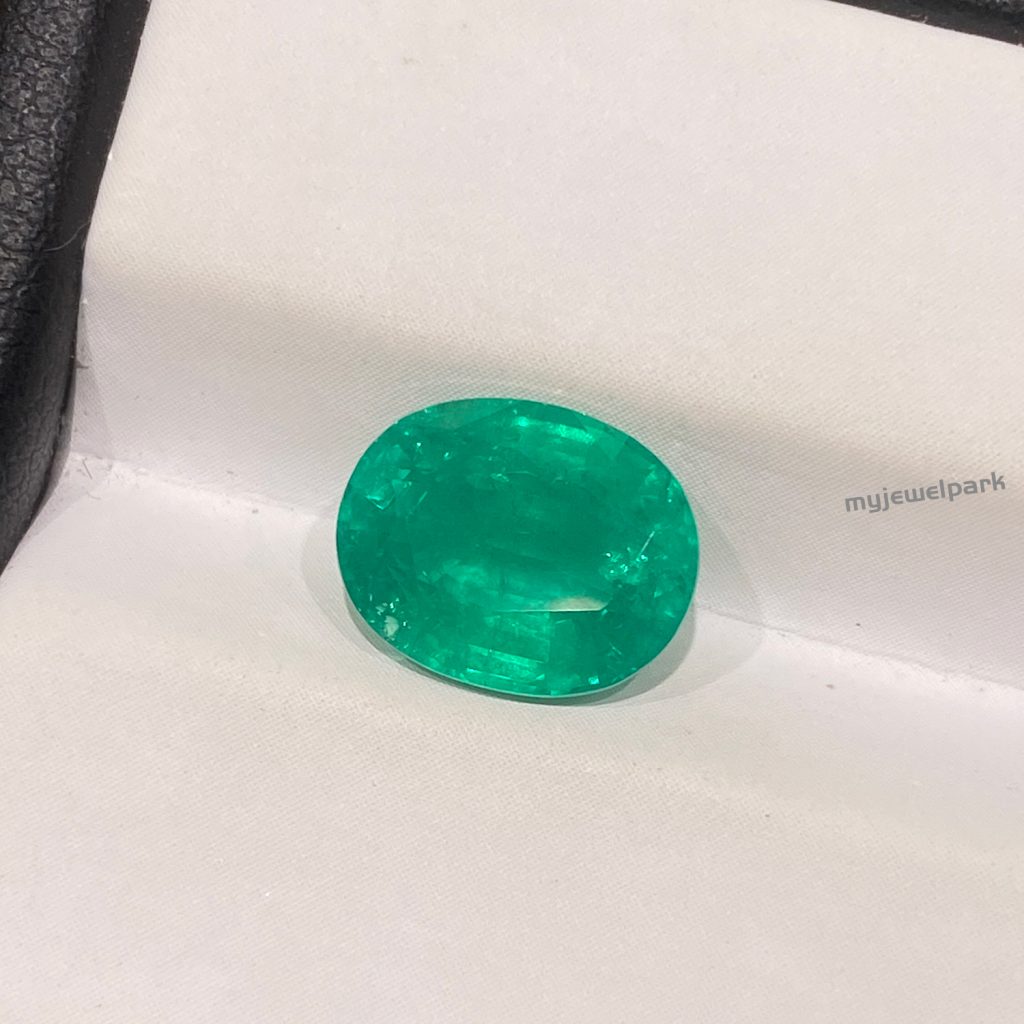
A common misconception is that lab-created emeralds will fade. However, high-quality hydrothermal emeralds, which are grown in lab-controlled environments that mimic nature’s conditions, maintain their vivid green hue indefinitely. Unlike emerald simulants (such as green glass or cubic zirconia), these synthetic gemstones do not contain dyes or unstable color treatments.
That being said, like any emerald, excessive exposure to heat, harsh chemicals, or prolonged direct sunlight can alter its appearance. Proper care—such as removing jewelry before using household cleaners or swimming in chlorinated pools—helps preserve its brilliance.
Why Lab-Grown Emeralds Are Taking Over the Jewelry Market
Lab-grown gemstones are not just a trend—they’re revolutionizing the industry. Here’s why more consumers are turning to sustainable gemstones:
1. Ethical & Eco-Friendly Alternative
Mining natural emeralds often involves environmental destruction and unethical labor practices. In contrast, lab-created emeralds are produced sustainably, reducing the ecological footprint. This makes them an attractive choice for those who value sustainable luxury.
2. Affordable Elegance
High-quality, natural emeralds with deep green tones and minimal inclusions are extremely rare and expensive. Lab-grown emeralds offer the same beauty and brilliance at a fraction of the price, making them accessible to a wider audience.
3. Advanced Technology Creates Realistic Inclusions
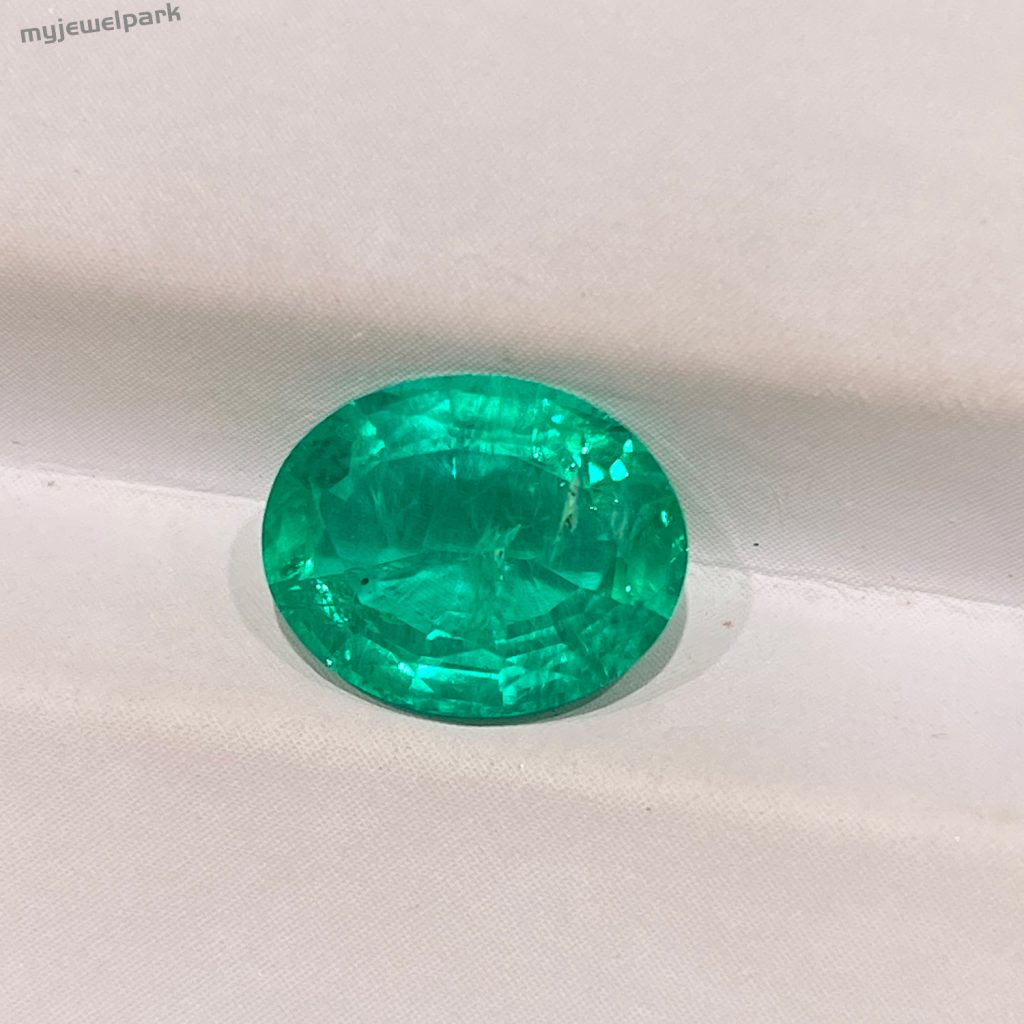
One of the most exciting breakthroughs in gemstone synthesis is the ability to create natural-like inclusions in lab-grown emeralds. Unlike older synthetic stones that appeared overly glassy, today’s cultured emeralds feature subtle inclusions and a soft, milky internal glow, making them nearly indistinguishable from mined emeralds.
Public Perception: Are Lab-Grown Gems Still Seen as “Fake”?
For years, the jewelry world was divided on synthetic gemstones. However, changing consumer mindsets are driving a major shift. According to a study by the International Gem Society (IGS), over 70% of buyers are now open to lab-created gemstones, especially when they offer the same quality as mined stones.
The psychological appeal of lab-grown jewelry is also growing. Many buyers see it as a smart, modern, and eco-conscious choice, rather than a compromise. Just like lab-grown diamonds, synthetic emeralds are becoming a status symbol of innovation and responsible luxury.
Thoughts
Lab-grown emeralds are durable, beautiful, and long-lasting when cared for properly. They do not scratched or fade any more easily than natural emeralds, making them a reliable choice for fine jewelry. As technology continues to advance and public perception shifts, lab-created gemstones are shaping the future of the jewelry industry.