Lab-Grown Sapphires vs. Simulated Sapphires – Don’t Get Tricked!
Sapphires have been cherished for centuries for their deep blue brilliance, durability, and symbolic meaning. But with the rise of artificial gemstones, many buyers struggle to distinguish between “lab-grown sapphires” and “simulated sapphires.” Knowing the difference can help you make a smart purchase and avoid paying a premium for an imitation.
Lab-Grown Sapphires: The Real Blue Sapphire
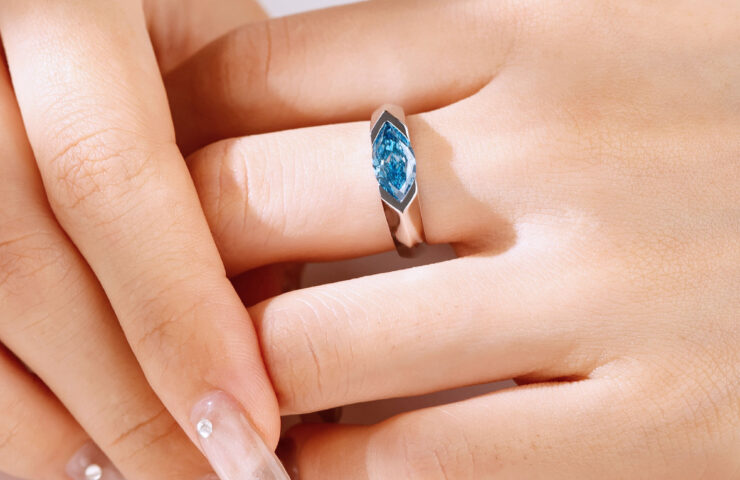
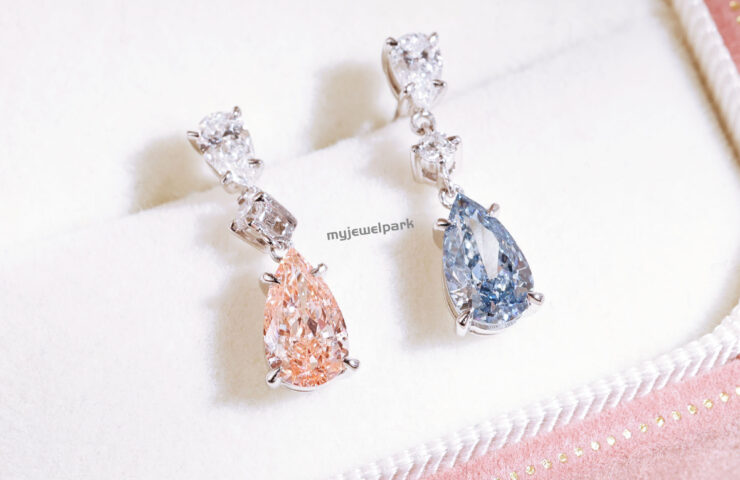
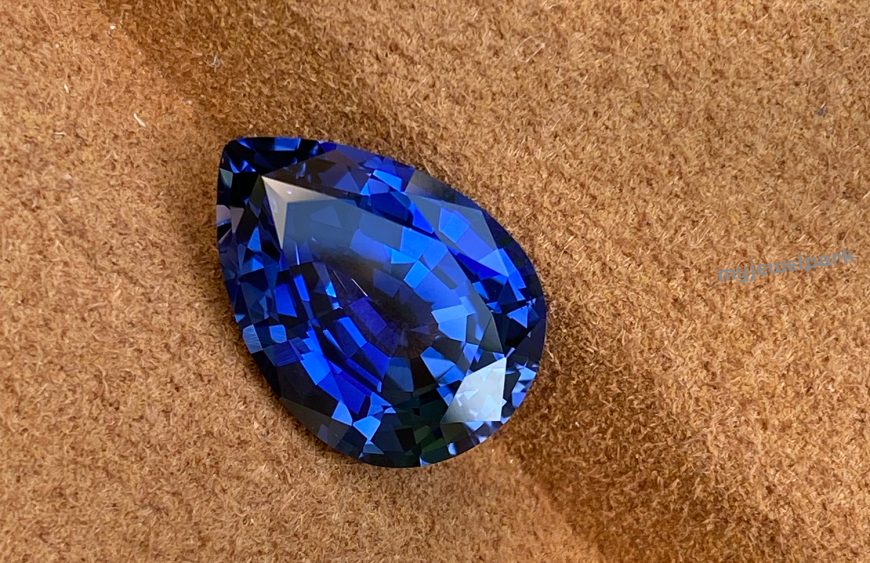
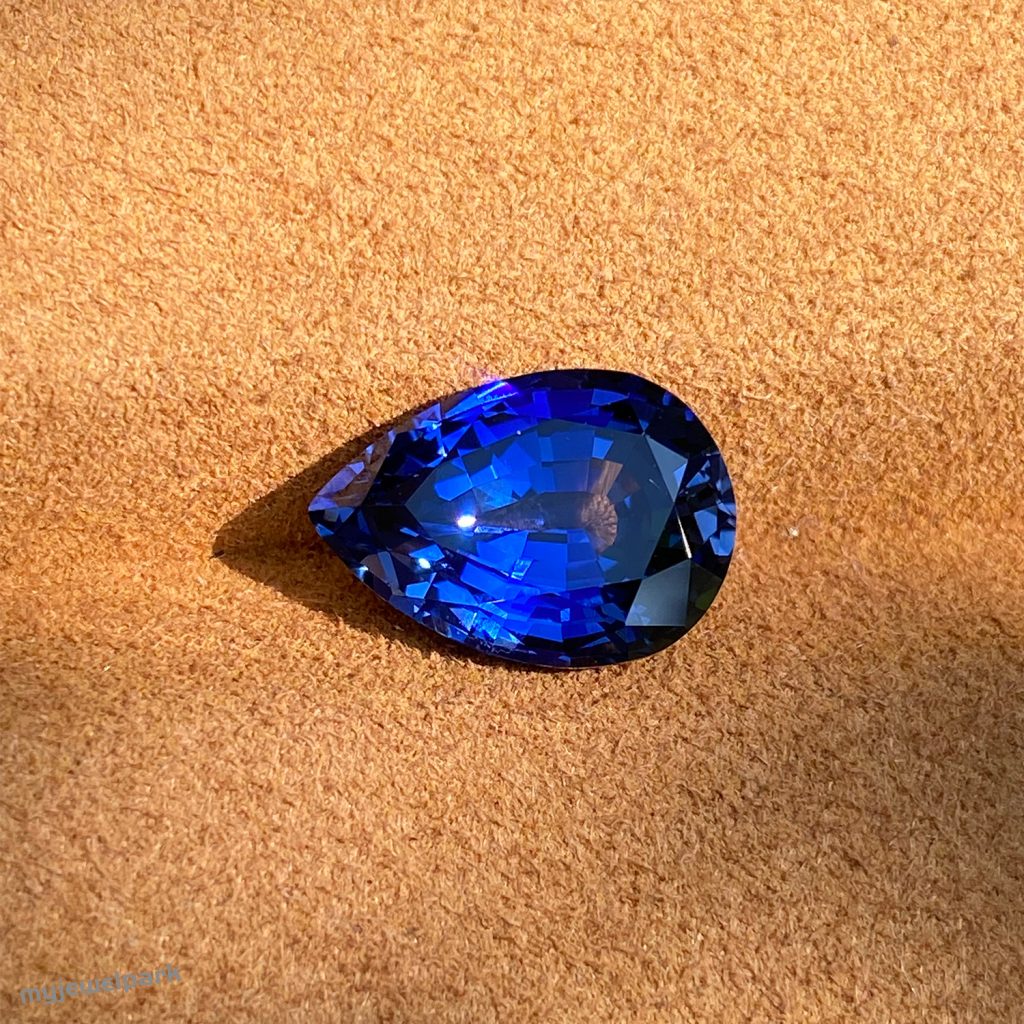
Lab-grown sapphires, also known as synthetic sapphires. are chemically, physically, and optically identical to natural sapphires. These gems are created using high-tech methods. For example, the Verneuil, Czochralski, or hydrothermal methods, all of which replicate the natural formation of sapphires in the Earth’s crust. Unlike older synthetic gems that looked too perfect, today’s lab-grown sapphires can exhibit natural inclusions. Minor imperfections found in natural sapphires can be mimicked, making them nearly impossible to tell apart without professional gemological examination.
A key advantage of lab-grown sapphires is their ethical and sustainable nature. Unlike mined sapphires, which are often extracted under harsh labor conditions and contribute to environmental destruction, lab-created sapphires are conflict-free and eco-friendly. As consumers become more conscious of ethical sourcing, the demand for lab-created gemstones continues to surge.
Simulated Sapphires: Imitation, Not the Real Deal
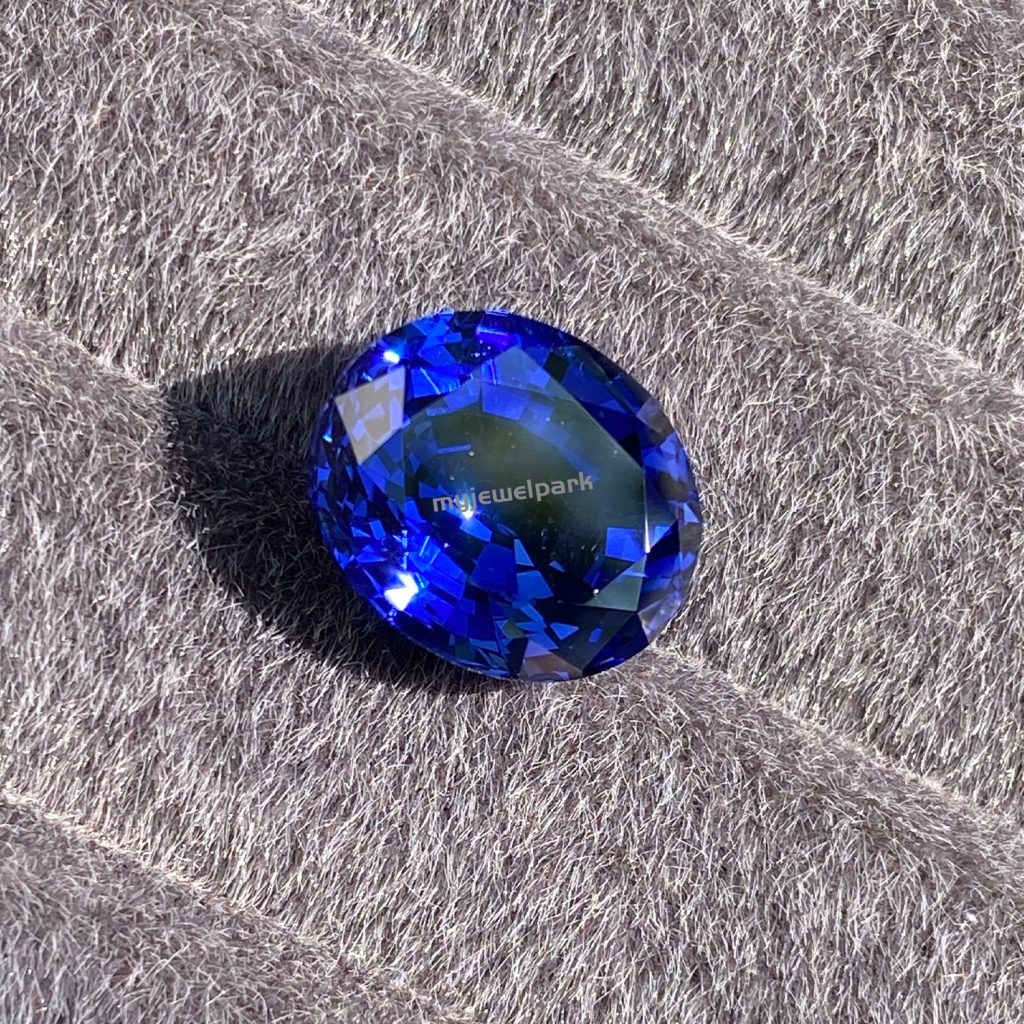
Simulated sapphires, on the other hand, are not sapphires at all. They are materials designed to look like sapphires but lack the same composition, hardness, and brilliance. Common simulants include blue glass, cubic zirconia, and synthetic spinel. While some high-quality simulants can closely resemble real sapphires at first glance, they do not possess the durability, refractive index, or value of genuine sapphires—whether natural or lab-grown.
Retailers sometimes use misleading terms like “sapphire-like” or “created sapphire” to make simulated stones seem more valuable than they are. To ensure authenticity, always look for gem certifications from reputable organizations like the Gemological Institute of America (GIA) or the International Gemological Institute (IGI).
Why People Love Wearing Lab-Grown Sapphires
Research shows that people experience the same emotional satisfaction from wearing lab-grown gemstones as they do from natural ones. A study by MVI Marketing found that over 70% of millennials are open to purchasing lab-created gemstones due to their affordability, ethical appeal, and sustainability. The idea of owning a stunning, high-quality sapphire at a fraction of the price of a mined one resonates with modern consumers who prioritize both aesthetics and responsible consumption.
Additionally, the perception of lab-grown gems is shifting. As celebrities and influencers embrace lab-created jewelry, the stigma around synthetic stones is fading. Wearers feel empowered knowing their jewelry choice aligns with contemporary values while still offering timeless beauty and prestige.
The Future of Fine Jewelry: Why Lab-Grown Sapphires Win
Lab-grown sapphires offer unparalleled brilliance, sustainability, and affordability. With technological advancements making them nearly indistinguishable from mined sapphires, there’s little reason to pay a premium for earth-mined stones when lab-grown options provide the same luxury experience.